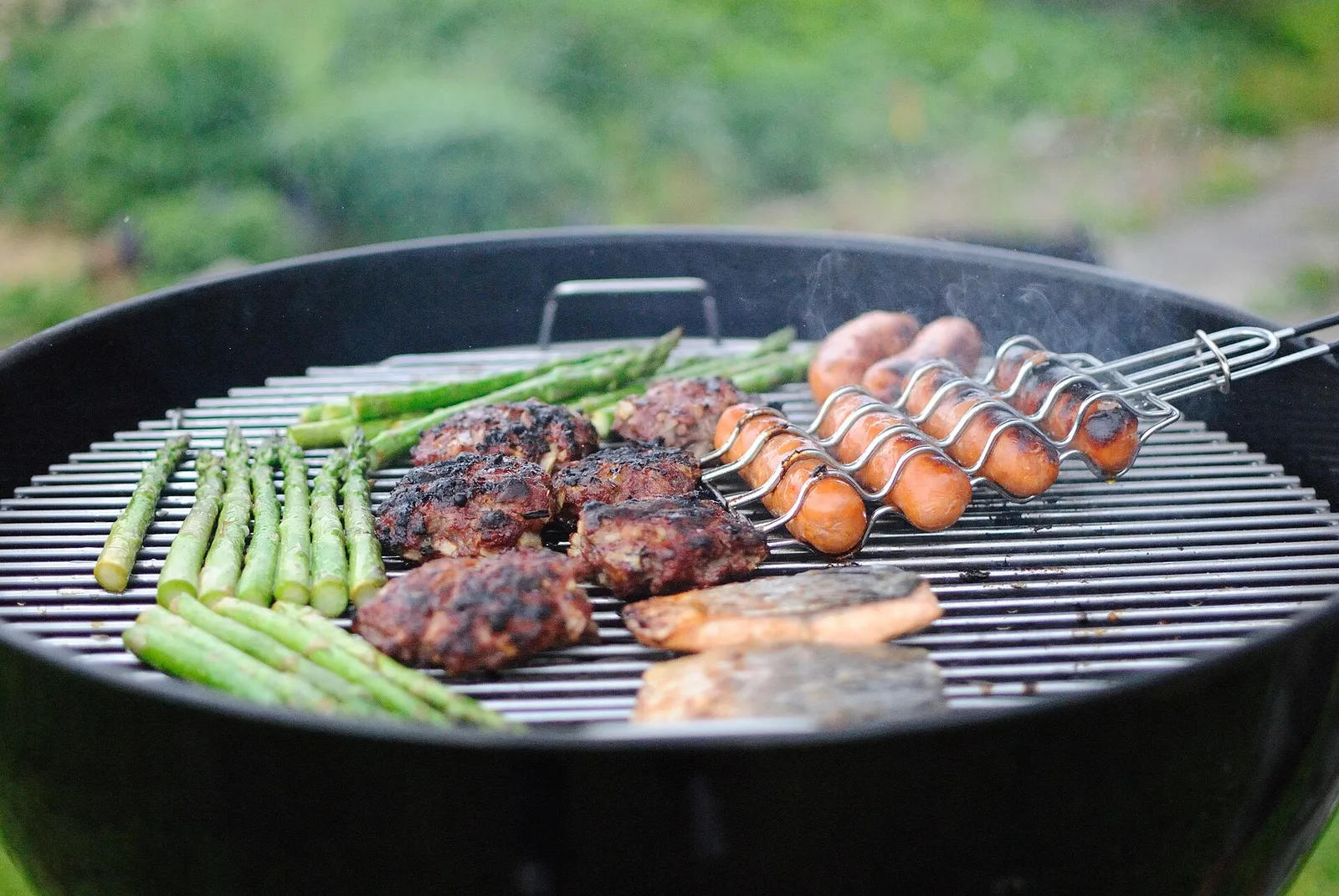
Every year the American Farm Bureau Federation prices out the same July Fourth cookout — burgers, chicken, buns, beans, lemonade, dessert for 10 — as a rough gauge of grocery inflation. This year, the bill is a record.
The 2026 cookout costs about $73.82, or roughly $7.38 a person, up about 4% from last year, the Farm Bureau found. That's the highest the survey has recorded — but there's an important asterisk, discussed below.
Beef is the story
The single biggest driver is beef. Two pounds of ground beef runs about $14.06, up 5.5% and the priciest in the survey's history, per the Farm Bureau. The reason isn't a mystery Boursel readers will recognize: the U.S. cattle herd has shrunk to roughly a 70-year low after years of drought and high costs, so beef supplies are tight and prices are elevated. A few other items rose too — strawberries jumped after a Florida frost, and canned beans and buns ticked up.
But some things got cheaper
It's not all up. Ingredients for potato salad fell sharply — around 18% — as egg and potato prices eased (the egg market has calmed as poultry flocks recovered from avian flu). Chips barely moved. That mix — beef up, sides down — is a reminder that "food inflation" is really lots of different markets moving in different directions.
The inflation asterisk
Here's the context that reframes the record. A dollar today buys less than it did, so a "record high" price is expected as prices generally rise. Adjusted for overall inflation, the cookout is essentially flat versus last year — and by some measures among the cheapest in about a decade. In other words, the barbecue got more expensive at roughly the same pace as everything else, not faster. That fits the broader data: food-at-home inflation — the cost of groceries you cook yourself — has been running around 2.7% over the past year, below the overall inflation rate of about 4.2%. (Food-at-home inflation excludes restaurants; it's the number that hits your grocery bill.)
Why it matters
For households, the practical takeaway is manageable: your cookout costs a bit more, driven mostly by beef, but grocery inflation overall has cooled from its post-pandemic peaks — a relief for budgets even as the sticker prices look high. For investors and policymakers, the cattle squeeze is a useful microcosm: it shows how supply shocks in a single commodity (here, a shrunken herd) can keep one category expensive even as broad inflation eases — exactly the kind of divergence that complicates reading the economy. And for anyone hosting this weekend, the honest summary is that the Fourth of July hasn't gotten dramatically pricier — it just feels that way, because beef is doing most of the work. Boursel gives no advice on where food prices head next; the point is that a $73.82 barbecue is, adjusted for inflation, about as affordable as it's been in years.