
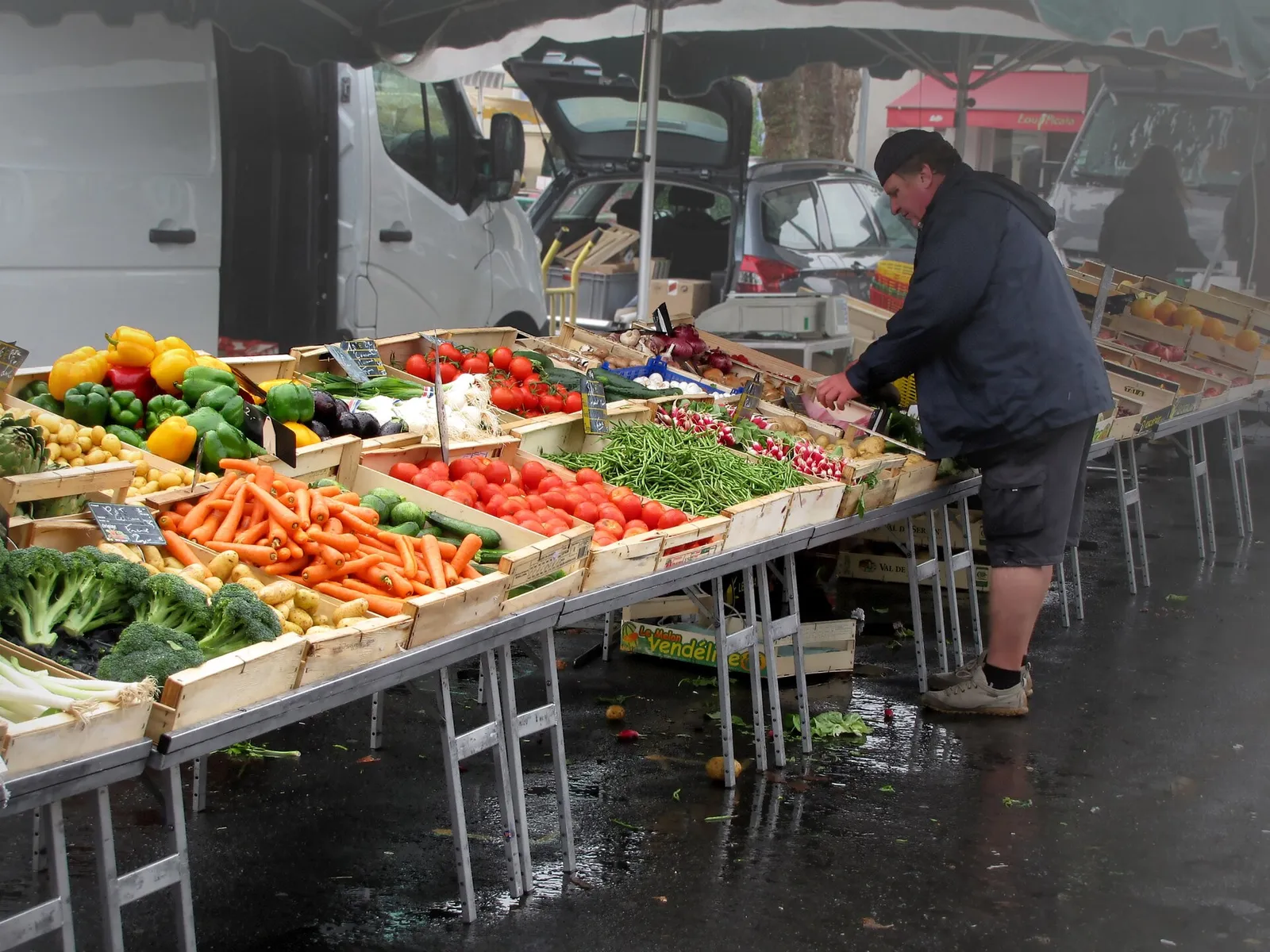
Fresh produce is where trade policy becomes visible fastest, and the past year in American grocery stores demonstrates why.
Tomato prices rose roughly one fifth in the twelve months to June 2026, and lettuce prices jumped about 32 percent over the same period, according to consumer price data from the US Bureau of Labor Statistics cited by the agricultural economist Elizabeth Canales, writing for The Conversation and republished by Fortune. All fresh vegetables were up about 10 percent, while fresh fruit rose more modestly, with apples up 7 percent and citrus 6 percent.
The tomato case is the clean one
Tomatoes are the example where a policy decision maps directly onto a price.
In June 2025 the US Commerce Department withdrew from the US-Mexico Tomato Suspension Agreement, a long-standing arrangement that gave Mexican tomatoes duty-free access in exchange for minimum price commitments. Ending it effectively imposed an antidumping duty of about 17 percent on most tomato imports.
The reason that lands on shelf prices rather than being absorbed somewhere is structural. Imports account for around three quarters of the US tomato supply, and Mexico supplies the overwhelming majority of those imports. A tariff on a good the country mostly buys from abroad, with no large domestic substitute available at short notice, has nowhere else to go.
There was a second effect on top of the duty itself. Mexican tomato production declined after the agreement ended and tomato imports fell 13 percent year over year, so a smaller supply met the same demand.
Why produce transmits faster than other goods
The general point is worth spelling out, because it explains why food shows up in inflation data before most other tariffed categories.
A manufacturer facing a new duty has options that take time to exhaust. It can draw down inventory built before the tariff, negotiate with suppliers, shift sourcing to another country, or absorb the cost in margin while it decides. Each of those buys months.
Fresh produce has none of them. It cannot be stockpiled, because it rots. It cannot be re-sourced quickly, because growing seasons are fixed and the alternative supplier has to already have the crop in the ground. And the window in which the US depends most heavily on imports is winter and early spring, precisely when domestic production is limited.
The rest of the aisle is not a tariff story
Here the analysis has to be careful, because it would be easy and wrong to attribute the whole produce aisle to trade policy.
The tomato duty applies to tomatoes. Lettuce rising 32 percent is a different and more crowded picture. Unusual freezes in Florida in early 2026 hit citrus, strawberries, blueberries, tomatoes and sweet corn, cutting yields. Labor shortages have pushed farm wages up for years. And two input costs have moved sharply for reasons that have nothing to do with agriculture at all.
Fertilizer is the first. Prices paid to manufacturers rose more than 20 percent year over year in June 2026, and nitrogen fertilizer specifically rose 46 percent, according to US government data, driven by disruption to flows through the Strait of Hormuz during the Iran conflict.
Transport is the second. Fuel prices rose roughly 27 percent over the year, and refrigerated truck rates, which matter more for produce than for almost any other category, were 20 percent higher in June 2026 than a year earlier, according to Department of Agriculture data.
Readers who followed our coverage of record refining margins will recognize the mechanism: a diesel shock does not stay in the energy aisle, it turns up in the price of anything that has to be driven somewhere cold.
There is also a separate lettuce-specific disruption underway in the form of a cyclospora outbreak that has triggered recalls, which affects supply independently of both tariffs and weather.
Who actually pays
Two details complicate the intuition that higher prices simply enrich farmers.
Producer costs account for only about a third of the retail price of fresh produce, so increases at the farm gate are not passed through one for one to the shopper, and conversely a large retail increase does not imply a large farm gain. Growers also have little control over the prices they receive, which are set by supply and demand including imports.
The distributional effect is the part that matters most. Food inflation takes a larger share of low-income household budgets, and when produce becomes expensive the substitution is usually toward cheaper, less fresh calories. That is the real cost of a produce price shock, and it does not show up in the headline inflation number.