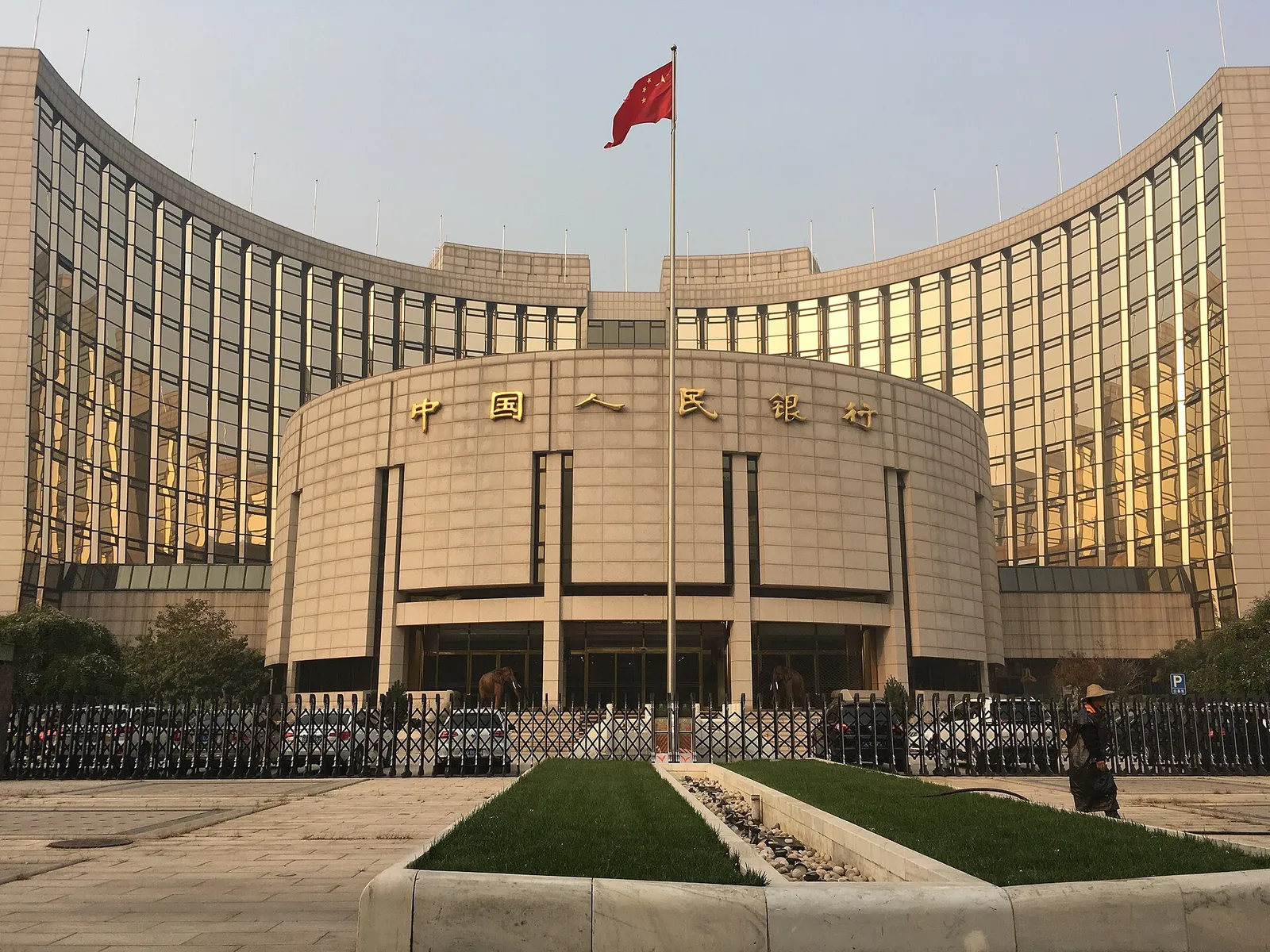
China's central bank chose stillness again. The one-year loan prime rate stayed at 3.0% and the five-year rate at 3.5% in August, the 15th consecutive month both benchmarks have been left untouched. The decision surprised no one: all 25 market participants surveyed ahead of the fixing expected a hold.
The loan prime rate, or LPR, is the benchmark most Chinese loans price off. It is set monthly from rates submitted by major banks, and the People's Bank of China steers it as a signal of policy. The one-year rate guides corporate and household lending; the five-year rate is the reference for mortgages, which makes it the number China's struggling property sector watches most closely.
Why hold when the economy is soft
The case for cutting looks obvious from the data. Retail sales grew just 0.6% year over year in July, well short of forecasts, extending a slowdown in the consumer spending Beijing has said it wants to revive. New yuan loans posted a record contraction in July, with household credit demand notably weak, a sign that cheap money is not the binding constraint when confidence is low.
The case for holding is about the banks. Chinese lenders' net interest margins sit near record lows, and each cut to lending benchmarks squeezes them further unless deposit rates fall in step. "Record-low level of banks' net interest margins limits the room for further rate cuts," analysts at Barclays noted. Policymakers have also shown a preference for accelerating fiscal spending on already-budgeted infrastructure projects over broad monetary easing, and a firmer yuan has reduced the urgency to act.
The deeper problem is demand
A rate that nobody wants to borrow at is a weak policy lever. July's record loan contraction suggests China's problem is less the price of credit than the appetite for it: households scarred by the property downturn are saving rather than borrowing, and businesses facing weak consumer demand see little reason to expand. That is why economists increasingly expect Beijing's next moves to come through fiscal channels and targeted programs, with cuts to banks' reserve requirements more likely than another trim to the LPR in the near term.
Why it matters beyond China
China is the world's second-largest economy and its largest consumer of most commodities, so the pace of its recovery feeds directly into global demand for energy, metals and industrial goods. A central bank holding fire for 15 months, not because the economy is strong but because its main tool is losing traction, tells global investors to expect China's stimulus, when it comes, in less familiar forms: budget deficits, consumption vouchers and targeted credit rather than headline rate cuts.