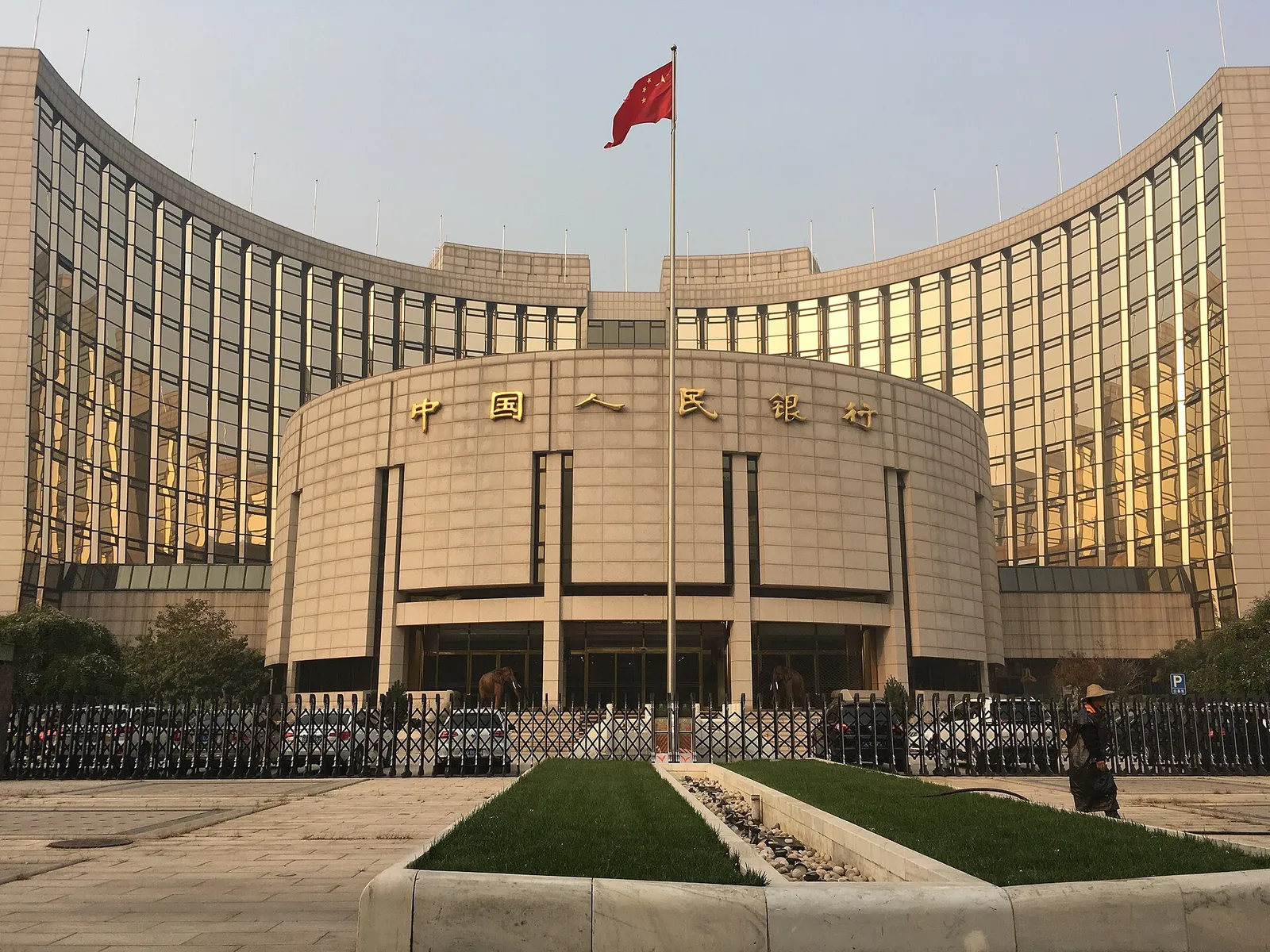
The Shenzhen Intermediate People's Court sentenced Hui Ka Yan, the 67-year-old founder of China Evergrande Group, to life in prison on Thursday, convicting him and the company of large-scale financial fraud for inflating the group's assets and concealing its liabilities. Hui, also known by his Mandarin name Xu Jiayin, was deprived of his political rights for life, and the court ordered his personal property confiscated.
The penalties extended well beyond one man. Evergrande and its main real-estate subsidiary were fined a combined $2.3 billion. Hui's sons, Xu Tenghe and Xu Zhijian, were sentenced alongside senior executives, and more than 50 people connected to the group received prison terms ranging from 22 months to 18 years on charges including fundraising fraud, illegally taking public deposits and the illegal use of funds.
The scale of what collapsed
Evergrande failed in 2021 with more than $300 billion of liabilities, after Beijing's "three red lines" borrowing limits cut off the debt that had funded its expansion. A Hong Kong court ordered the company liquidated in January 2024, and its shares were removed from the Hong Kong exchange in 2025.
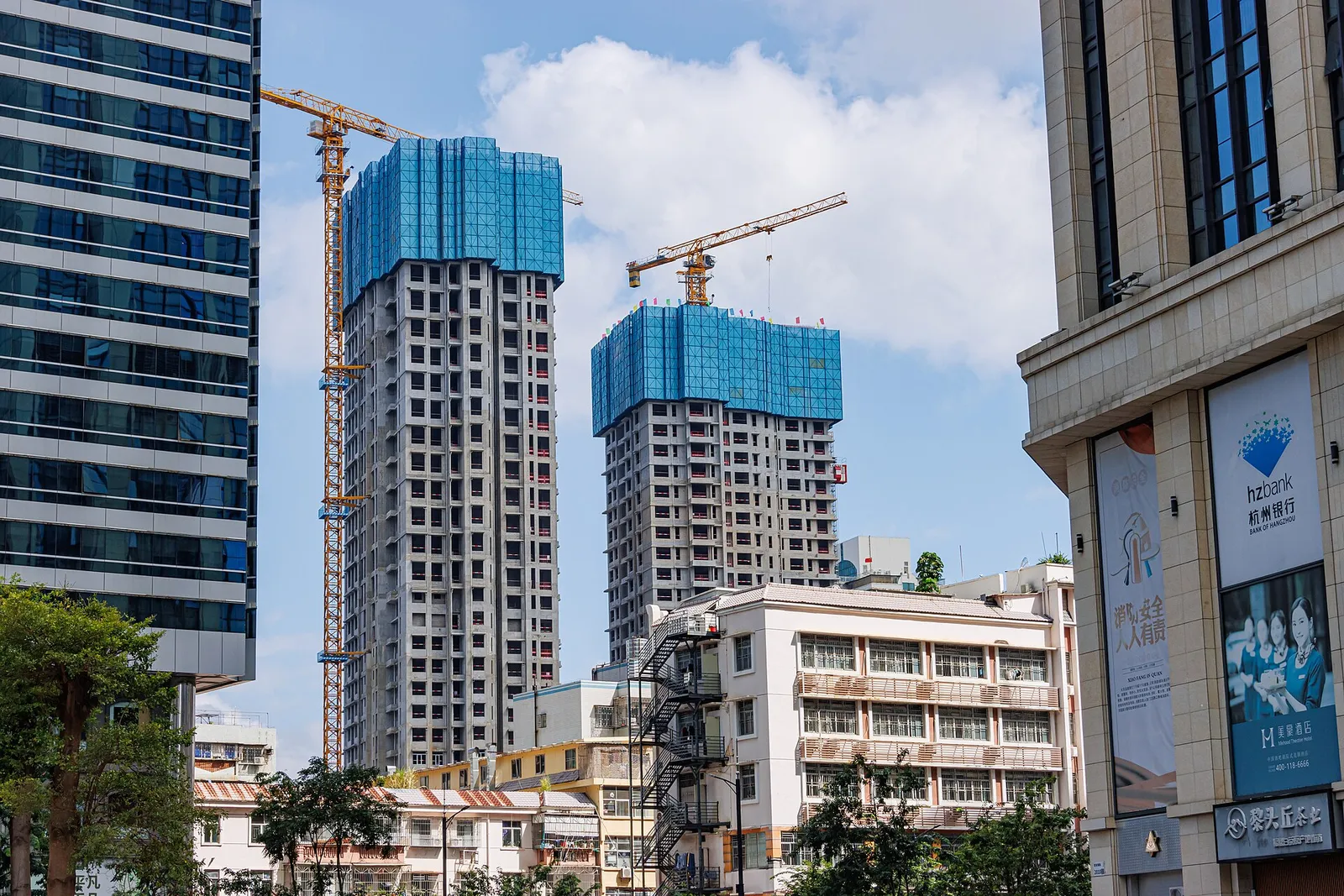
The number that matters most to households is not the debt total but the pre-sales. Chinese developers sell apartments before building them and use the deposits to fund construction. When Evergrande's cash stopped circulating, buyers who had already paid were left holding claims on unfinished buildings. Nomura put the backlog at around 20 million unfinished units nationwide from Evergrande and other failed developers, with a completion funding gap of roughly $446 billion. Those estimates date from late 2023, and the shortfall has not been closed since.
What creditors can expect
Very little, and slowly. Evergrande's offshore creditors, largely foreign bondholders, are owed billions, but the liquidation is being run out of Hong Kong while most of the assets sit on the mainland, under a separate legal system that is not obliged to enforce a Hong Kong order. Chinese authorities have consistently prioritised home buyers, suppliers and domestic banks in these restructurings. Offshore bondholders sit behind all of them.
That ordering is a policy choice rather than an accident, and it is the practical lesson for anyone holding Chinese corporate credit: the recovery you model should assume the mainland's priorities, not the ones written into the bond documents.
Why a criminal verdict is not a resolution
Assigning individual blame is the part of a financial crisis that governments find easiest. Hui's conviction gives the collapse a face and a punishment, and it signals to other developers that concealing liabilities carries a personal cost.
It does not address the underlying condition. Property and related industries drove roughly a quarter of Chinese economic output at the peak, and the sector's contraction continues to weigh on construction employment, local-government land revenue, steel and cement demand, and household wealth, since the family home is where most Chinese savings sit. Prosecuting the borrower does not restore the market's willingness to buy.
For investors outside China, the transmission runs through commodities and through consumer demand: less construction means less iron ore and copper, and households nursing losses on their main asset spend less on everything else. That has been the story for five years, and Thursday's verdict, however emphatic, does not change it.