The rules of the American road were written for human drivers. U.S. regulators are now moving to rewrite them for cars that have no driver at all.
What was proposed
The National Highway Traffic Safety Administration (NHTSA) — the federal agency that sets vehicle safety standards — proposed a rule on June 25 that would lift the long-standing requirement for manual driving controls, such as steering wheels and brake pedals, in vehicles designed to be run solely by an automated driving system, TechCrunch reported. The proposal opens a public comment period before any final rule.
Today's Federal Motor Vehicle Safety Standards assume a person is driving, so they mandate human-operable controls. Companies that want to put fully driverless, purpose-built vehicles on the road have had to seek case-by-case exemptions under a process known as "Part 555," which caps each manufacturer at 2,500 non-compliant vehicles a year, as Autoblog and other outlets have reported. Removing the underlying requirement would clear that bottleneck.
Why it helps Tesla and other AV makers
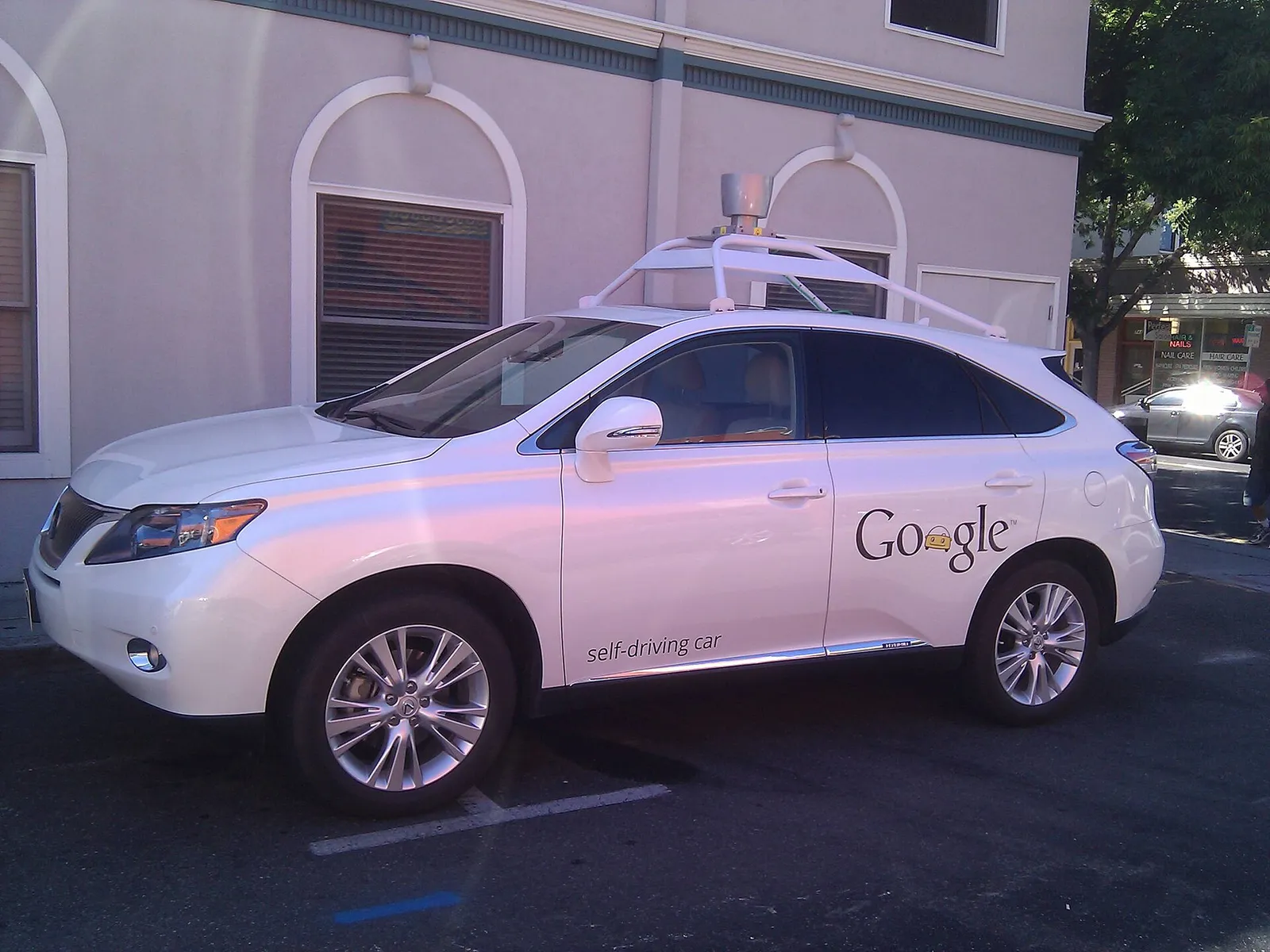
The change matters most to companies building vehicles from scratch with no provision for a human driver. Tesla's planned "Cybercab" — a two-seat robotaxi with no steering wheel or pedals — is the clearest example; the company has begun a limited, closely supervised robotaxi service in Austin and has said a wider rollout depends on regulatory clearance for a vehicle that doesn't meet today's standards. Amazon-owned Zoox, which builds a bidirectional robotaxi without manual controls, has navigated the same exemption process. Alphabet's Waymo, the largest U.S. robotaxi operator, uses retrofitted ordinary cars that keep their wheels and pedals, so it already complies — but the rule change would ease its path to purpose-built vehicles too.
The safety pushback
Safety groups warn the move strips away protections before driverless technology has been proven at scale. Cathy Chase, president of Advocates for Highway and Auto Safety, said expanding deployment without the safety standards "seems premature" and is not backed by sufficient independent research and data, per TechCrunch. The standards being waived were built over decades on crash data; critics argue that setting them aside for software-driven vehicles assumes a level of reliability not yet demonstrated across large, varied fleets. NHTSA says it will hold developers accountable for how their systems perform, though the proposal does not spell out which metrics would replace the rules being removed.
What it means
For the autonomous-vehicle industry, the proposal is the strongest signal yet that Washington intends to make room for cars without human controls — leveling the field between Waymo's compliant retrofits and the ground-up designs of Tesla and Zoox, and signaling that U.S. AV leadership is a policy priority. For Tesla specifically, it removes a regulatory hurdle that has stood between the Cybercab and a commercial rollout chief executive Elon Musk has repeatedly described as near.
The proposal is not final. It must clear a comment period, during which safety advocates and other critics can put objections on the record, and could be revised before any rule takes effect — so the timeline for pedal-free cars on American streets still depends on how the rulemaking plays out.