The United States has carried out fresh strikes on Iran after President Trump accused Tehran of attacking commercial ships in the Strait of Hormuz, reigniting a confrontation that markets had hoped a recent ceasefire would end.
What happened
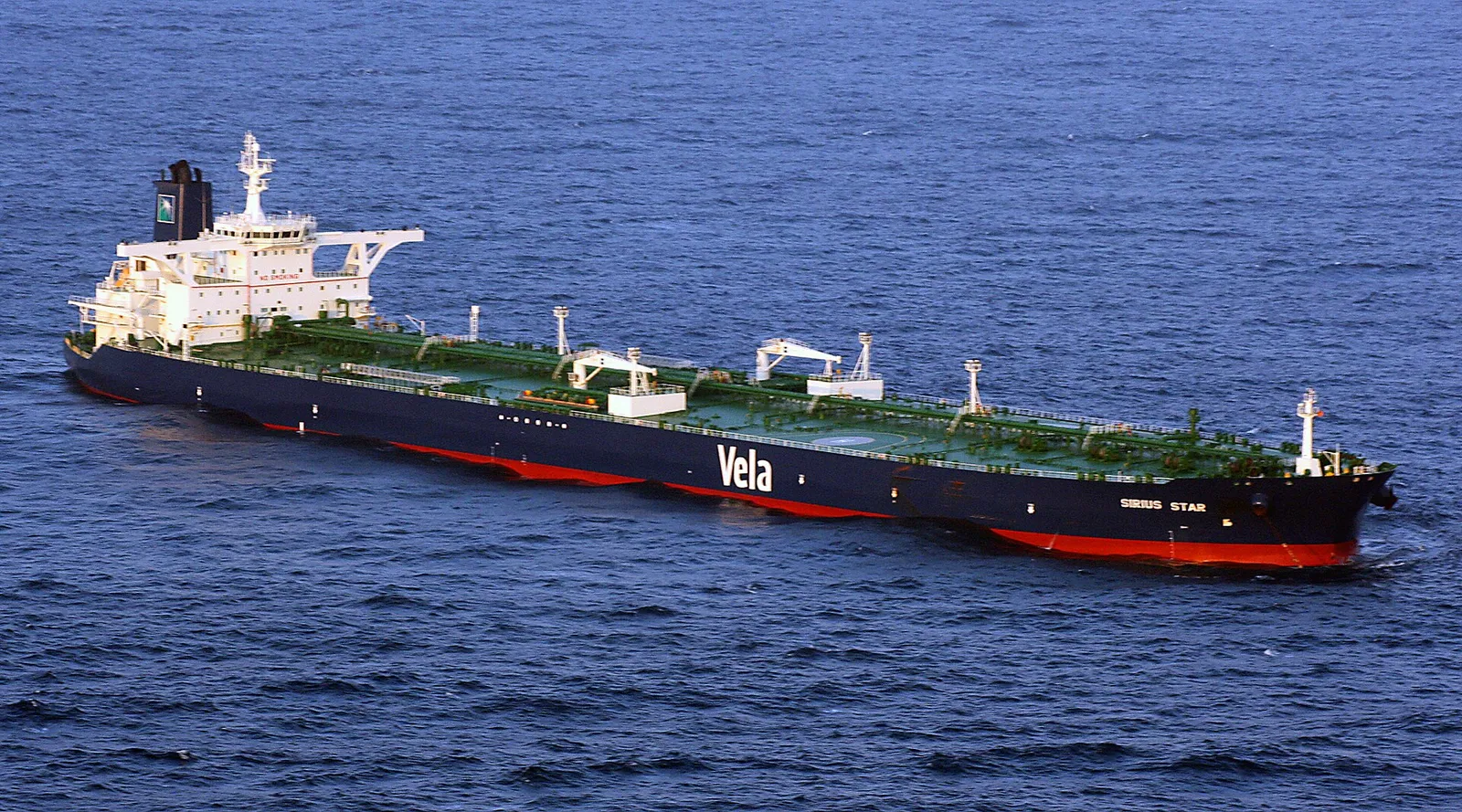
In a social-media statement, Trump said Iran "shot at least four One Way Attack Drones at Ships transversing the Strait of Hormuz," and that "one of the Drones solidly hit the upper deck of a large and very expensive Cargo Carrying Ship," as reported by Investing.com. Two vessels were hit — the Singapore-flagged container ship Ever Lovely and the tanker Kiku. He called the attack a violation of a ceasefire agreement reached weeks earlier.
In response, U.S. Central Command (CENTCOM) said it "launched strikes today in direct response to continued Iranian aggression against commercial shipping," hitting Iranian missile and drone storage facilities and coastal radar sites, per Al Jazeera. Iran's Revolutionary Guard, which did not deny the drone attacks, accused Washington of breaking the truce first and warned of a "harsh response." Casualty details and the full extent of damage on both sides could not be independently confirmed.
Why the Strait of Hormuz moves markets
The Strait of Hormuz is the world's most important oil chokepoint: roughly 20% of the world's oil — about 17 million barrels a day — is shipped through the narrow channel between Iran and Oman. Because so much crude depends on safe passage there, any threat to shipping pushes traders to price in the risk of a supply disruption, and oil futures react within minutes.
Two benchmarks set the global price. Brent crude, priced in London, reflects seaborne international supply and is the one most sensitive to Gulf tension. West Texas Intermediate (WTI) is the U.S. benchmark. When the Gulf looks dangerous, both tend to rise.
The market reaction
This time, the move was not the spike one might expect — because prices had been falling going in. Both benchmarks ended the week lower as traders bet the ceasefire would hold and shipping through Hormuz would keep recovering: Brent settled around $72.60 a barrel, down 3.84% on the week, and WTI around $69.23, down 3.74%, according to Investing.com. The drone attacks and U.S. strikes interrupted that optimism rather than reversing it outright, leaving crude lower on the week but newly exposed to headline risk. With U.S. markets closed for the weekend, the fuller reaction in equities and futures will land when trading resumes.
What's at stake
The episode shows how fragile the calm is. Earlier in the year, fighting around Hormuz drove Brent sharply higher and stranded ships in the Gulf, and war-risk insurance for tankers transiting the strait jumped. A durable ceasefire had begun to coax vessels back and pull prices down. A sustained re-escalation would threaten that recovery and risk pushing crude back up — feeding through to fuel costs and inflation in oil-importing economies across Asia and Europe.
For now, the signals are mixed: oil lower on the week, but a shooting confrontation back in the world's key oil corridor. Markets will be watching whether this was a one-off exchange or the unraveling of the truce. We present the confirmed facts and the market data; how the conflict develops from here is genuinely uncertain.