The human toll of Venezuela's earthquakes is still being counted. The financial toll is now coming into focus — and it points to a painful truth about who pays when disaster strikes a poor, underinsured country.
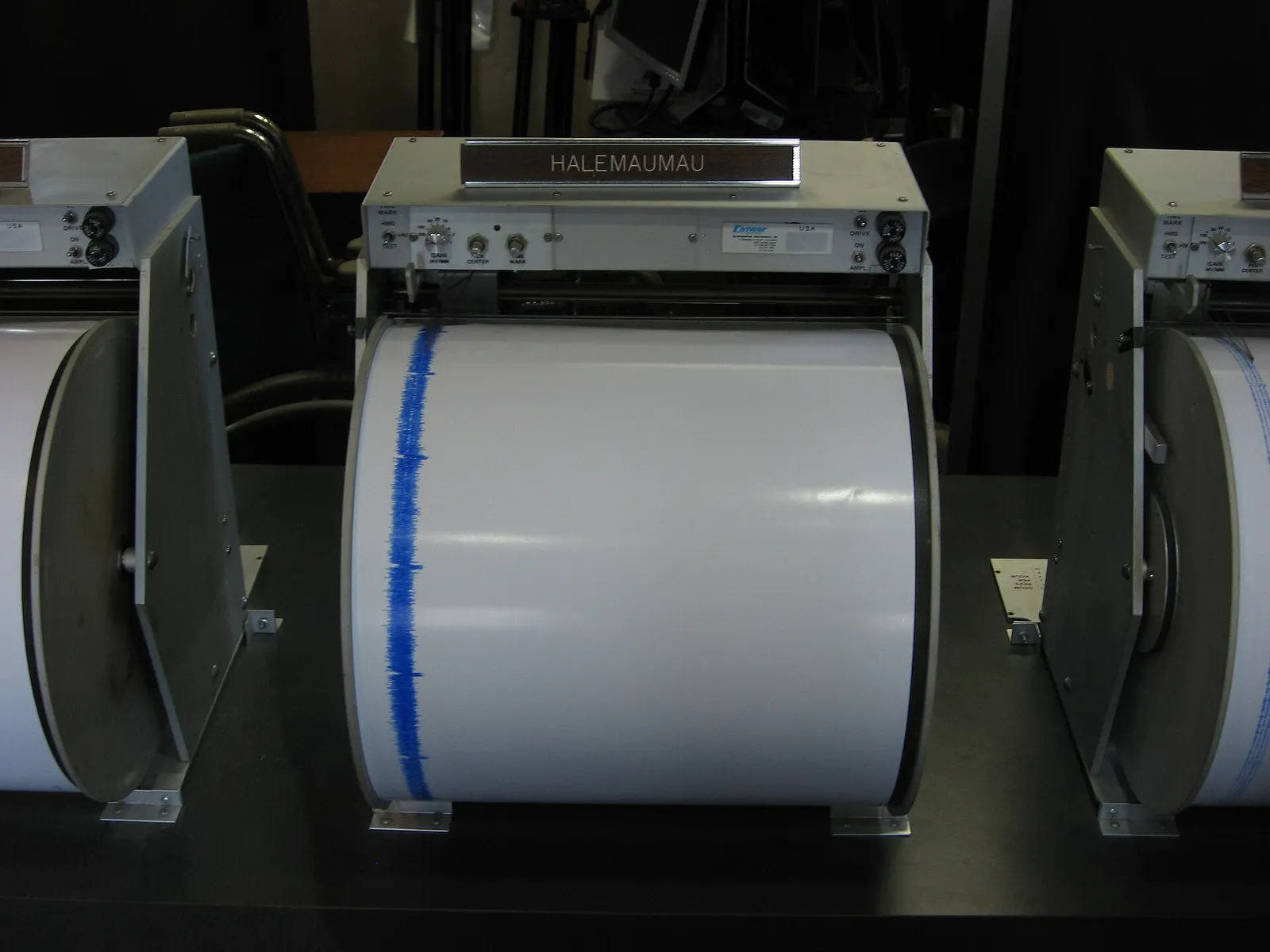
Risk-modeling firm Verisk estimates that economic losses from the twin quakes that hit Venezuela on June 24 will exceed $10 billion. The United Nations Development Programme has separately put direct physical damage in the range of $4.7 billion to $8.7 billion, equivalent to several percent of Venezuela's GDP. Venezuelan authorities have reported more than 1,700 deaths and many thousands missing, figures still being updated; it was among the strongest earthquakes to hit the country in over a century.
Economic loss vs. insured loss
The crucial distinction in a disaster like this is between economic loss and insured loss. Economic loss is the full cost to society — collapsed homes, ruined roads and hospitals, lost business. Insured loss is only the slice that insurance companies will actually pay out. In wealthy, well-insured places, insurers and global reinsurers absorb a large share of a catastrophe, spreading the cost across the world's financial system. In Venezuela, they will absorb very little.
That's because the country has extremely low insurance penetration: earthquake coverage is thin and concentrated in commercial property around Caracas, while most homes are uninsured. Verisk itself flagged unusual uncertainty about how much of the loss is insured — because so little of it is. (Insurance penetration is how much insurance a country buys relative to the size of its economy; catastrophe models, like Verisk's, estimate disaster losses using data on faults, buildings and populations.)
The "protection gap"
The result is what the insurance industry calls the protection gap — the difference between total economic losses and the portion that's insured. When the gap is small, a disaster is a financial event shared broadly. When it's large, as here, the disaster becomes a fiscal and humanitarian crisis: rebuilding falls on families who have lost everything and on a government whose finances are already severely strained. There is no insurance check to rebuild a home; there is only savings, aid and the state.
This pattern is common across much of the developing world, where fast-growing exposure to earthquakes, floods and storms far outpaces insurance coverage. It's a reason global bodies push for tools like parametric insurance and disaster-risk pools that pay out quickly after a defined event — mechanisms designed precisely to shrink the gap.
Why it matters
For Venezuela, the message is grim: a $10-billion-plus blow to an economy already in deep difficulty, with little of it cushioned by insurance, meaning a slow and painful recovery financed mostly at home. For the insurance and reinsurance industry, the event is a reminder that the biggest human catastrophes are often the ones the industry is least exposed to — and a data point in the long argument for closing the protection gap in vulnerable regions. And for the global economy, it underscores how unevenly the world is shielded from disaster: the same earthquake would produce a very different financial aftermath in a country where homes are insured. Boursel extends no view beyond the facts; the takeaway is that when a major quake hits a place with almost no coverage, the loss doesn't get shared — it lands, in full, on the people least able to bear it.