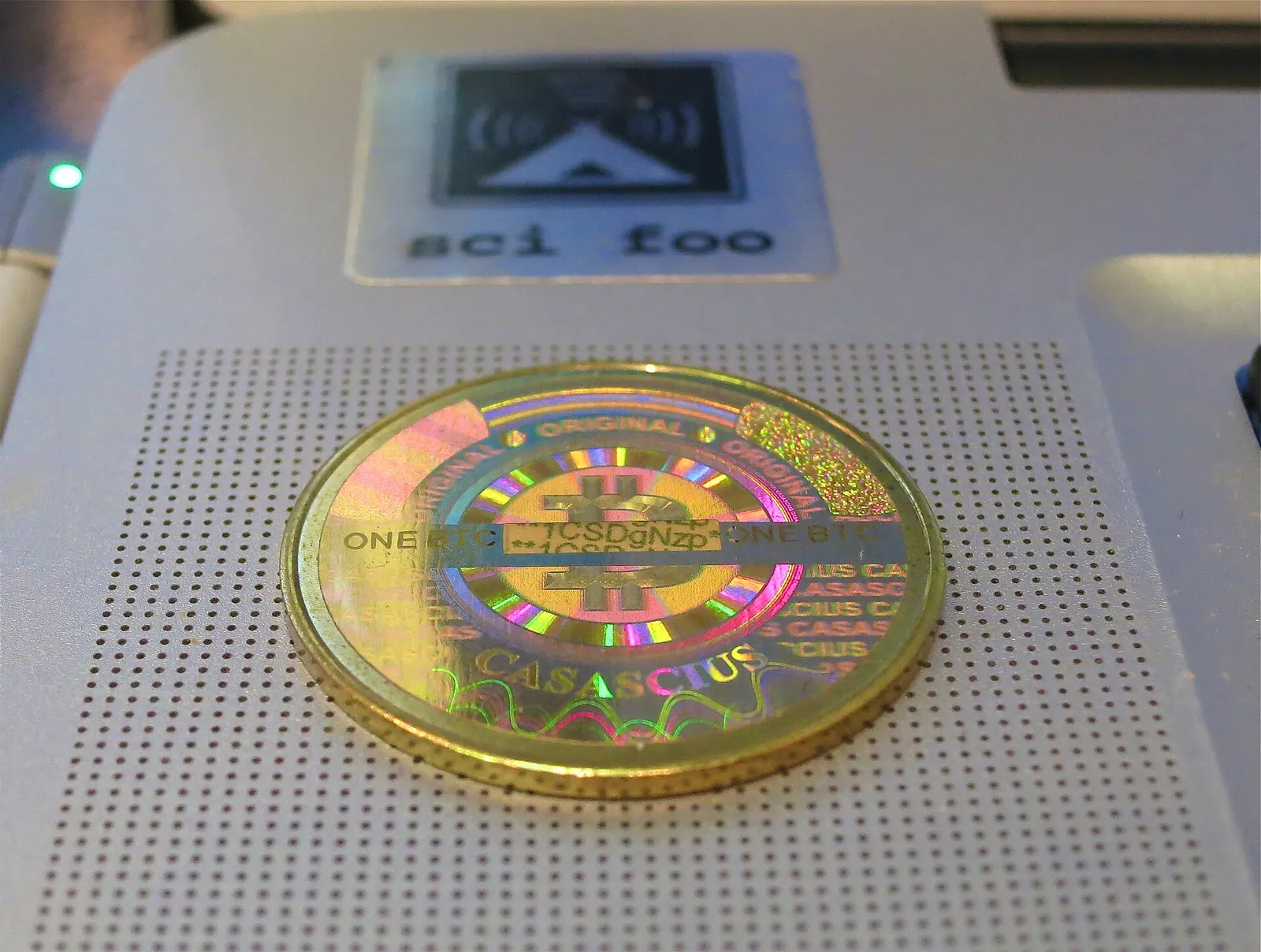
One of crypto's most popular recent products — the stablecoin that pays you to hold it — is losing steam.
The supply of yield-bearing stablecoins fell by about $3.5 billion in the second quarter, a roughly 15% decline that ended nearly three years of quarterly growth, Cointelegraph reported. Two of the biggest, Ethena's sUSDe and Sky's sUSDS, led the drop, with sUSDe shedding around half its supply.
What a yield-bearing stablecoin is
A stablecoin is a crypto token designed to hold a fixed value, usually pegged one-to-one to the U.S. dollar. The largest — Tether's USDT and Circle's USDC — are mainly used to move money on blockchains and don't pay holders anything; the issuer keeps the interest earned on the reserves.
A yield-bearing stablecoin flips that: it passes a return to holders, functioning more like a money-market fund on a blockchain. The yield comes from things like short-term Treasuries or crypto-lending and staking strategies. During a stretch of high interest rates and rich crypto yields, these products boomed, offering returns that dwarfed an ordinary bank account. (In plain terms: a normal stablecoin is digital cash; a yield-bearing one is digital cash that pays interest — with more strategy, and more risk, behind it.)
Why the pullback
Several forces are pressing at once, per Cointelegraph and the broader market:
- Yields have compressed. As the extraordinary returns in crypto lending normalized, the payouts that made these products so attractive shrank, and some of the money left.
- Regulation discourages it. The U.S. GENIUS Act — the new federal framework for stablecoins — restricts issuers from paying interest to holders, treating that more like a bank deposit. Europe's MiCA rules and other regimes have also tightened scrutiny of interest-bearing crypto. That legal pressure makes the yield-bearing model harder to run at scale, a thread Boursel has followed across global crypto regulation.
- Traditional finance is competing. Established players are launching their own tokenized, dollar-based products with familiar regulatory backing — from asset managers' tokenized funds to bank-issued euro stablecoins like Crédit Agricole's EURXT. That gives cautious money a regulated alternative to crypto-native yields.
The weakness isn't limited to yield products: Cointelegraph reported the total stablecoin supply also slipped in the quarter, its first contraction in about two years, alongside a drop in transaction activity.
Why it matters
For crypto, the reversal suggests the easy money in "yield" has thinned: a business built on the gap between crypto returns and traditional rates gets squeezed when that gap narrows and regulators lean against it. For the stablecoin race, it marks a shift in advantage toward regulated, institution-backed issuers and away from higher-yielding, crypto-native experiments — reinforcing the theme that the sector is maturing under supervision (the GENIUS Act, MiCA, and bank entrants). And for users, it's a reminder that a stablecoin promising an eye-catching yield is not the same as a plain one: the return comes from somewhere, and both markets and rules can change fast. Boursel gives no investment advice; the takeaway is that the interest-paying stablecoin, one of crypto's hotter ideas, is being reshaped by exactly the forces — rates and regulation — that govern the rest of finance.