The Office of Foreign Assets Control has issued five sectoral determinations under Executive Order 13902, covering digital assets, technology, gold, aviation and shipping. The digital assets determination means OFAC can designate any foreign person anywhere in the world operating in, or providing services to, Iran's digital asset sector, a power previously limited to Iran's financial and petroleum industries.
Those are the same five sectors we reported on Monday evening as having been put on notice. The determination is what that notice consists of in law.
What a sectoral determination actually does
It does not sanction anyone. It creates the authority to sanction anyone.
Under this structure the executive order lists sectors of the Iranian economy, and the Treasury then determines that a given sector qualifies. Once determined, any foreign person operating in that sector becomes designatable at OFAC's discretion, without a further finding about that specific person's conduct beyond their participation.
The practical consequence lands on compliance departments rather than on Tehran. An exchange, custodian, payment processor or market maker anywhere in the world now has to ask whether any counterparty operates in Iran's digital asset sector, because the answer determines whether dealing with them creates exposure. That question was previously narrower and is now open-ended.
This is also the answer to what we said on Monday to watch, which was whether the sectors moved from notice to something enforceable. They have, within about thirty-six hours.
The two names, and what they show
Ivan Obukhov, a Ukrainian national based in the UAE, is accused of processing over $100 million in cryptocurrency payments since 2023 for the IRGC's Qods Force to facilitate oil sales. His company, Foscom FZE, was designated alongside him.
Arman Kahzadian is described as a cyber actor directed by Iran's Ministry of Intelligence and Security and focused on digital asset heists, who took control of a wallet holding over $30,000 in bitcoin in the summer of 2023.
The gap between those two figures is instructive. One is a payments channel measured in nine figures; the other is a theft measured in five. Sanctions announcements routinely present both under the same heading, and a reader should separate them: the first is infrastructure for evading oil sanctions, the second is crime.
Treasury's framing is that the regime "increasingly turns to cryptocurrency as a tool of choice for sanctions evasion," with transactions linked to the IRGC and regime insiders.
The Hormuz detail
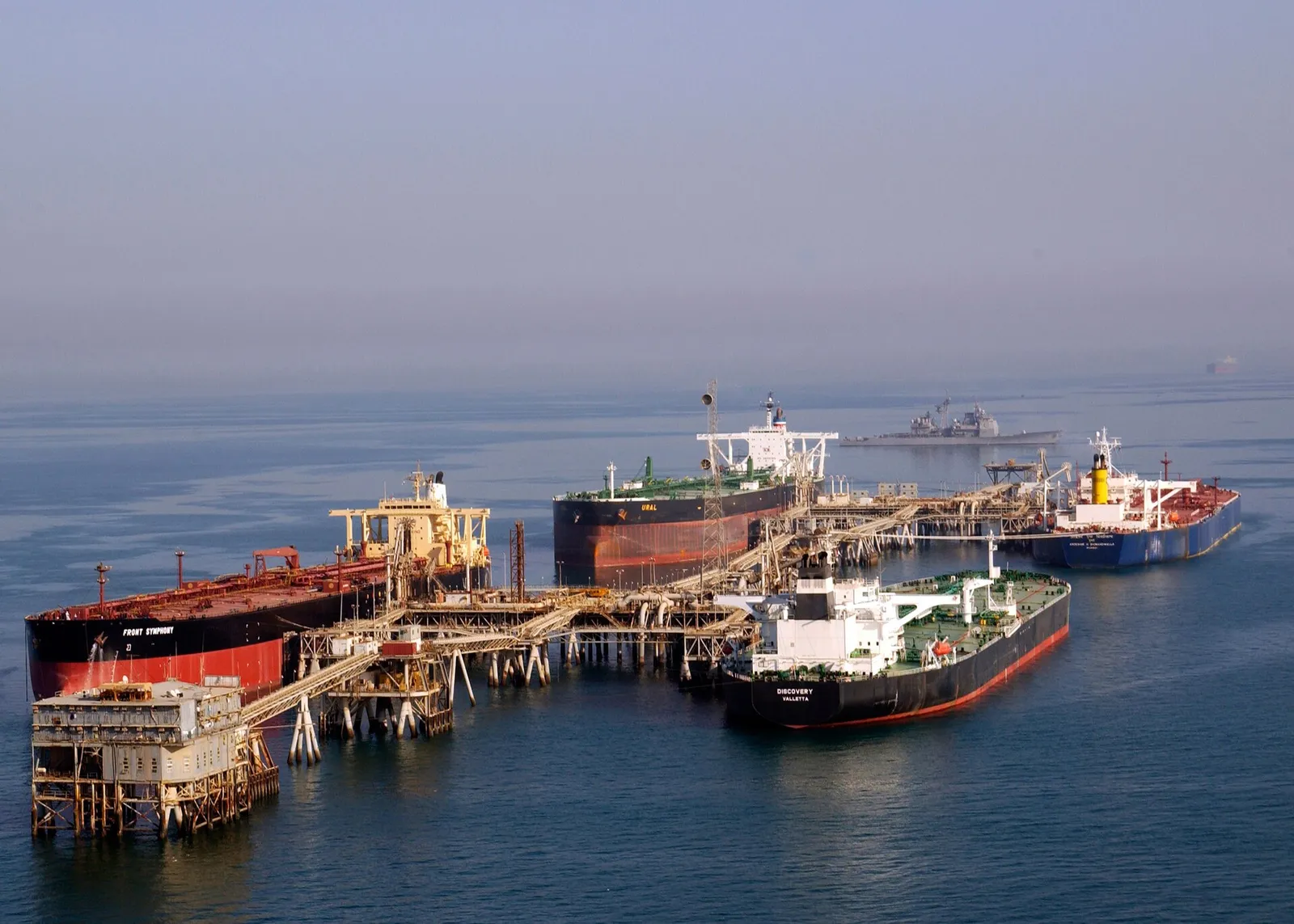
The most striking item is in the background. OFAC has previously designated firms accepting bitcoin in exchange for safe passage through the Strait of Hormuz.
We have covered the closure of the strait continuously, including tanker traffic falling to fewer than 20 commodity vessels at a weekend and the discounts producers are accepting to keep cargoes moving. What that designation adds is the payment mechanism: a toll on transit, collected in an asset that does not require a correspondent bank.
That is a concrete answer to why crypto matters in this conflict, and it is more useful than the general claim about sanctions evasion. A blockade generates a market in passage, and a sanctioned party collecting the fee needs a currency the sanctioning party cannot freeze.
What this does not do
It does not stop the payments. Designation makes a channel expensive and legally hazardous for anyone with exposure to the dollar system, which is most institutions and not all of them.
The previous designation of the exchange Nobitex is the precedent worth remembering: naming a venue moves activity rather than ending it, and the next venue is generally smaller, less compliant and harder to observe. Each round of enforcement improves the visibility of what was just closed and reduces the visibility of what replaces it.
Whether that trade is worth making is a policy judgment. It is not a technical failure, and anyone reporting the next designation as evidence the last one failed has the causation backwards.