For all the money Meta is spending on artificial intelligence, its own chief executive told employees this week that one of the technology's most-hyped ideas is moving slower than he expected.
The admission
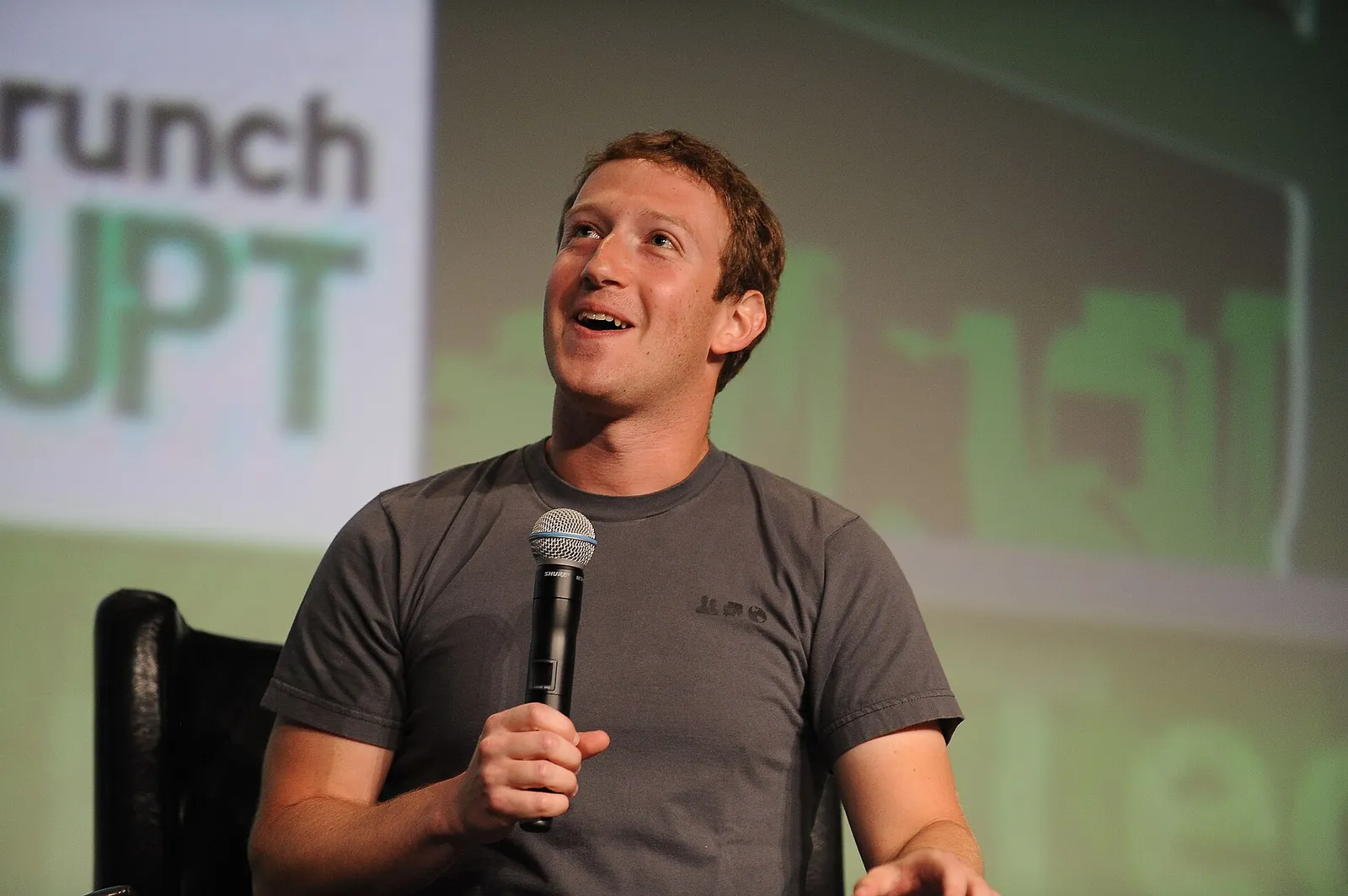
At an internal town hall, Mark Zuckerberg said the progress of AI "agents" had "not really accelerated in the way" Meta had anticipated in recent months, TechCrunch reported, citing Reuters' account of the meeting. He tied the point to Meta's sweeping reorganization, telling staff the expected benefits "haven't come to fruition yet," and acknowledging that the restructuring wasn't as "clean" as leadership intended — though he said he expects improvements within three to six months.
That reorganization was drastic. Meta laid off roughly 8,000 people — about 10% of its workforce — and reassigned some 7,000 employees to AI teams, including one pointedly named "Agent Transformation," per TechCrunch. Leadership, Zuckerberg said, had been "worried that we weren't going to move fast enough."
What "AI agents" are — and why they're hard
The gap he described is specific. AI agents are systems meant to go beyond chatbots: rather than answering a question, an agent is supposed to carry out multi-step tasks on your behalf — researching, deciding and acting with little supervision. The whole industry, from OpenAI to Microsoft, has pitched agents as the next leap in AI usefulness.
The problem is the distance between a demo and a dependable product. Models can look agent-like in controlled tests, but making them reliable enough that businesses and consumers will trust them with real tasks — at scale, without costly mistakes — has proven much harder. That is the bottleneck Zuckerberg was, in effect, conceding.
The spending that makes it sting
The admission lands hard because of what Meta is spending. The company has guided its 2026 capital expenditure to $125 billion–$145 billion, up from an earlier $115–135 billion range — roughly a doubling year over year, as Boursel and others have reported. That money is going into data centers and chips to build AI at massive scale. When Meta raised the figure in the spring, its stock fell sharply, as investors questioned when — or whether — that spending would pay off.
Zuckerberg's candor sharpens the same question. If even the AI leaders now say a flagship capability is progressing slower than hoped, the case for spending like it's arriving imminently gets harder to make.
Part of a bigger doubt
The comments fit a broader shift in mood. Big Tech's "Magnificent Seven" stocks had their worst month on record in June on exactly these worries — that AI capital spending has outrun the revenue and productivity gains it's supposed to generate. Prominent investors, including "Big Short" contrarian Michael Burry, have placed bets against parts of the AI trade. None of this means agents won't eventually work; the industry, including Meta, is still building toward them. But it marks a turn from unbroken optimism toward harder questions about timelines.
Why it matters
For Meta and its investors, the town-hall remarks put the company's enormous AI bet in sharper relief: the spending is certain and immediate, while the payoff is admittedly delayed. For the AI industry, a rare public acknowledgment from Zuckerberg that agents are lagging is a useful reality check against a year of breathless claims — the technology is advancing, but not on the schedule the marketing implied. And for the market, it adds to a growing list of reasons investors are re-examining whether AI valuations and capex have gotten ahead of what the technology can currently deliver. Boursel gives no investment advice; the takeaway is that the person spending most aggressively on AI just told his own staff the hardest part is taking longer than he'd hoped — a candid note in a debate that will shape the biggest companies in the market.