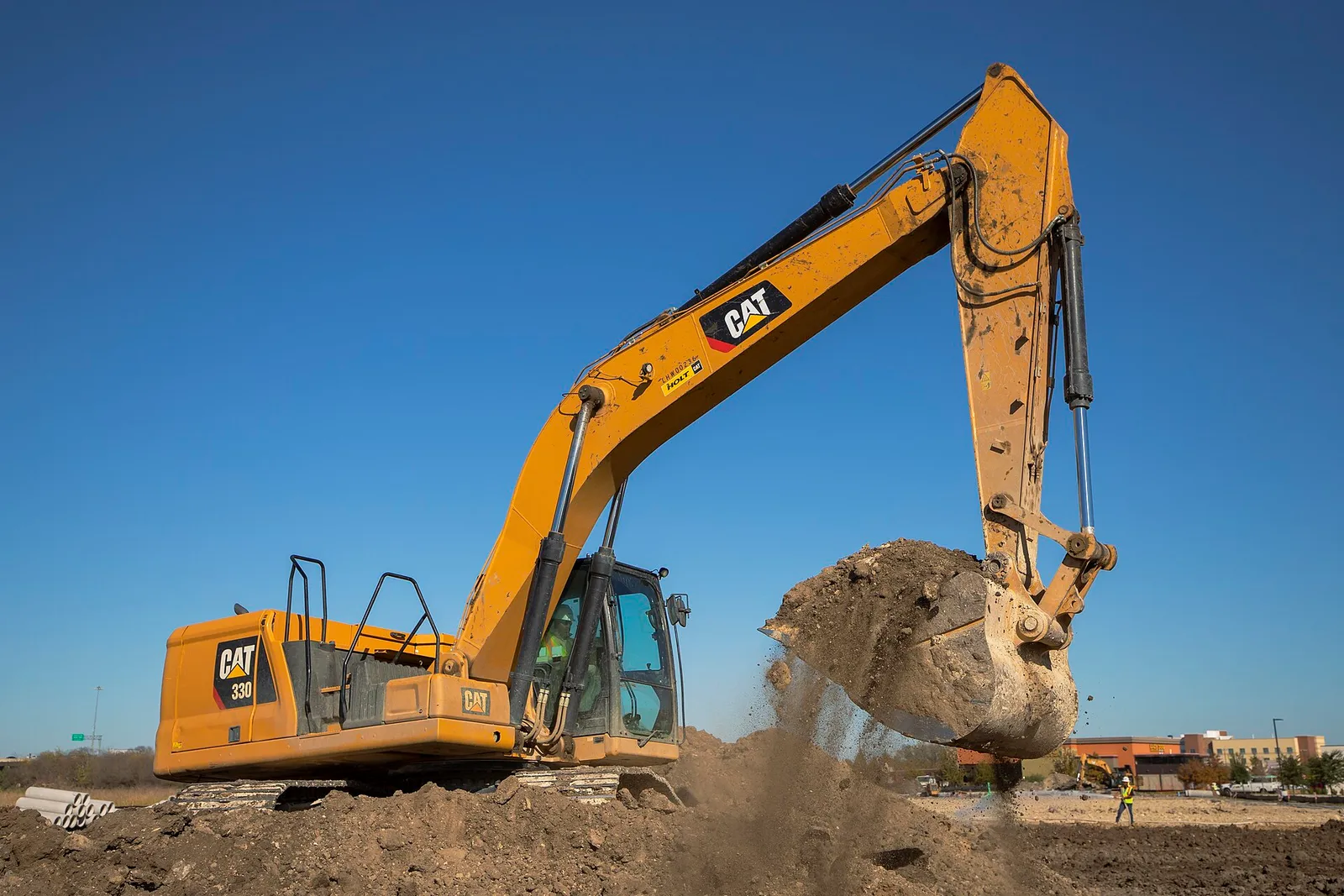
The man who bet against the U.S. housing market before 2008 has a new target: Caterpillar, the maker of bulldozers and, increasingly, the power equipment that keeps AI data centers running.
The bet
Michael Burry — the investor portrayed in The Big Short — disclosed on his Substack newsletter that he shorted Caterpillar at $1,060.98 a share, Fortune reported. It fits a pattern: Burry says he is also betting against Tesla, Nvidia and semiconductor funds, framing the wager as a call that the market is in an "AI bubble." (To short a stock is to sell borrowed shares in hopes of buying them back cheaper later; the trade profits if the price falls and loses if it rises — with, in theory, unlimited downside.)
What drew his eye is the size of Caterpillar's move. The shares have surged about 172% over the past year — and 77% in 2026 alone — pushing the stock's price-to-sales ratio to its highest level in three decades, per Fortune. For a 100-year-old industrial company, that is a striking re-rating, and it happened largely because of one story: AI.
Why Caterpillar became an "AI stock"
Caterpillar doesn't make chips, but it makes the engines and generators that power the data centers now being built at a furious pace to train and run artificial intelligence. Electricity is the binding constraint on AI: the aging power grid can't deliver enough of it fast enough, so hyperscale operators are increasingly installing their own on-site power generation — much of it Caterpillar equipment. That reframed a cyclical machinery maker as a play on the AI build-out, and investors bid the stock up accordingly. The company's most recent quarter was strong, with sales up about 22% to $17.4 billion.
Two ways to read the same rally
Burry's thesis is that the AI enthusiasm has detached Caterpillar's price from its fundamentals — that a good story has become an excuse to pay a historically extreme multiple, echoing the dot-com peak of 1999–2000.
Not everyone agrees. Sergey Glinyanov, an analyst at Freedom Broker, argues Burry's short "isn't likely to affect the stock at all," because the rally rests on a genuine structural shift — lasting demand for on-site power systems as data centers seek alternatives to the strained electrical grid, per Fortune. In that reading, the orders are real, long-lived and just beginning, and the premium is justified.
The disagreement captures the central question hanging over the whole AI trade: is the spending a durable new source of demand, or a bubble inflating valuations that will eventually deflate?
Why it matters
For investors, a high-profile short from a contrarian known for one spectacularly right call is a reminder that the AI rally has minted skeptics as well as believers — and that even a profitable, real-economy company like Caterpillar can be swept up in the debate about whether AI valuations have run ahead of reality. For the market, Caterpillar is a useful test case precisely because it isn't a speculative startup: it has earnings, a backlog and a century of history, so the argument is purely about price, not viability. And for the AI build-out, the episode underlines how far the boom's ripple effects now reach — into engines, generators and the century-old industrials that supply them. Boursel gives no investment advice and takes no side on where Caterpillar's stock goes next; the takeaway is that one of the market's most famous bears has planted a flag against the AI rally — and reasonable analysts think he's wrong. Time, and Caterpillar's order book, will settle it.