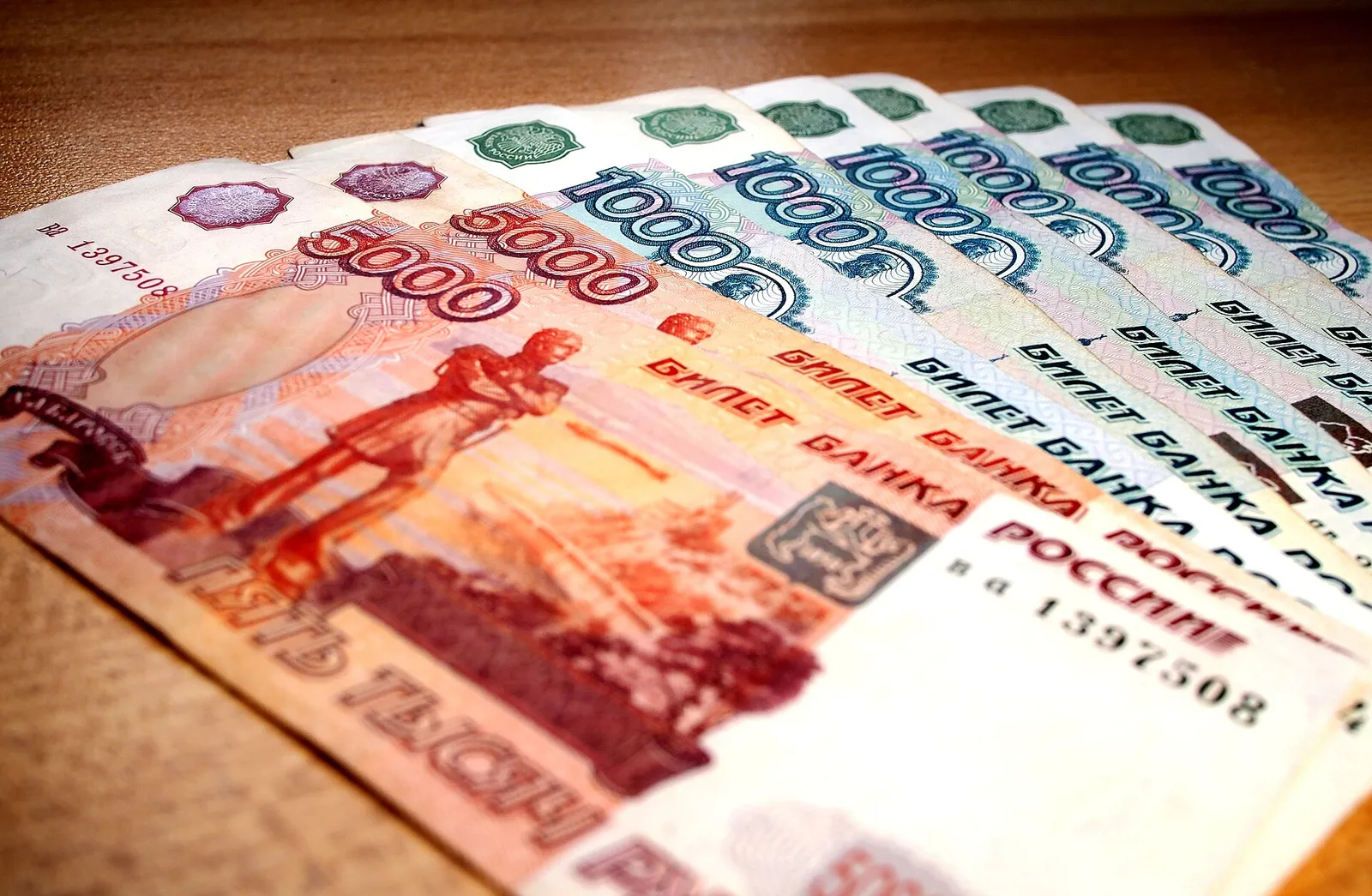
Russia is about to give one of the world's biggest tests to a controversial idea: money issued not as cash or a bank deposit, but directly by the central bank in digital form.
What's launching
The Bank of Russia says it is ready to move the digital ruble from pilot to mass use, with systemically important banks and large retailers required to accept it from September 1, the central bank announced. Governor Elvira Nabiullina said "everything is ready for the widespread use of the digital ruble." The mandate is staged: bigger banks and merchants first, with smaller banks and retailers following in 2027 and 2028 under a law Russia passed in 2025.
What a digital ruble actually is
The digital ruble is a central bank digital currency, or CBDC — an official currency issued in digital form directly by the central bank. It is worth exactly one ruble and is a "third form of money," as Nabiullina puts it, sitting alongside physical cash and the ordinary bank balances people already spend by card. (A CBDC is government-issued digital money; unlike Bitcoin it is centralized and state-controlled, and unlike a normal bank deposit it is a direct claim on the central bank itself.)
The feature that makes CBDCs powerful — and controversial — is that they can be programmable. Because the state issues and tracks the money, it can in principle attach conditions to it: restrict what it's spent on, set an expiry date, or monitor every transaction. That promises efficiency and tighter control of fraud and tax evasion, but it also hands the authorities visibility and control that cash never allowed.
Why Russia is pushing it now
Two motivations stand out. The first is ordinary: faster, cheaper payments that settle instantly and reduce reliance on commercial-bank rails. The second is geopolitical. Cut off from much of the Western financial system — including restricted access to the SWIFT messaging network that underpins cross-border payments — Russia has strong reasons to build domestic and non-Western payment infrastructure it controls. A state digital currency fits that strategy, and over time could be linked to other countries' systems to move money outside Western oversight. (SWIFT is the global network banks use to send payment instructions across borders; losing full access makes international transactions harder.)
The catch: nobody's asking for it
For all the official readiness, public appetite is thin. The pilot, running since 2023, has been small, and surveys cited by The Moscow Times suggest only about 10% of working-age Russians would be willing to receive their whole salary in digital rubles. Many simply don't see why a "third form of money" is needed when cards already work. The central bank has offered free transactions to coax adoption, and has quietly granted some banks more time to comply — signs that the September date is more a starting gun than a finish line.
The global race
Russia is not alone. China has the furthest-advanced major CBDC, its e-CNY, used by hundreds of millions in trials. The European Central Bank is developing a digital euro, and small economies such as the Bahamas, Jamaica and Nigeria have already launched their own. The notable holdout is the United States, where lawmakers have moved to prohibit a U.S. CBDC, citing surveillance and privacy fears — the same concerns that make CBDCs contentious everywhere.
Why it matters
For the global financial system, a large economy putting a programmable state currency into everyday use is a real-world experiment in what central-bank money could become — and a template others will study. For Russia specifically, the digital ruble is as much about sovereignty and sanctions resilience as convenience, offering a payment channel Moscow controls end to end. And for citizens, it crystallizes the central tension of the CBDC era: the same features that make digital money efficient also make it trackable and controllable. Boursel takes no political side; the takeaway is that Russia is about to run one of the most consequential CBDC rollouts yet — pushing a technology its own public has, so far, greeted with a shrug.