Few corners of the stock market capture the new economics of warfare like the one AeroVironment just showed off.
A record quarter, then a contract
Shares of AeroVironment — a maker of small military drones and, increasingly, systems to shoot them down — jumped from about $139 to roughly $192 over a handful of trading days, a gain of around 38%. Two catalysts stacked up.
First came earnings. The company posted fiscal fourth-quarter revenue of $641.6 million, well above the roughly $557 million analysts expected, and adjusted earnings of $1.84 a share versus about $1.47 forecast, according to its results. Management guided fiscal 2027 revenue to $2.125 billion–$2.225 billion and pointed to a funded backlog above $1.2 billion — a measure of orders already paid for, which gives investors visibility into future sales.
Then, on July 2, the Pentagon added fuel: the U.S. Army awarded AeroVironment a $500 million contract for counter-drone systems, running through 2029, DefenseScoop reported. The "firm-fixed-price" deal gives the military a multi-year path to buy systems that detect and neutralize the small, cheap drones now swarming modern battlefields. (A firm-fixed-price contract sets the price up front, shifting cost risk to the supplier but giving both sides certainty.)
What AeroVironment makes
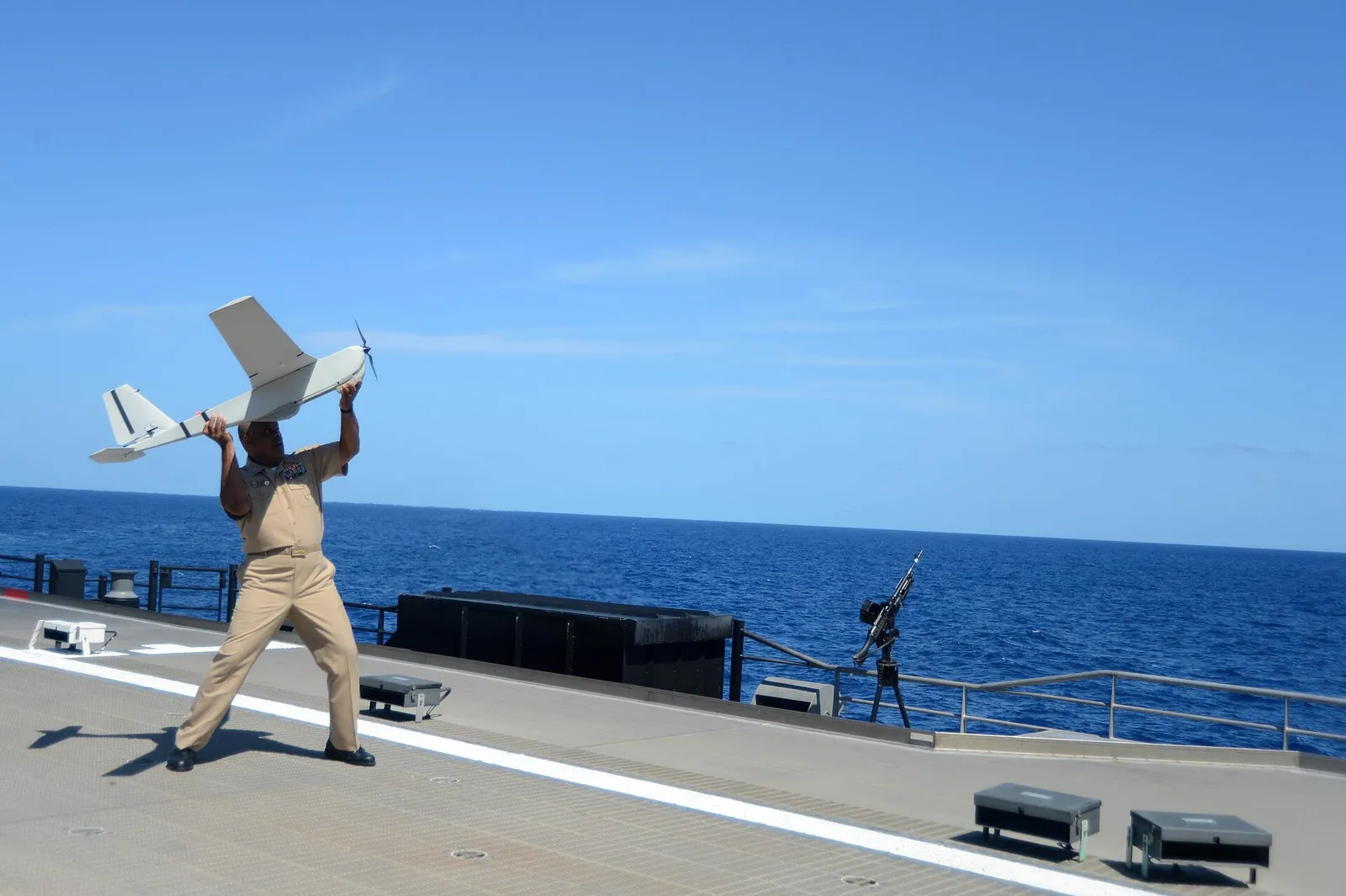
The company sits on both sides of the drone equation. It builds Switchblade "loitering munitions" — small, portable attack drones that circle a target before striking, sometimes called kamikaze drones — and Puma reconnaissance drones that soldiers launch by hand to scout ahead. Increasingly it also sells counter-UAS ("unmanned aerial system") gear designed to spot and stop enemy drones, the capability the new Army contract funds. That combination — offense and defense in the same catalog — is exactly what militaries are scrambling to buy.
Why demand is exploding
The backdrop is the war in Ukraine, which has turned cheap drones into one of the defining weapons of modern conflict. Both sides now field vast numbers of them — for reconnaissance, for precision strikes, and increasingly to hunt each other's drones. That has forced Western militaries to rethink procurement and pour money into both unmanned systems and the tools to counter them. U.S. spending on small drones has climbed sharply from pre-war levels, and allied budgets have followed. For a company like AeroVironment, that is a structural surge in demand, not a one-off — which is why investors rushed to reprice the stock.
Why it matters
For AeroVironment and its investors, the week combined the two things the market prizes most: a big earnings beat and a large, multi-year government order that de-risks future revenue. For the defense industry, the rally is a marker of how quickly drones and counter-drones have moved from niche to central in military spending — reshaping which contractors win. And for the broader economy, it is a reminder that geopolitics has become a genuine driver of corporate earnings, with the war in Ukraine visible directly in an American company's order book. Boursel gives no investment advice; the takeaway is that AeroVironment's jump reflects a real and durable shift — the drone has become both the threat and the shield, and the companies that supply both are the ones the Pentagon is now writing checks to.