A week after a U.S.-Iran deal was meant to calm the Gulf, a single drone strike showed how fragile that peace — and the oil market's relief — still is.
What happened
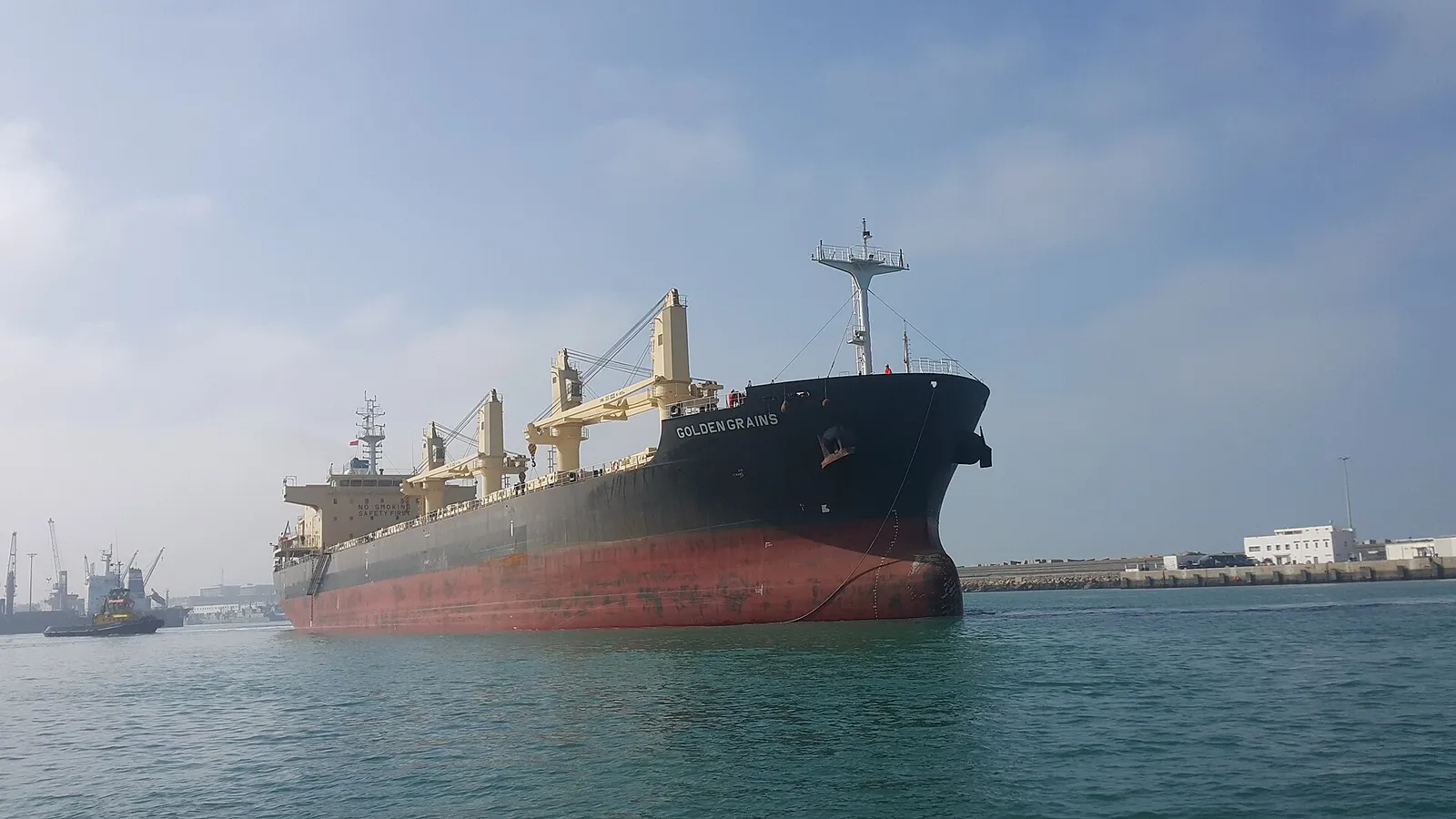
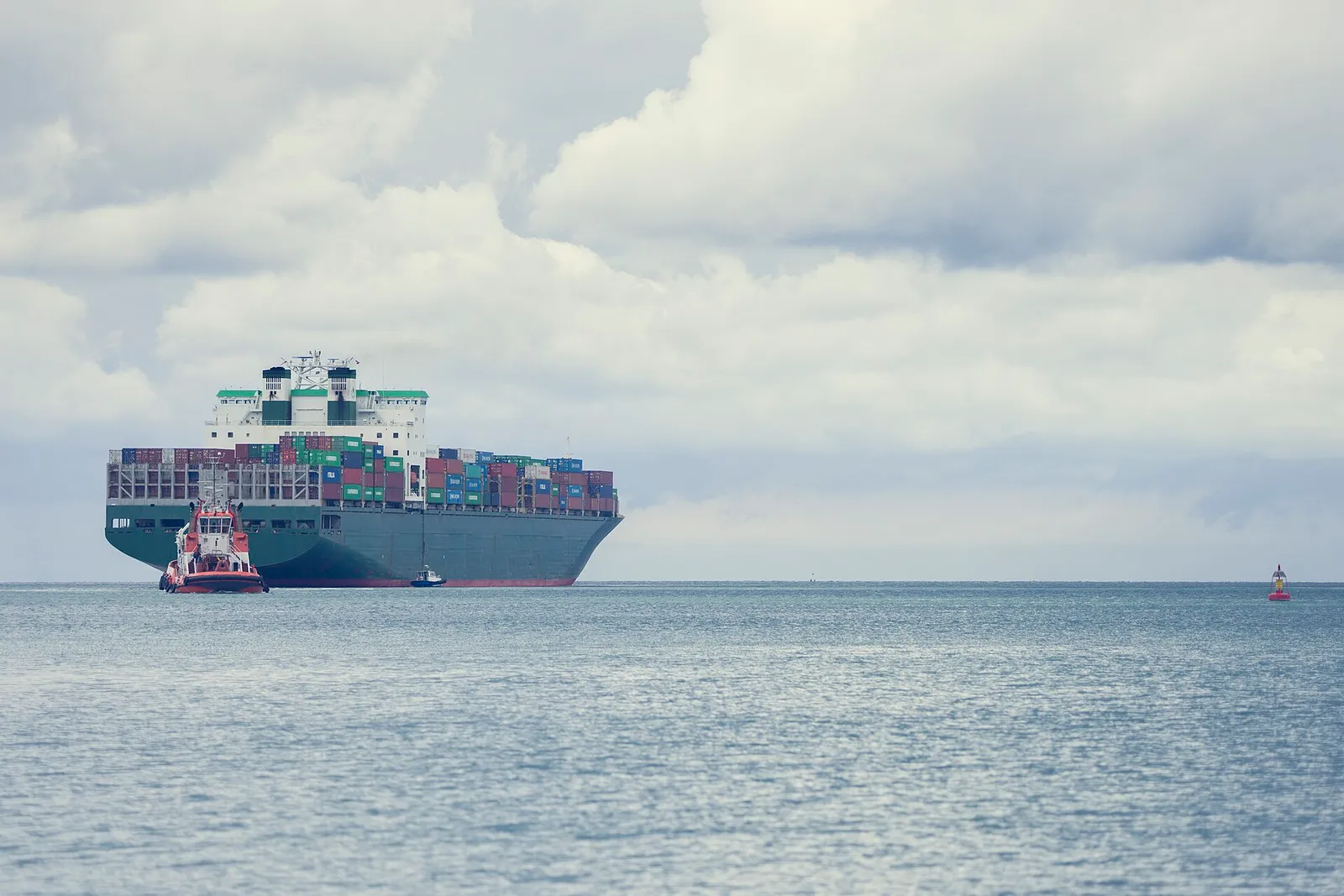
The Ever Lovely, a Singapore-flagged container ship, was hit by a projectile on Thursday off the coast of Oman near the Strait of Hormuz, the AP reported, citing the British military and maritime-security sources. No casualties were reported. A U.S. official told the AP the vessel was struck by an Iranian drone; Iran had not claimed responsibility, and some maritime sources said attribution was not yet certain. President Trump said the strait remains open.
The UN pause
In response, the International Maritime Organization — the UN's shipping agency — paused a plan it had only just begun, to escort hundreds of commercial ships and roughly 11,000 seafarers out of the Gulf, where they have been stranded since fighting erupted in late February. IMO Secretary-General Arsenio Dominguez said the evacuation would stay on hold until the agency could "reconfirm" safety guarantees for the ships on its list and others in the region.
Why the strait matters
The Strait of Hormuz is the world's single most important oil chokepoint, carrying roughly a fifth of the world's seaborne crude. That is why even a contained incident moves markets: it raises the risk premium on every barrel and every hull passing through. During the spring war, when the strait was effectively closed, Brent crude spiked above $100. Since the ceasefire, it has fallen back toward pre-war levels.
The market reaction
The response was measured, not panicked. Brent had been hovering around $75 a barrel on Thursday — briefly dipping to about $72, its closest to the pre-war $70 level in nearly four months — before the attack nudged prices up roughly 1%, per CBS News. Analysts read the move as a reminder, not a reversal: the incident rekindled concern about how long it will take for Gulf flows to normalize, but a single strike on one ship — absent escalation — is unlikely to undo the broader slide in prices. War-risk shipping insurance, which had begun to ease, is likely to stay elevated while the evacuation is on hold.
The bigger picture
The deeper risk is political. The attack is the first on commercial shipping since the U.S. and Iran signed a framework last week to end their war and reopen the strait — a 60-day window meant to allow talks on a lasting settlement. The deal was already strained: Iran briefly reclosed the strait days earlier, and the two sides remain at odds over transit arrangements. For markets, the signal is that the cheap-oil story now rests on a fragile truce. We're reporting what's confirmed and flagging what isn't; whether this is an isolated incident or the start of renewed disruption is the question that will set the oil price from here — and that no one can yet answer.