The artificial-intelligence company Anthropic is looking to lock up a vast amount of computing power on the other side of the world. The maker of the Claude chatbot plans to buy at least 1.4 gigawatts of data-centre capacity in Australia, in a project that could cost as much as $15 billion, the Australian Financial Review reported, as summarized by Investing.com. These are the company's plans as reported, not a finalized deal.
How big is 1.4 gigawatts?
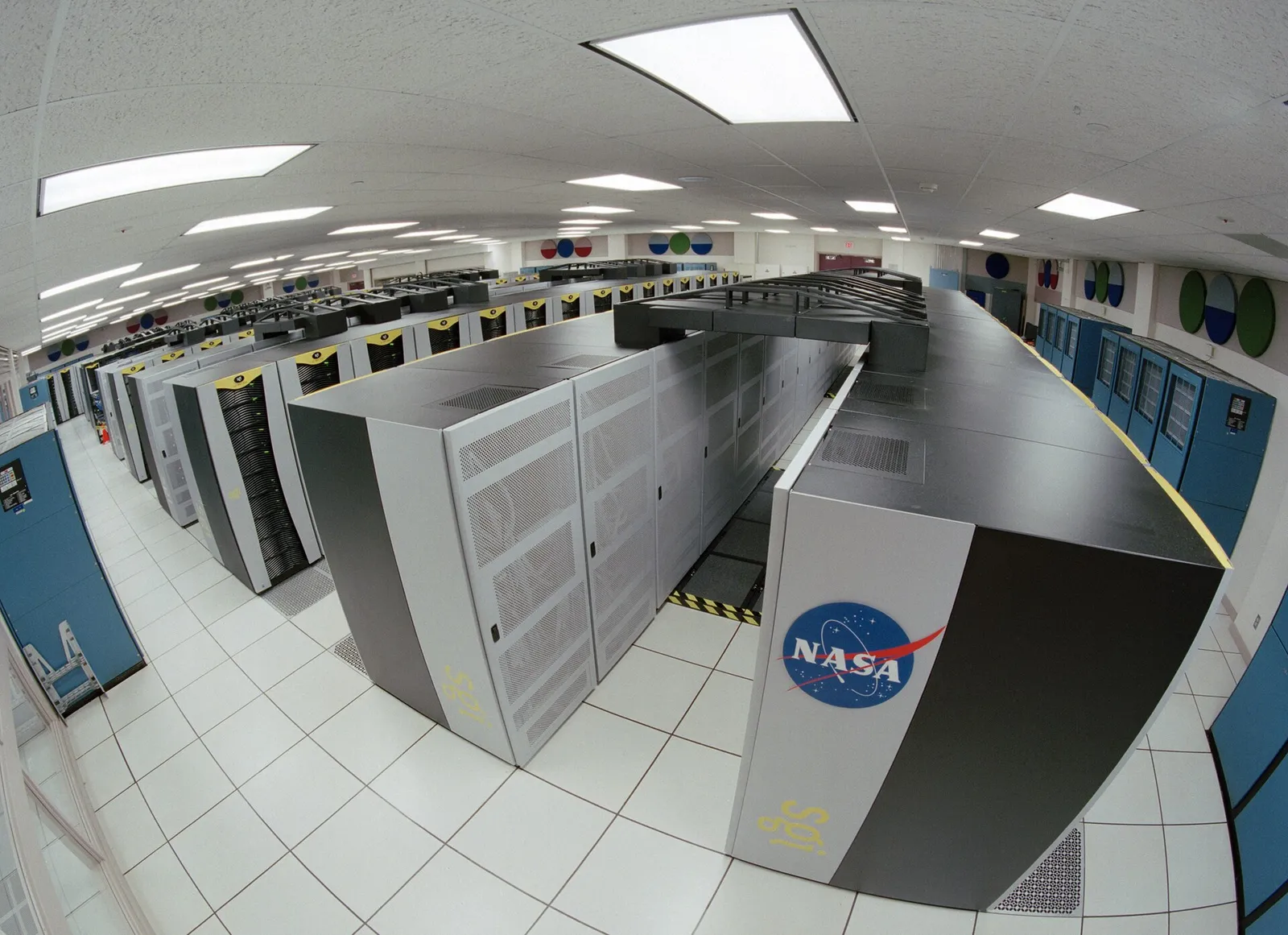
The figure is what makes the story notable. A gigawatt is a measure of power, and one of them is roughly the output of a large power plant, enough to supply on the order of a million homes. Anthropic is seeking more than that, a scale of electricity demand comparable to a small city, dedicated to running the computers behind an AI model. That is the crux of today's AI economics: the limiting factor is increasingly not software but the power and physical infrastructure to run it.
What Anthropic is asking for
Rather than buy and build itself, Anthropic wants to partner with a developer that can construct a single campus of 1.4 gigawatts or more, though it is open to splitting the work among four or five providers, Investing.com reported. Five Australian and regional data-centre operators are in the running: CDC Data Centres, AirTrunk, NextDC, Iren and Stack, according to Investing.com.
The timeline is quick for infrastructure of this size. Initial proposals went in during March, shortlisted bidders met Anthropic executives in Canberra in April, and the company is aiming to have at least 1 gigawatt of capacity running by the end of 2027, with a final decision expected within weeks, Investing.com reported. Anthropic opened an Australian office earlier this year.
Why Australia, and why now
Building AI data centres abroad follows a simple logic: they need somewhere with land, a stable legal system and, above all, lots of power. Australia offers space and abundant potential for renewable generation, and the move extends the AI build-out beyond the United States, where competition for sites and electricity has grown fierce.
That competition is the real story. Across the industry, AI companies are racing to secure computing capacity and the power to feed it, striking long-term deals for data centres and even for dedicated electricity supply, including nuclear power, to guarantee the round-the-clock energy their systems require. OpenAI's US "Stargate" program, a multibillion-dollar plan to build a network of giant AI data-centre campuses, is the best-known example of the same impulse. Anthropic's Australian search shows that the hunt for power has gone global.
Why it matters
For investors and for the wider economy, the significance runs beyond one company's tender. The sums involved, and the electricity, are large enough to shape energy markets and infrastructure planning in the places these campuses land. It also underscores a shift in how AI competition is won: not only by building better models, but by securing the scarce, expensive capacity to run them at scale. If the reported plan proceeds, Australia would gain a major piece of that build-out, and a large new customer for its power.