Six months into the conflict that turned the world's most important oil chokepoint into a war zone, the pressure is shifting direction. President Trump warned on Tuesday that "ANY country that allows its financial institutions, businesses, airports, or government entities to provide any type of lifeline to Iran will itself face TREMENDOUS Economic Consequences", escalating what the administration calls Operation Economic Fury, the sanctions campaign it has run since April alongside its naval blockade of Iranian oil.
The list of targets was specific. "Oil smuggling, swap lines, cash transfers, exchange houses, ship registries, front companies — it all needs to stop NOW," the president said, language aimed at the informal network that has kept Iranian trade alive under sanctions. Analysts told Al Jazeera the threat implicitly points at buyers and intermediaries in China, Iraq and Turkey, though economist Nader Habibi noted that overland trade routes are hard to police without neighboring governments' cooperation.
Tankers are moving again
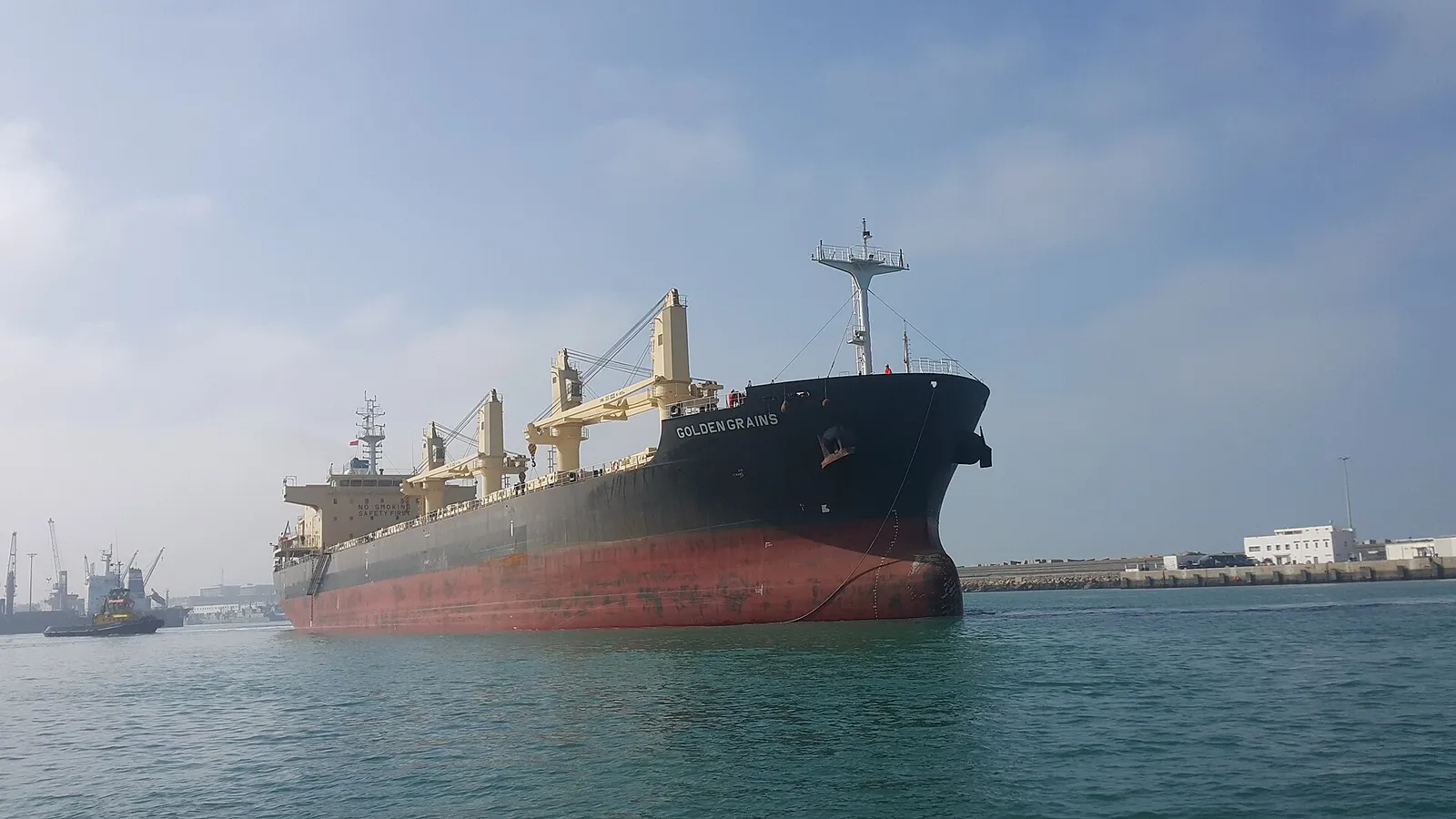
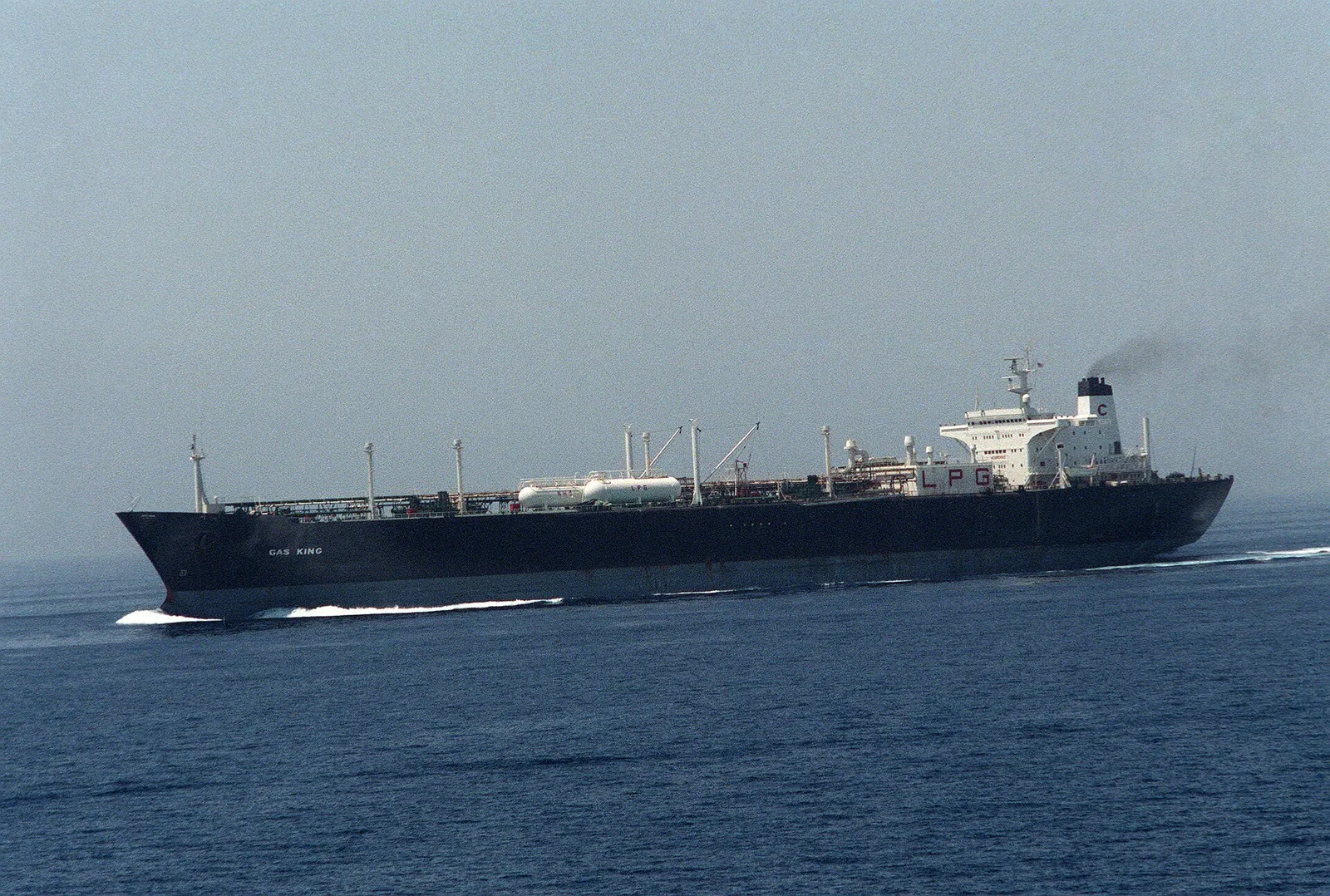
At the same time, reports suggest Iran's grip on the Strait of Hormuz is weakening as the US military steps up protection for commercial tankers, with shipping companies increasingly moving under naval escort and traffic recovering from the lows reached earlier in the conflict.
The economics of that shift show up first in insurance. War-risk premiums for vessels transiting the region have run at 3% to 10% of a ship's hull value, against roughly 0.25% before the conflict, meaning a $100 million tanker can pay $3 million to $10 million for a single period of cover that once cost about $250,000. "War rates have been on a roller coaster mirroring the development of the price of oil," Marcus Baker, global head of marine at insurance broker Marsh, told The National. If escorted transits keep vessels safe, those premiums, and the freight costs they feed into, have room to fall.
What it means for oil
Brent crude has been trading in the low $90s per barrel, a level that still carries a substantial risk premium relative to where prices sat before the war began in late February. The strait handles roughly a fifth of the world's oil, so the market prices not just actual disruptions but the possibility of worse ones.
That leaves energy markets pulling in two directions. Safer transit argues for lower prices: every escorted tanker that passes unharmed chips away at the fear component in crude. Harsher sanctions argue for higher ones: if Trump's threats succeed in shutting down Iran's remaining export channels, real barrels leave the market even as the shipping lane gets safer. Which force dominates depends on enforcement, and on whether Iran, which resumed attacks on shipping in July after a 60-day negotiation window collapsed, escalates again rather than accept a shrinking hand.
For consumers, the stakes are concrete: US gasoline prices have climbed for weeks on Hormuz supply concerns, and a durable reopening of the strait is the most direct path to relief at the pump.