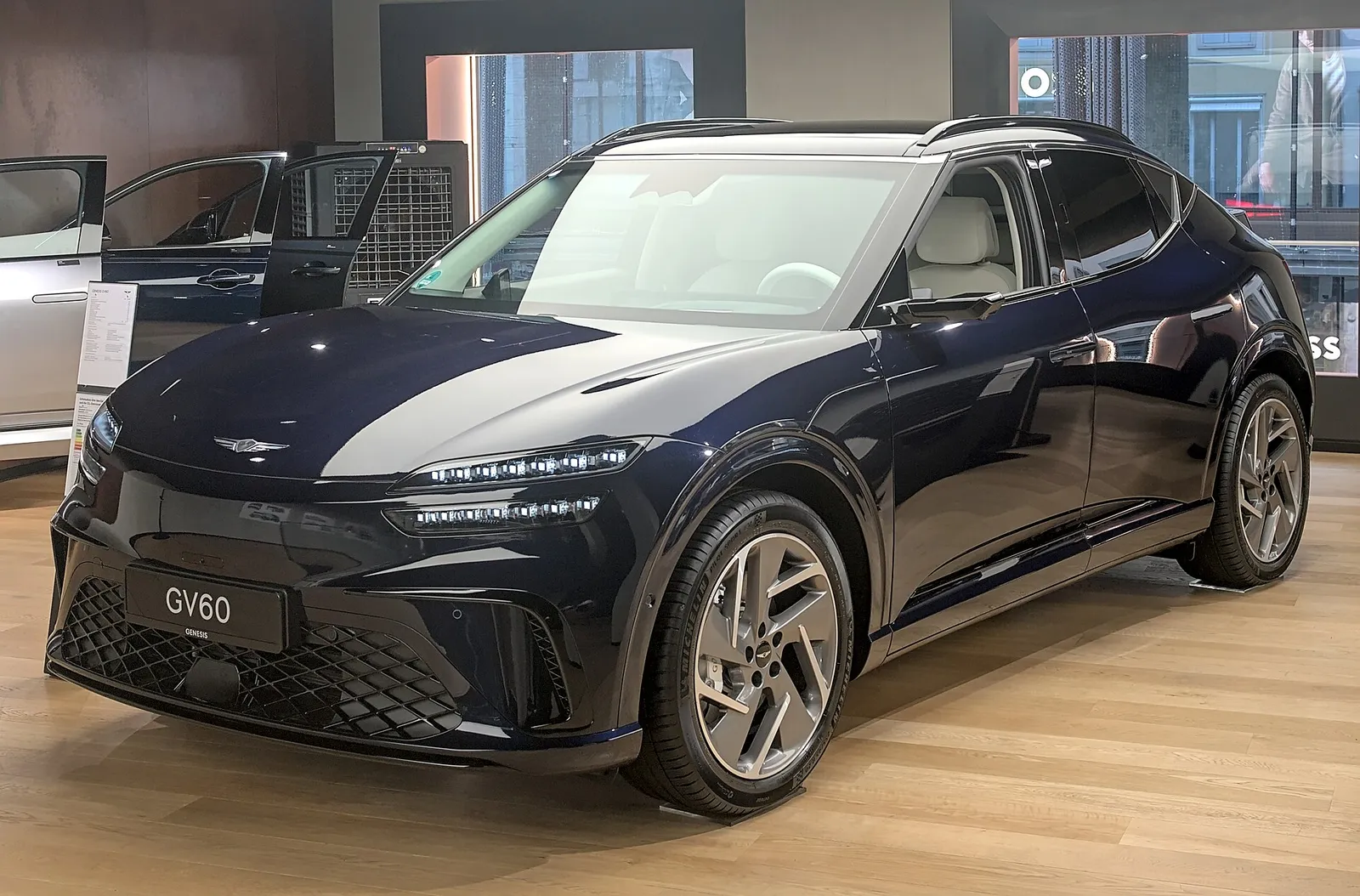
Hyundai is putting its most expensive badge on an electric vehicle. The Genesis GV90, a large luxury SUV, is debuting as the new flagship of Hyundai's premium brand, slotting above the GV80 SUV and the G90 sedan that have anchored the lineup until now, with customer deliveries expected to begin next year, including an early US launch.
The technical outline comes from paperwork rather than press kits. Data Genesis submitted to South Korea's environment ministry shows all-wheel drive with a combined 490 kW of output, roughly 660 horsepower, and a 123.5 kWh battery pack, larger than any Hyundai or Kia EV to date. The signature flourish is a pair of rear-hinged coach doors, a Rolls-Royce-style touch confirmed by Genesis Europe managing director Peter Kronschnabl, who called them a major point of distinction in the segment. The GV90 grew out of the Neolun concept Genesis showed in 2024.
Why a flagship EV, and why now
The business logic runs through margins. Luxury vehicles are where EV economics work soonest: battery costs that crush the profitability of a $30,000 car are absorbable in a six-figure one, which is why the electric flagship segment already includes the Mercedes-Benz EQS SUV, Cadillac's Escalade IQ and coming top-end entries from BMW and Range Rover. For Genesis, which has spent a decade converting skeptics into buyers with aggressive value-for-content pricing, a halo EV is a statement that the brand intends to compete at the segment's ceiling, not just undercut it.
For Hyundai the stakes are larger than one model's volume. Genesis is the group's profit-density play, fewer units, much richer margins, and its flagship sets the price ceiling under which the whole lineup gets room to move up. A credible $100,000-class Genesis makes an $80,000 Genesis look reasonable.
The hard part
Flagship EVs have been a humbling segment. Established German brands have discounted their electric flagships as demand at the top end proved thinner than projected, and a newcomer must overcome both brand gravity and the practical concerns, charging, residual values, that weigh hardest on six-figure purchases. Genesis's counterargument is the one that built the brand: more car per dollar, now with theatrical doors.
There is also a policy variable. The GV90 is expected to ship initially from South Korea, which leaves its US pricing exposed to the tariff environment, a moving target this year, as this week's on-again, off-again North American tariff negotiations remind anyone planning cross-border car business. Where the GV90 is ultimately built for the US market will matter nearly as much as how it drives.
The unveiling gives Hyundai a clear flagship for the electric era. Whether it gives Hyundai flagship profits depends on execution the spec sheet cannot show.