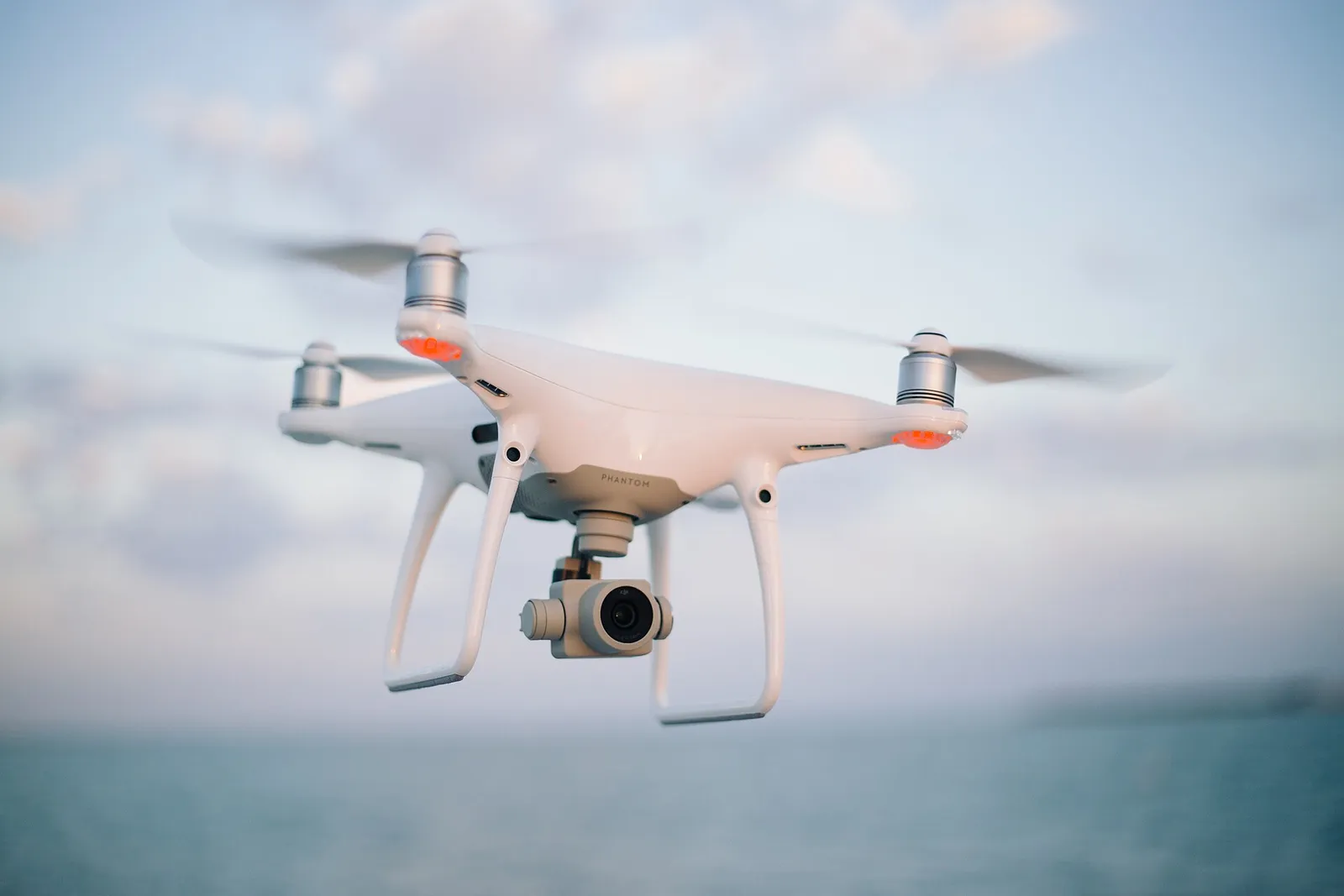
In December 2013, Jeff Bezos went on 60 Minutes and promised drones would be dropping packages on American doorsteps within four to five years. The prediction became a punchline; the program behind it quietly kept going. Now Amazon says the waiting is over at scale: Prime Air plans to expand to nearly 500 US cities and towns by the end of 2026, a sixfold increase in the program's footprint.
Today the service operates from 11 sites across 10 metro areas, including Phoenix, San Antonio, Kansas City, Baton Rouge and Detroit, each covering roughly 175 square miles. Chicago, Syracuse, Cleveland, Atlanta and Boise are next. "Amazon has delivered hundreds of thousands of packages to customers by drone this year," Prime Air vice president David Carbon told Fortune, real volume, though a rounding error against the roughly 20 million packages Amazon moves in the US each day.
What took thirteen years
The hard part was never the flying. The obstacle was that the FAA's certification methods were built for human-piloted aircraft, forcing Amazon to help develop standards for autonomous delivery from scratch. The regulatory unlock came in stages: Prime Air holds an FAA air-carrier certificate, and it has since gained authorization to fly beyond visual line of sight without ground observers, the approval that makes wide coverage economically thinkable, since it removes the need for humans stationed along every route.
The product itself is deliberately modest: items up to five pounds, delivered within about a seven-mile radius of a fulfillment site, most arriving in around an hour and some in as little as 30 minutes. Fortune reports the service is free for Prime members on orders over $50, with small fees otherwise.
The setbacks are not behind it
The program's history includes abandoned test sites in California and Texas, a culture clash after former Boeing executive David Carbon took over in 2020, resident complaints about noise, and crashes. Two drones struck the same construction crane in Arizona last fall, and in July a drone crashed into a garden in Darlington, England, drawing a UK investigation. Aviation-grade scrutiny is the price of operating aircraft over neighborhoods, and every incident tests the regulatory goodwill the expansion depends on.
Do the economics work
Amazon is not scaling drones because they are cheap today; it is scaling them because of what they might make cheap tomorrow. Fortune notes the bet is subsidized by the wider machine, seller fees and more than 200 million Prime subscriptions, and hedged against a labor future where proposals like a New York bill to reclassify delivery drivers as employees could reprice ground delivery overnight. Competitors are making the same calculation: Walmart, working with Alphabet's Wing, is expanding drone delivery toward a stated goal of reaching more than 40 million Americans by 2027.
The honest summary after thirteen years: the technology works, the regulator has been persuaded, and the demand is real for a narrow slice of e-commerce, small, urgent items in drone-friendly suburbs. Whether that slice ever justifies the decade of investment depends on the expansion Amazon just promised actually happening, and on keeping its aircraft out of cranes and gardens while it does.