Apple is preparing the biggest expansion of its iPhone lineup in years — including its long-rumored first foldable — according to a report from Japan's Nikkei, though the company itself has said nothing.
Apple has raised its production target for a foldable iPhone to around 10 million units, up from earlier estimates of roughly 7 to 8 million, and has told suppliers to prepare components for at least five new iPhone models launching across the second half of 2026 and into early 2027, Nikkei Asia reported, citing people familiar with the plans. The foldable is expected to be a premium device — reportedly priced around $2,500, well above the standard iPhone — though pricing, naming and specifications are unconfirmed.
A caveat up front: Apple does not pre-announce products, and none of this is official. These are supply-chain reports, which are often directionally right but can change before launch. Treat the figures as reported plans, not confirmed fact.
What a foldable is — and why it's hard
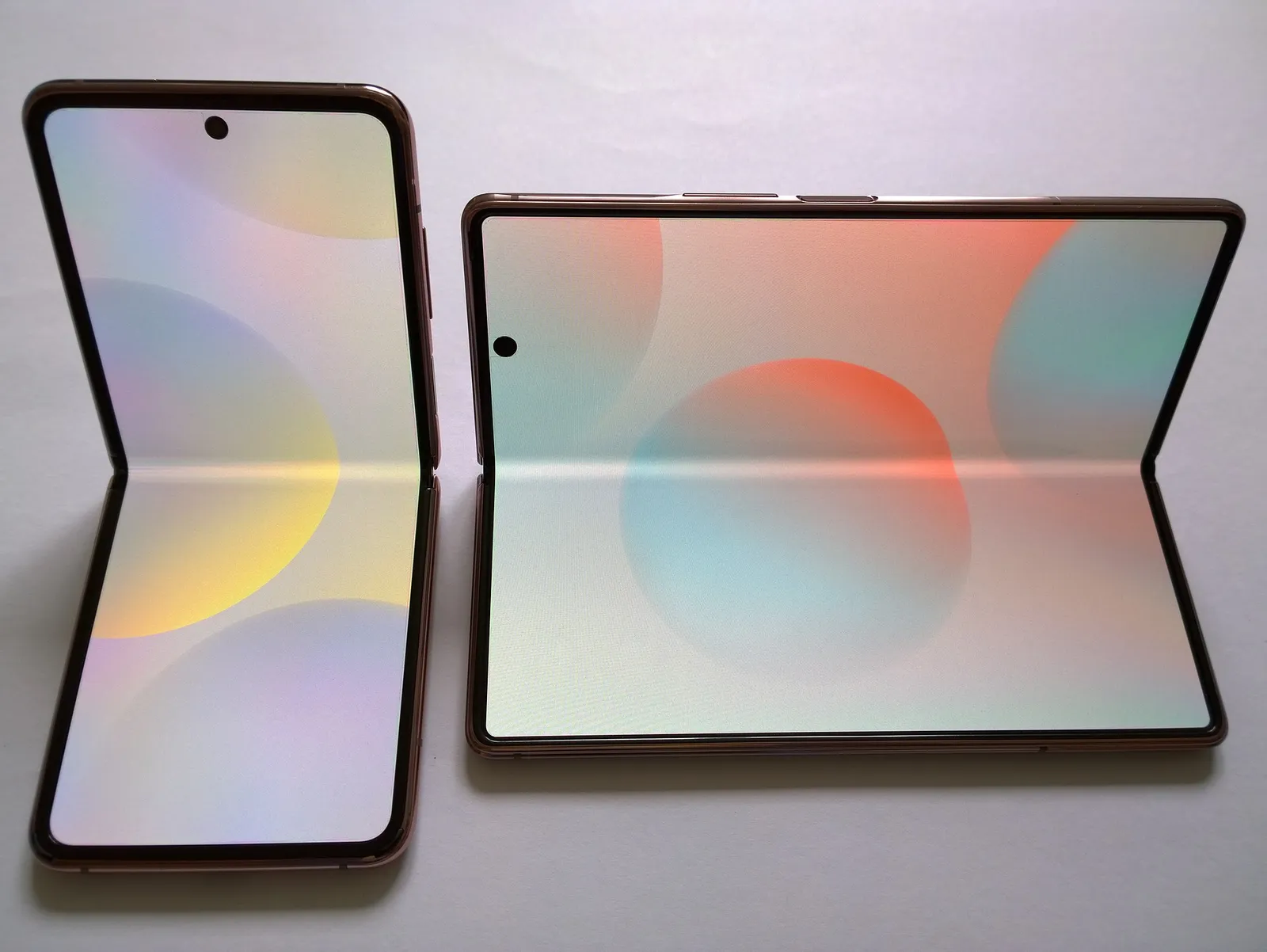
A foldable phone has a flexible screen that folds, so a device the size of a normal phone can open into a small tablet. Rivals led by Samsung have sold them for years, but they remain a niche: the folding displays are expensive and prone to a visible crease, and the hinges add cost and fragility. Apple has stayed out of the category until now, and reports suggest it has worked on techniques to minimize the crease — the kind of engineering detail that has kept it on the sidelines while competitors iterated.
Why the volumes matter beyond Apple
The headline isn't just a new gadget — it's the numbers, because Apple's scale reshapes entire supply chains. A target of around 10 million foldables is large for a first-generation, premium product, and it signals confidence to the suppliers who make flexible OLED displays, hinges and specialized components. When Apple commits to a category at volume, component makers invest to meet it, and analysts expect Apple's entry to give the whole foldable-panel market a lift.
The broader five-model push, meanwhile, points to an unusually busy product cycle as Apple tries to defend and grow market share — and it comes as the industry navigates rising memory-chip costs, a squeeze Boursel has covered that is pushing up prices across electronics.
Why it matters
For Apple's suppliers — display makers, chip and component firms across Asia — a bigger, more varied iPhone lineup means more orders but also more complexity to manage. For the smartphone market, Apple finally entering foldables could move the category from niche toward mainstream, pressuring Samsung and others. And for investors, the plans (if borne out) speak to Apple's strategy of segmenting its lineup across more price points to keep growth going in a mature market. Boursel offers no view on Apple's stock and cannot confirm unannounced products; the takeaway is that the most closely watched hardware company is, by these accounts, betting big on a new form factor — and the ripple effects would reach well beyond Cupertino.