One of Europe's most valuable AI startups is giving its employees a chance to cash in — without selling the company or going public. Wayve, the London-based self-driving firm, has launched an $85 million tender offer that lets staff and early investors sell some of their shares at a valuation of about $8.5 billion, TechCrunch reported.
What a tender offer is — and why it matters
A tender offer is a controlled share sale. The company lines up investors to buy shares from employees (and early backers) at a set price, giving them liquidity — a way to turn paper wealth into actual cash — while the company stays private. It's become a favorite tool of hot startups: it rewards and retains staff who might otherwise leave for a rival or push for an IPO, and it lets founders keep control and set a valuation without the scrutiny of public markets.
This is a secondary deal — existing shares changing hands — not new money raised by Wayve. It comes only months after Wayve raised more than $1 billion in a funding round that valued it around $8.6 billion, CNBC reported. (The tender's ~$8.5 billion figure is essentially the same, give or take rounding.)
Who Wayve is
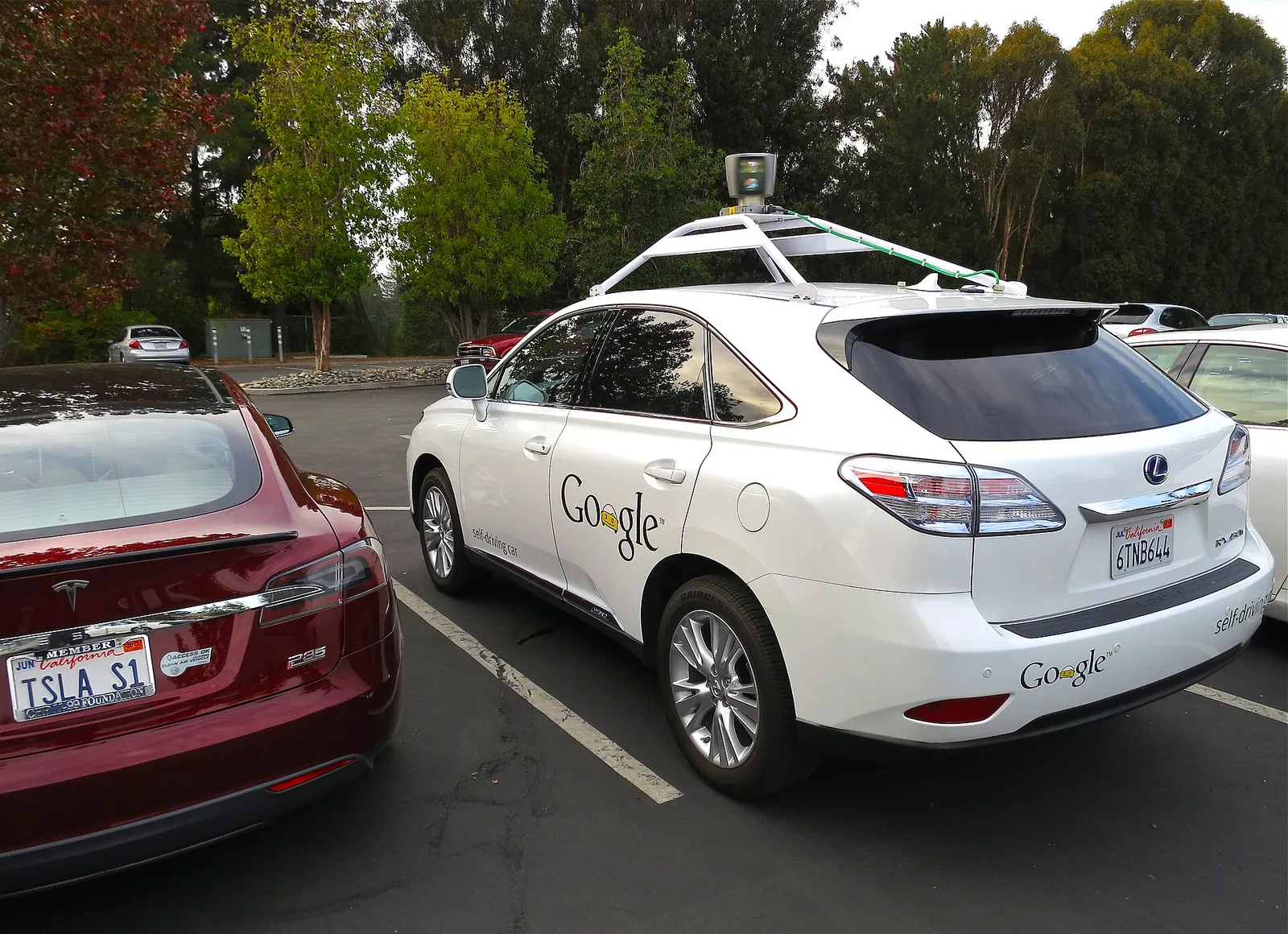
Founded in 2017, Wayve (now around 1,200 employees) is a self-driving software company — it doesn't build cars, it builds the AI that drives them, and licenses it to automakers. Its approach is "end-to-end" AI: instead of relying on hand-coded rules and detailed pre-built maps, Wayve's system learns to drive from data and experience, much as a person does — a "mapless," camera-first method the industry calls embodied AI. Wayve says this lets it drive in cities it hasn't specifically been tuned for.
The company is backed by heavyweight investors reported to include SoftBank, Nvidia, Microsoft and Uber, and it's lined up real-world deployments — robotaxi trials with Uber in London, and putting its assisted-driving software in Nissan vehicles from 2027.
The bigger picture
Wayve's tender is a snapshot of two trends Boursel tracks. First, "physical AI" — robotics and self-driving — is drawing huge capital as the AI boom spreads from chatbots to the physical world; the autonomous-vehicle race (Waymo, Tesla, Chinese players and Wayve) is heating up again. Second, the hottest AI companies are staying private longer, using tenders rather than IPOs to give employees a payday — a pattern seen across the sector while public-market investors remain wary of unprofitable AI bets.
Why it matters
For Wayve's employees, the deal is a concrete reward and a hedge against uncertain IPO timing. For the AV industry, a fresh $8.5-billion valuation signals that investors still see self-driving software as a core AI prize worth backing. And for the broader private-market story, it's another sign that the AI-funding cycle is deep enough to let leading startups reward staff and set valuations without Wall Street — as long as venture money keeps flowing. Boursel offers no view on Wayve's value; the takeaway is that the money and talent in self-driving AI are real enough that its people can now cash out a slice — while the company stays private.