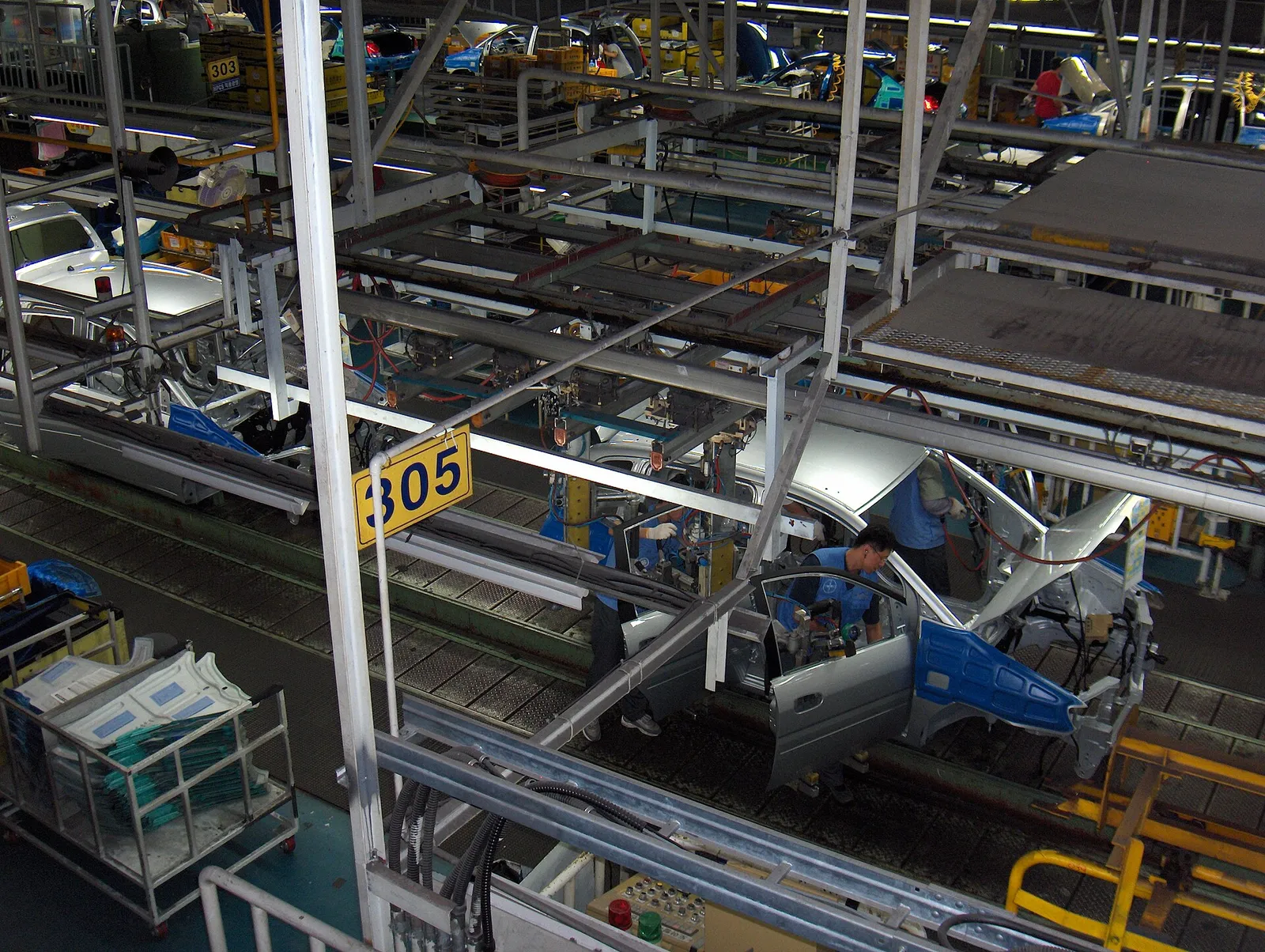
BMW is putting its money where the market is. The German automaker has completed a $1.7 billion investment to build electric vehicles in the United States, finishing the retooling of its Spartanburg, South Carolina plant and a companion battery factory, the company announced and Yahoo Finance reported.
What was built
The $1.7 billion splits into two projects: roughly $1 billion to convert the Spartanburg assembly plant to build EVs, and about $700 million for a new high-voltage battery-assembly plant in nearby Woodruff. BMW says it will start assembling its first all-electric SUV there in late summer, and aims to build at least six fully electric models in the US by 2030. It has also lined up battery-cell supply through a deal with Envision AESC, which is building its own plant in the state.
Why Spartanburg matters
This isn't a side project. Spartanburg is BMW's largest plant anywhere in the world and one of the biggest vehicle exporters in the US, employing roughly 11,000 people and building BMW's popular X-series SUVs since the 1990s. Turning it toward electric vehicles is a major commitment to a single site — and a signal of how central the US market is to BMW's plans.
Why now: tariffs and localization
The timing is no accident. Two forces are pushing the investment:
- Trade policy. Foreign automakers face tariffs on cars shipped into the US, so it's increasingly cheaper to build where you sell. Local production also helps vehicles qualify for US incentives. This "localization" push — making products in the market that buys them — is the same reshoring theme Boursel has tracked across industries amid the tariff era.
- BMW's EV targets. The company has set ambitious electrification goals, and it needs US-based EV and battery capacity to hit them.
BMW is far from alone: Tesla, Volkswagen and Hyundai have all poured money into US EV and battery plants, as the industry races to localize supply chains.
The catch: EV demand is lukewarm
There's a tension here. US EV demand has been growing slowly — buyers are deterred by high prices and patchy charging — so BMW is adding electric capacity into a market that remains hesitant. Automakers are pressing ahead anyway, betting that regulatory mandates, long product cycles and the need for battery scale make the shift inevitable regardless of any single year's sales. It's a bet on the next decade, not the next quarter.
Why it matters
For BMW, finishing the build-out removes a strategic risk: it now has dedicated EV manufacturing inside its biggest market, insulated from tariff swings and positioned for any pickup in US electric demand. For South Carolina, it deepens the state's role as an auto-and-battery manufacturing hub (Envision's nearby plant adds to that). And for the broader story, it's a concrete example of how tariffs and trade policy are physically relocating production — pulling factories and supply chains toward the markets that consume the goods. Boursel offers no view on BMW's stock; the takeaway is that one of the world's premium carmakers has decided the safest place to build its American EVs is America itself.