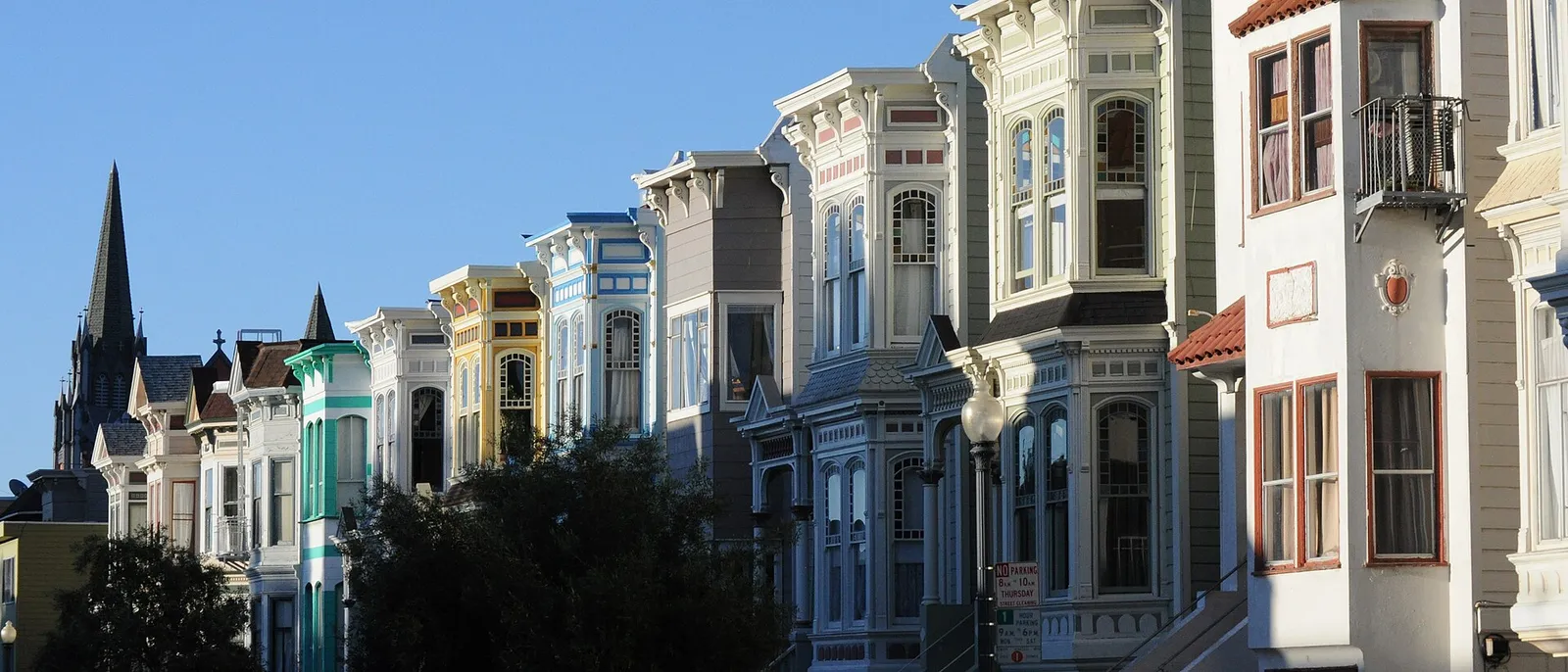
San Francisco is living through a housing boom with a very specific engine: the fortunes being minted at its artificial-intelligence companies. The city's median home price reached a record $2.15 million in the spring, up about 18% from a year earlier, with condo prices rising even faster, as money generated by AI startups floods the market, Bloomberg reported, citing figures from the brokerage Compass.
Where the money comes from
The wealth is unusually concentrated and unusually liquid. San Francisco is home to OpenAI and Anthropic, among the most valuable startups in the world, and their employees are being paid on a scale that turns into home-buying power. OpenAI pays an average of about $1.5 million a year per employee in stock-based compensation, the highest on record for a tech startup, Fortune reported.
Crucially, a lot of that equity is becoming cash. Private "tender offers", in which a company arranges for employees to sell some of their shares, and the prospect of eventual public listings have let AI workers convert paper wealth into down payments, or all-cash offers. In a housing market where a buyer who does not need a mortgage has a decisive edge, that is a powerful force.
A lopsided market
What makes this boom distinctive is how uneven it is. The surge is concentrated at the top: sales of the most expensive homes have jumped, while demand from AI-sector buyers clusters in and around the neighborhoods closest to the industry. At the same time, the lower end of the market has softened. Redfin data has shown luxury prices in the area climbing while cheaper homes fall, a split that captures a city pulling apart by price tier.
That divergence also explains a paradox. San Francisco spent the early 2020s known for an exodus of people and companies, and its population is still below the pre-pandemic peak. Yet at the high end, prices are setting records. A relatively small number of very well-paid buyers can move the top of a supply-constrained market even when the overall population has not fully recovered.
Why it matters
For the wider economy, San Francisco is an early, extreme test of what happens when a single booming industry concentrates enormous wealth in one place. The benefits are real, spending, tax revenue, a reversal of the doom-loop narrative, but so are the costs. Households not attached to the AI windfall, including many earning solidly six-figure salaries, are being pushed further from the market, worsening an affordability crisis that was already among the nation's worst.
There is also a cyclical warning in the story. Prices tied this closely to one sector's equity wealth rise with it and can fall with it. Much depends on whether the AI companies keep growing, whether their long-awaited public listings arrive, and on how the broader market values them when they do. For now, the AI boom is reshaping who can afford to live in San Francisco, and doing it fast. This article is informational and not investment or financial advice.