Nevada regulators approved the largest robotaxi authorization yet granted in the United States on Thursday. The Nevada Transportation Authority voted unanimously to permit Tesla up to 5,000 vehicles, Waymo up to 1,000 and Uber up to 1,000, with deployment spread over a 12-month window in Clark County, which contains Las Vegas. Adding the 100 vehicles Amazon's Zoox already holds a permit for takes the county's authorized ceiling to roughly 8,000 driverless cars.
Uber's allowance is not for Uber-built vehicles. It covers cars supplied through its partnerships with Hyundai-backed Motional and with Zoox, which is the pattern of Uber's autonomous strategy generally: own the demand, rent the hardware.
A ceiling is not a fleet
The most useful thing said at the hearing came from Tesla. Eric Early, chief engineer for the company's purpose-built Cybercab, told the authority that "the 5,000 has always been a ceiling for us" and that the constraint is not the technology. He said Tesla would be "extremely happy and satisfied" to reach around 2,500 vehicles within the year.
That gap between permission and delivery is the whole story of commercial autonomy so far. Building the vehicles, validating them on local roads, and standing up the depots, cleaning, charging and remote-support staff that a driverless fleet needs takes far longer than a regulatory vote.
Tesla is also starting from a much smaller base than the headline number implies. Its earlier interim permit, granted on July 27, covered just 10 vehicles, confined to a geofenced stretch of the Las Vegas Strip at a maximum of 45 mph, with no pickups at Harry Reid International Airport even though Tesla had asked for them. Every car had to be labelled as a robotaxi, riders had to be told they were in a driverless vehicle, and trips required human supervision.
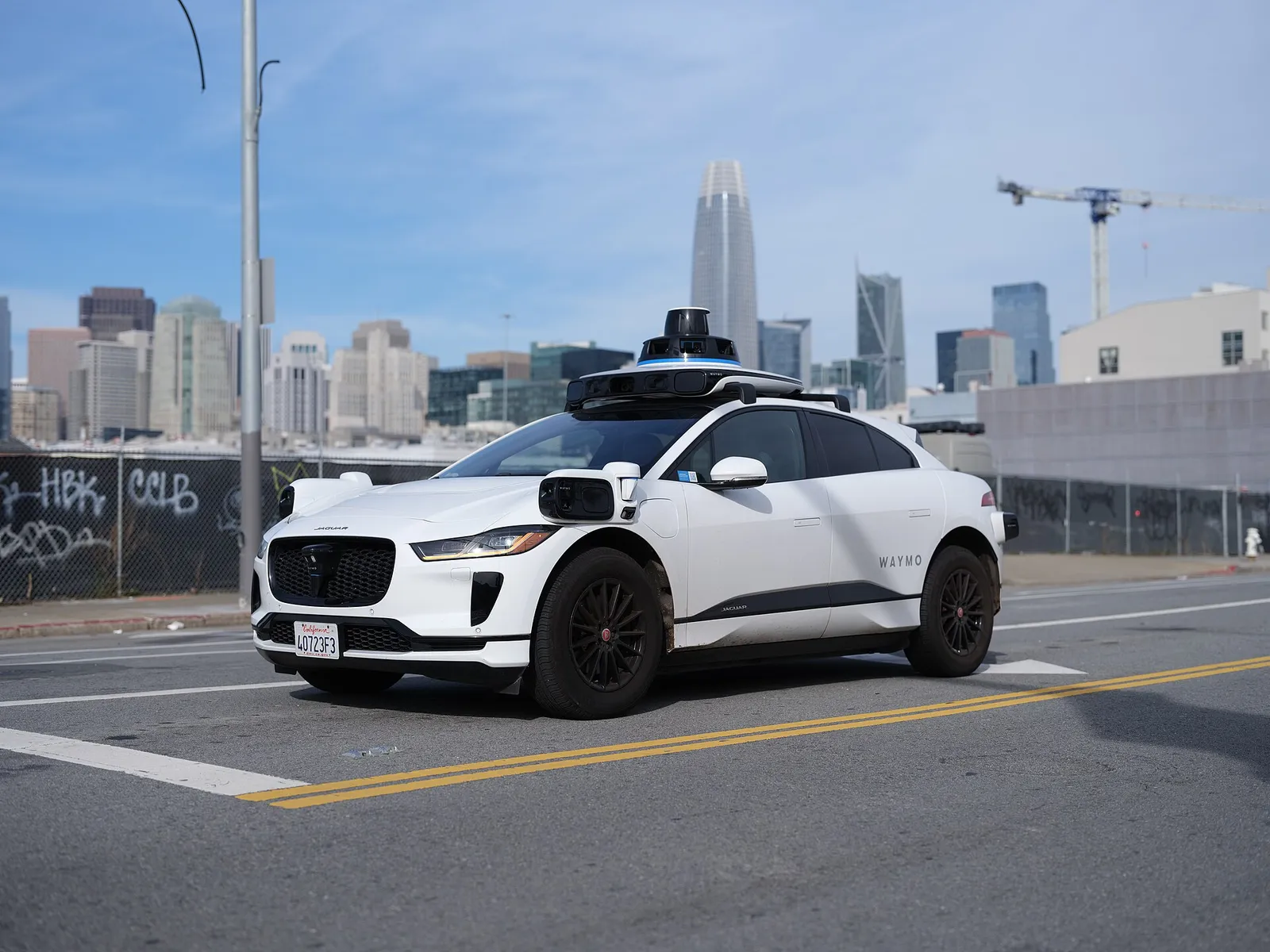
Waymo arrives in a different position. It began fully driverless operations in Las Vegas in early July, so its 1,000-vehicle permit expands a service that already runs rather than authorizing one that does not.
Why Las Vegas
Clark County is close to an ideal test market. Demand is dense, repetitive and concentrated on a few corridors between the Strip, the convention centers and the airport. Trips are short, mostly on wide and well-mapped roads, and visitors have no car of their own. Snow, the weather that has held autonomous deployment back in the Midwest and Northeast, is not a factor.
Nevada also has a permissive regulatory history on autonomous vehicles, which is why the state has drawn testing since the early 2010s.
The economics and the opposition
A driverless fleet replaces a variable cost, the driver's share of each fare, with a large fixed one: the vehicle, the sensors, the depot and the remote operations staff who monitor cars that get stuck. That trade only works at high utilization, which is why operators chase dense markets and why an 8,000-vehicle ceiling is a statement of ambition rather than a plan.
Local taxi and limousine operators objected on those grounds. The Livery Operators Association, represented at the hearing by Kimberly Maxson-Rushton, argued the permits risk saturating the market and adding congestion. That objection has been raised in every city where robotaxis have scaled, and it has not yet stopped one.
The number worth watching is not the 8,000 authorized this week. It is how many cars are actually carrying passengers in Clark County a year from now.