Apple is cutting more than 200 jobs, about 100 from the Vision Pro team and about 100 from Siri and the Intelligent Systems Experience group, the division responsible for putting AI into Apple's devices. Bloomberg reported the cuts first and Apple confirmed them, saying it is working "to evolve our business to deliver the best experiences for our users" and that while it will create new roles, the change "will also impact a limited number of existing roles."
Two hundred people is not a large number at a company of Apple's size, and the financial effect is negligible. The signal is not.
Why it is unusual
Apple has been notably reluctant to make formal reductions, even through periods when the rest of the industry cut deeply. Its normal instrument is a hiring freeze and attrition, which achieves the same headcount effect without an announcement. Choosing to do this publicly, and naming the teams, is a decision to be seen making a choice.
The two products
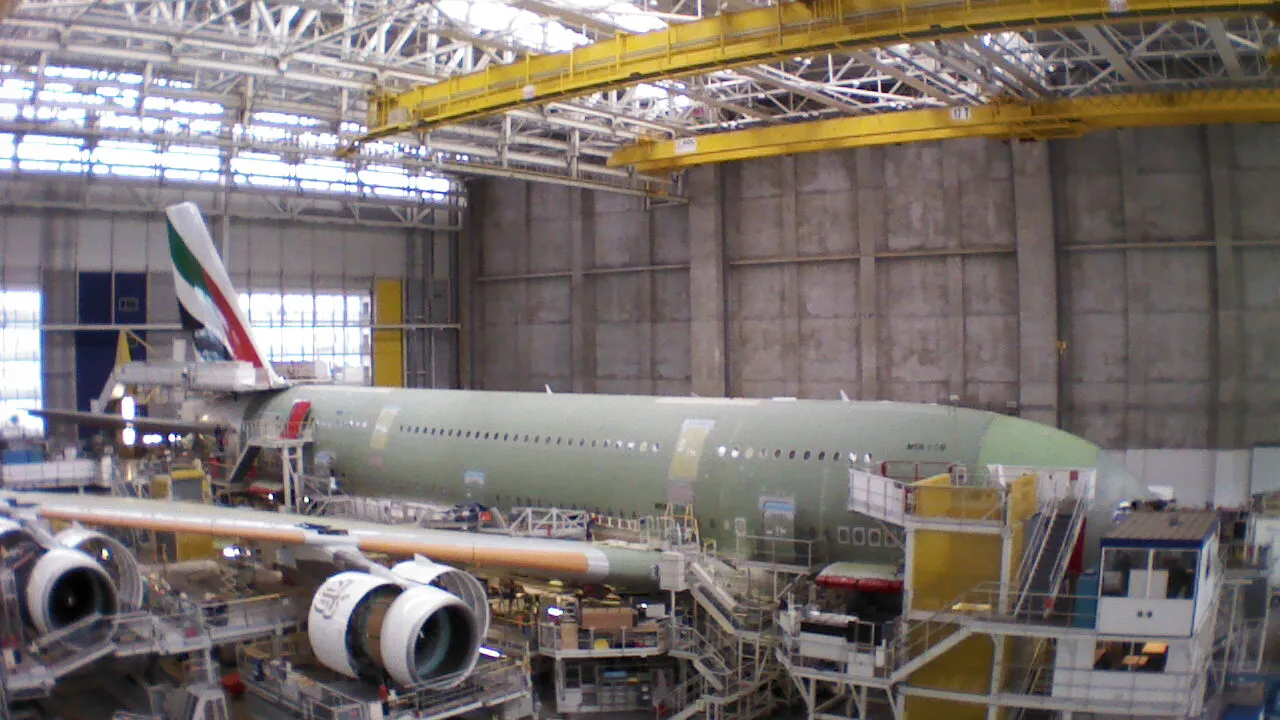
Vision Pro launched into an enormous amount of attention and has not sold in volumes that justified the manufacturing investment behind it. Apple has reportedly shelved a planned overhaul of the headset in favour of AI glasses, a lighter and cheaper category where Meta has been shipping product for several years. Boursel reported earlier this summer that Apple lost its Vision Pro hardware chief to OpenAI, which was a signal of the same reassessment from the other direction.
Siri is the harder problem. Apple has spent two years promising a rebuilt assistant, has shipped less than it described, and is competing against systems that improve on a quarterly cadence. Cutting a hundred roles from the group responsible for that is not obviously a way to catch up, unless the roles being cut belong to an approach the company has decided to abandon.
That is the most plausible reading, and it is the one worth watching for confirmation. Reorganisations that cut and hire simultaneously usually mean a technical direction has been settled, and the people attached to the losing approach are the ones who go.
What it says about the strategy
Apple's position in AI is genuinely difficult, and it is not a matter of engineering talent or money.
The company's product promise is that computation happens on your device and your data stays there. The frontier models that make assistants useful are enormous, run in data centres, and improve by consuming interaction data at scale. Those two things are in tension, and every option Apple has involves conceding something: run other people's models and lose control of the experience, run smaller models on-device and ship something visibly weaker, or build the data-centre capability itself and spend at a scale the AI-debt market has spent this year absorbing from everyone else.
The cuts do not resolve that. They suggest Apple has decided which of the tensions it is no longer paying to hold open on two fronts at once.
The proportion
It is worth keeping the scale in view. Apple remains one of the most profitable companies in the world, and neither Vision Pro nor Siri determines its earnings. What they determine is whether Apple has a position in the platform shift that every one of its competitors is spending tens of billions to secure.
That is why 200 jobs at this company is a story, and 200 jobs at most others would not be.