Nvidia announced a partnership with Cloverleaf Infrastructure on Friday and, according to Wall Street Journal and Reuters reporting relayed by TechCrunch, has taken a minority stake worth several hundred million dollars. Neither company disclosed terms.
Cloverleaf was founded in 2024 and raised $300 million that year from NGP and Sandbrook Capital. Its business is not building data centers. It is the intermediary between utilities and data centers: finding, securing and delivering the electricity and grid connection that a site needs before anything can be built on it.
Why power, and why now
Because power is what is actually scarce.
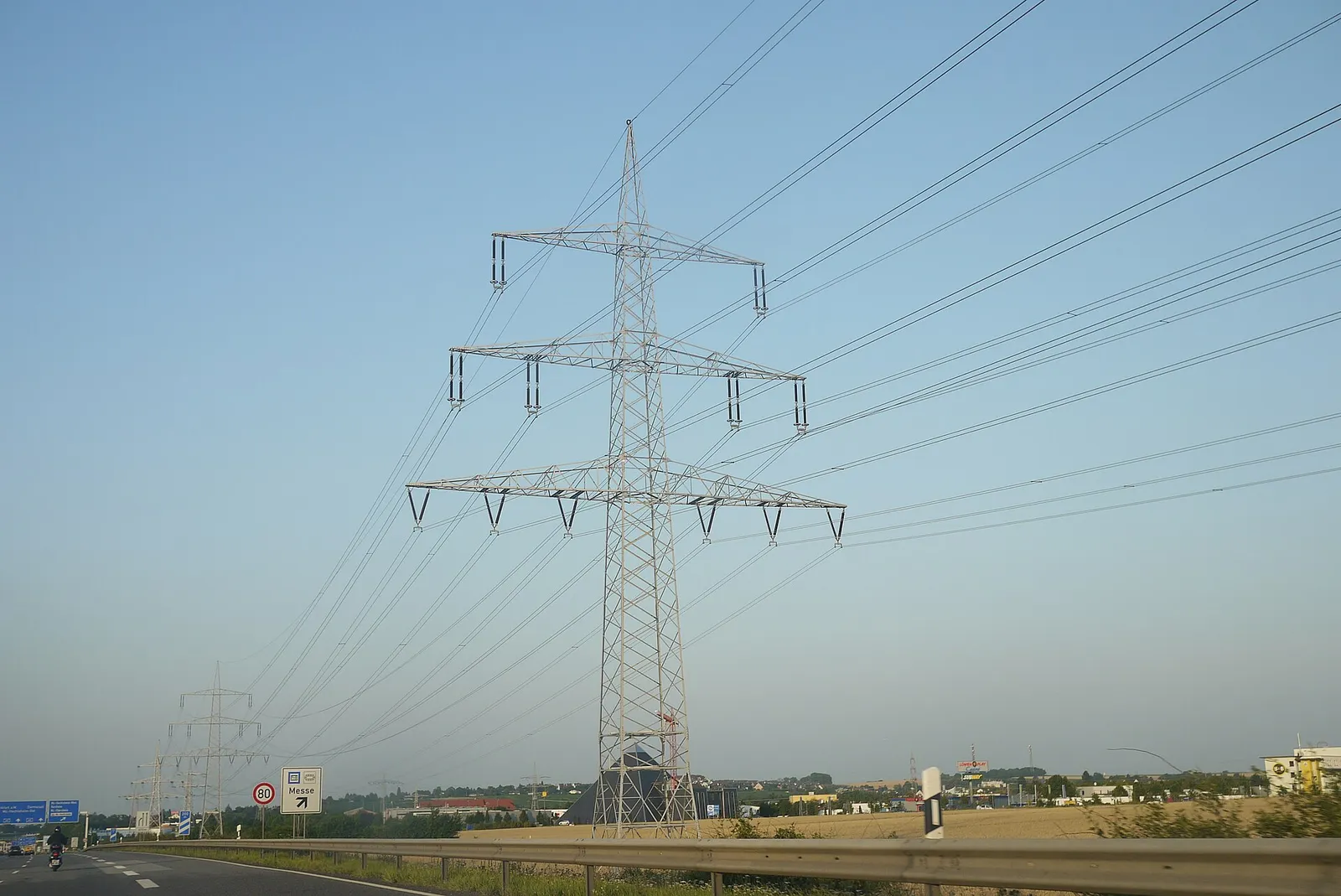
The bottleneck in AI infrastructure moved some time ago from chips to the conditions a chip needs to run. A large facility requires hundreds of megawatts, a grid connection that a utility may take years to provide, and in many jurisdictions the transmission capacity does not exist regardless of willingness to pay. Boursel has reported this constraint from several directions this week: it is what limits data-center expansion in Southeast Asia, and it is one of the reasons the AI build-out has moved into the bond market so heavily.
A company that can shorten an interconnection queue is therefore selling something more constrained than a GPU. Nvidia taking a stake in one is a rational way to protect its own order book.
The structure investors watch
This is the third or fourth version of the same move. Nvidia has put capital into cloud providers that buy its chips, into model developers that rent that capacity, and earlier this week $1.5 billion into SB Energy, an OpenAI-linked project in Ohio. TechCrunch characterises the pattern as Nvidia using its profits to sustain the build-out that then buys its systems.
Nothing about that is improper, and it is worth being precise about what the concern actually is. When a supplier funds its customers, revenue becomes harder to interpret, because some portion of it originated as the supplier's own capital. Analysts have a name for the general shape, vendor financing, and a long memory of it from the telecoms build-out of the late 1990s, when equipment makers lent buyers the money to buy equipment and the receivables outlasted the demand.
The differences here are real and worth stating. These are minority equity stakes rather than loans against purchases, Nvidia is funding them from enormous operating cash flow rather than debt, and the assets involved are power infrastructure with value independent of any particular chip generation. That is a materially better structure than the one that failed in 2001.
What it shares with that episode is the interpretive problem. The more of the ecosystem a supplier owns, the harder it is for anyone outside to distinguish demand from placement.
The timing
Nvidia reports second-quarter results on Wednesday, and the market's attention will be on whether the outlook holds. The company guided to about $91 billion in revenue and the consensus sits just inside that range, which means the number to watch is the commentary rather than the beat.
Against that, an investment in the electricity supply chain reads as a company protecting a runway it can see narrowing, not because customers want less, but because the physical world is slower than the order book.
Whether that is prudence or circularity is the question the disclosure does not settle. It is worth asking how much of the demand Nvidia reports is supported by capital Nvidia supplied, and the answer is not currently visible from outside.