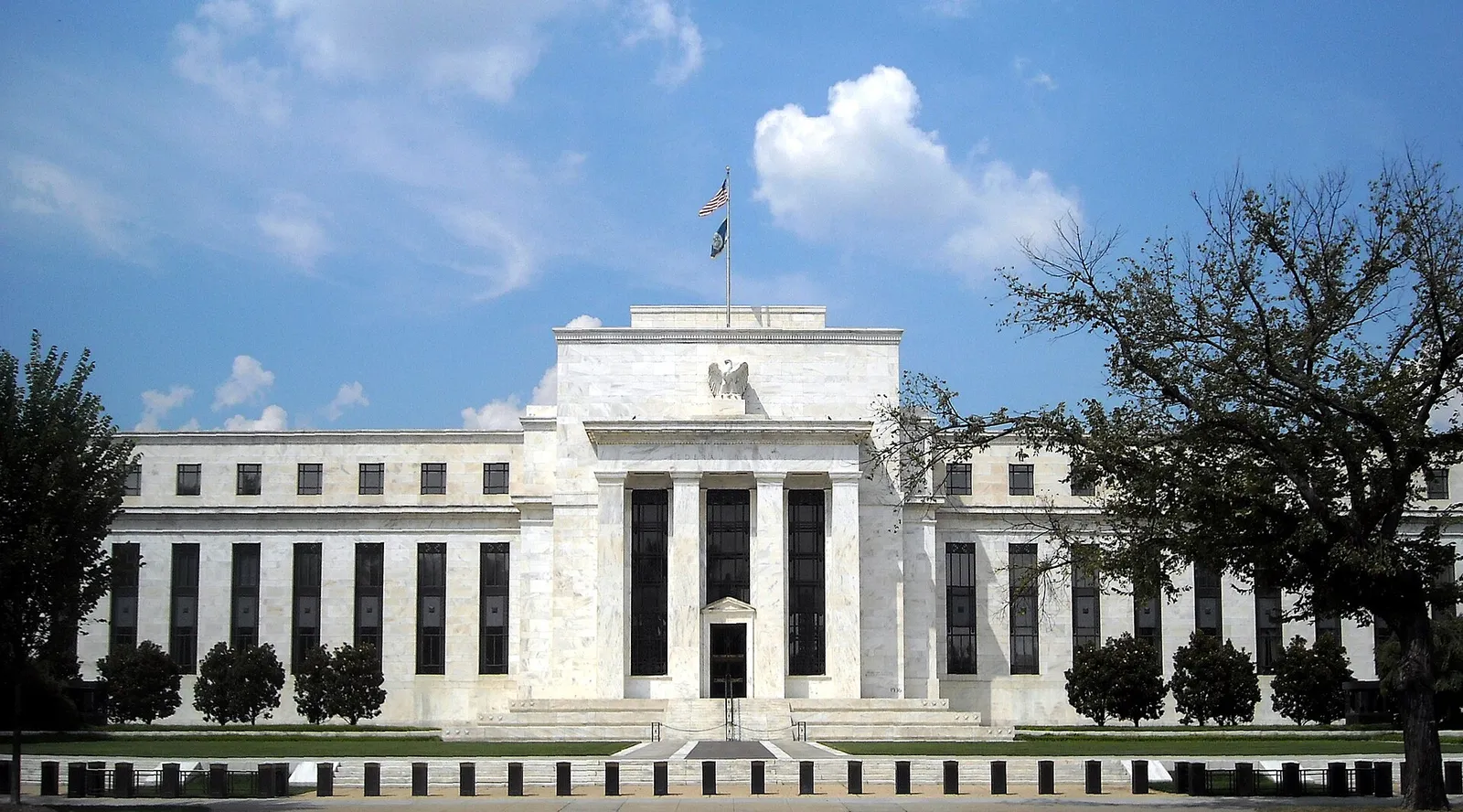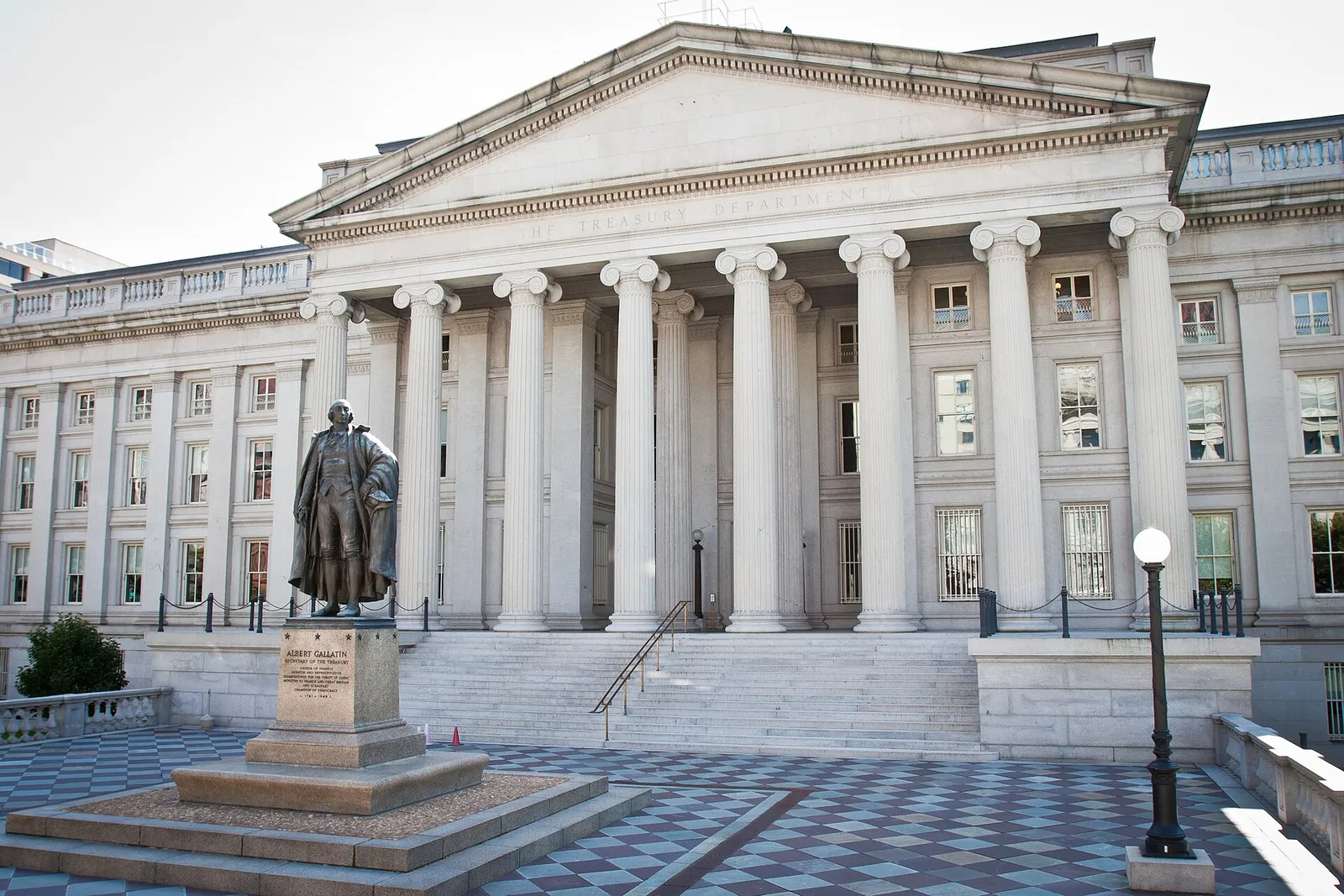
The US Treasury will set out its new sanctions on Iran on Monday at 2pm Eastern, and Treasury Secretary Scott Bessent has promised the toughest in history. The design matters more than the adjective: these are secondary sanctions, which do not principally restrict Iran but penalise anyone who transacts with it.
For oil, that means China, which takes more than 80% of Iran's shipped crude on 2025 tracking data.
Why the target is the buyer
Direct sanctions on a producer are easy to evade if someone will still buy. The barrels move through intermediaries, get relabelled, and trade at a discount that compensates the buyer for the legal risk. That has been the pattern for Iranian oil for years.
Secondary sanctions attack the discount rather than the barrel. They tell a refiner in Shandong that buying Iranian crude puts its access to dollar clearing and to US financial infrastructure at risk. The question stops being whether the oil is cheap enough and becomes whether the buyer can afford to be cut off from the financial system that most of its other business runs through.
That is a much harder calculation to make, which is why this instrument works when direct sanctions do not, and also why it strains relations with the country being asked to enforce them.
The physical picture is ahead of the legal one
The striking detail is that the sanctions have not started and the flows have already collapsed.
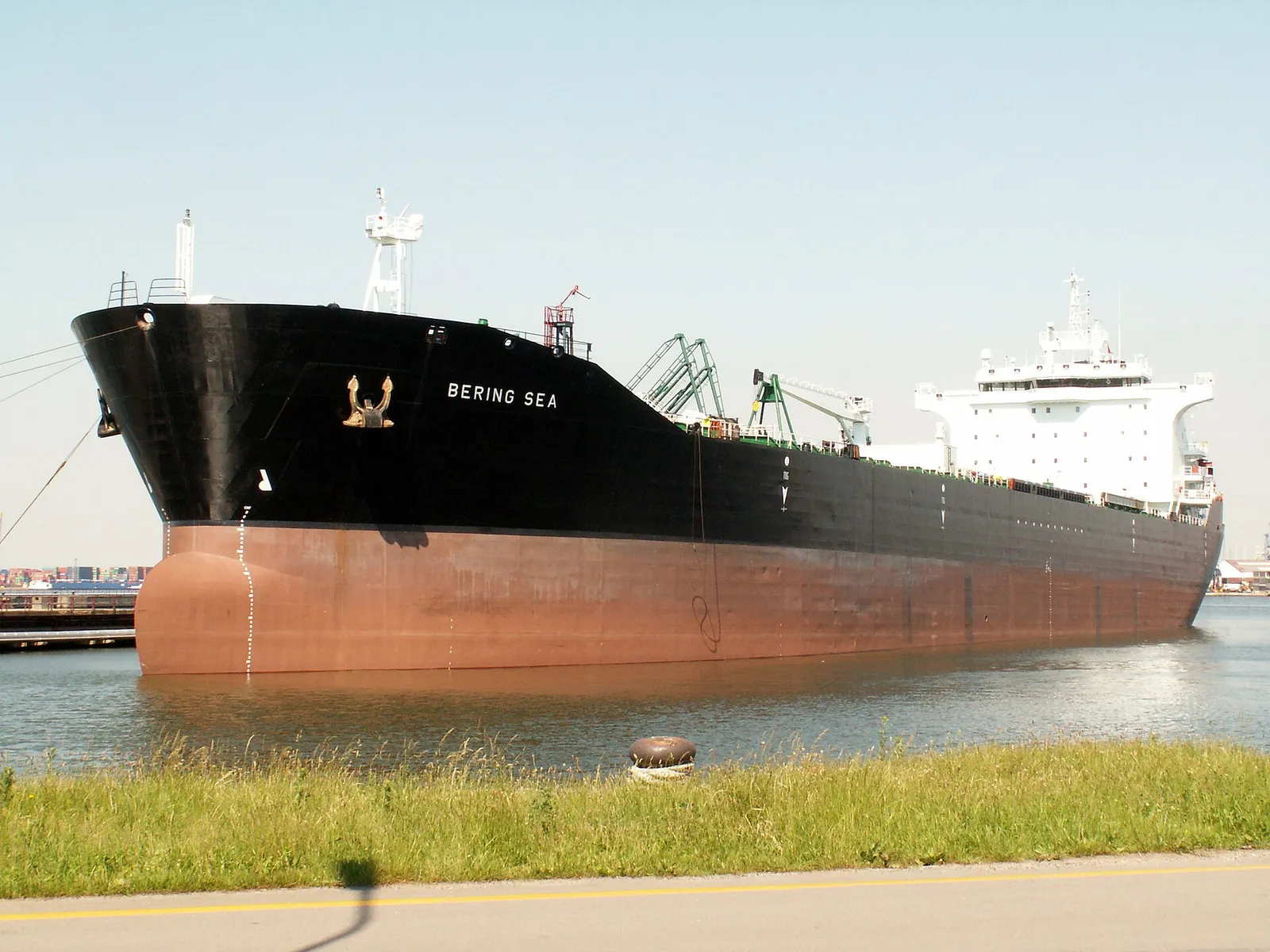
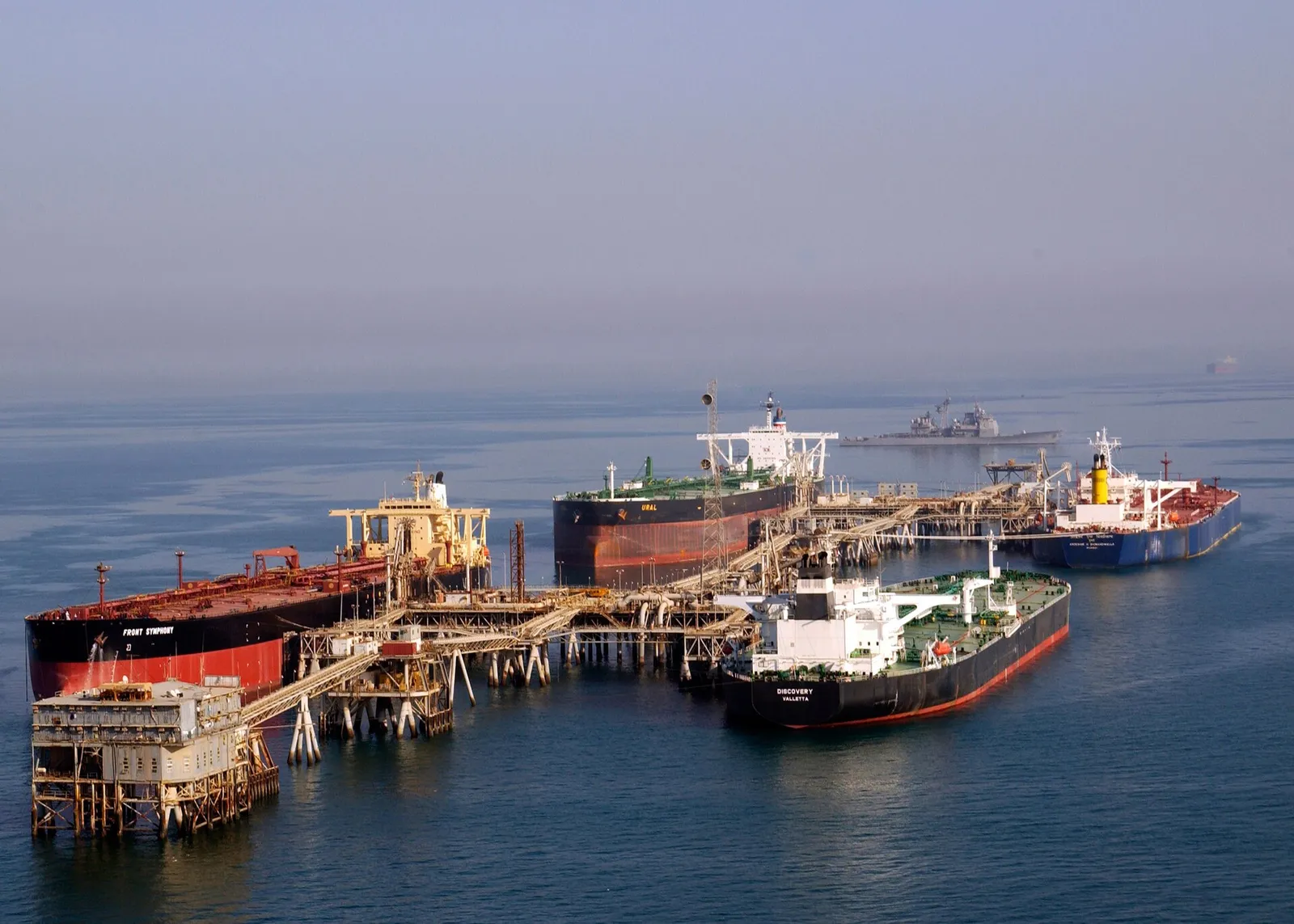
Traffic through the Strait of Hormuz has fallen to about 8 million barrels a day, from more than 20 million before the conflict, a reduction of roughly 60% in the artery that normally carries about a fifth of the world's oil consumption. On Thursday only four commodity ships transited the strait, and none of them was a large crude carrier or an LNG tanker.
Thousands of seafarers are stranded on hundreds of vessels, which is the part of this that rarely reaches the market commentary and is the immediate human cost of a closed chokepoint.
What it has done to prices, and what it has not
Brent is around $94, up about 39% on the year. That is a large move and it is smaller than the supply figures would suggest, because the market is pricing a disruption it expects to be temporary against inventories and spare capacity elsewhere.
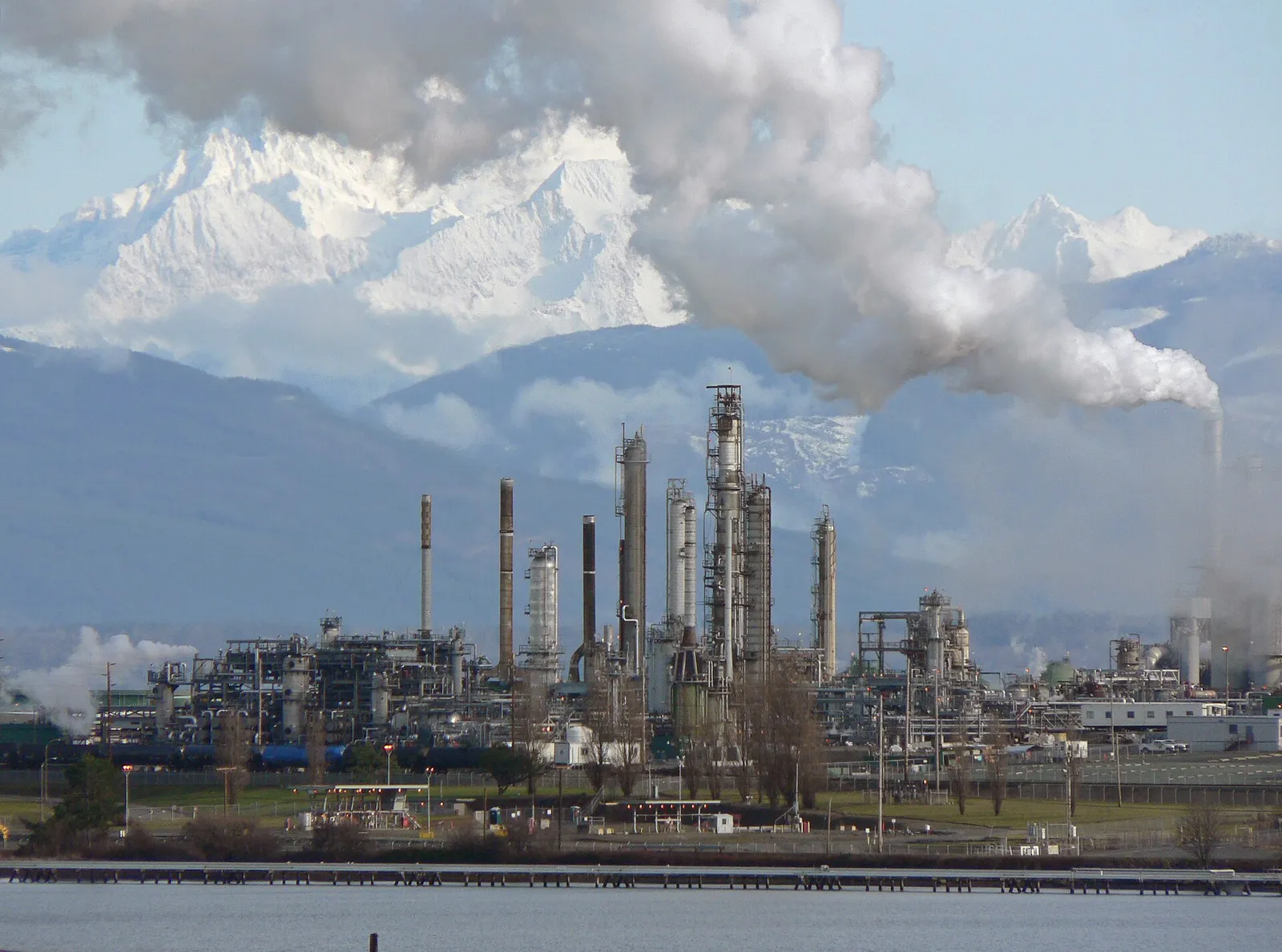
The pass-through is clearest in refined products, which is where the physical shortage actually bites. US retail diesel is $5.454 a gallon against $3.713 a year ago, and refining margins are at records. If the strait stays this thin, that is the channel through which the conflict reaches households and freight costs, rather than through the crude price itself.
The positions, briefly
Iran's foreign ministry spokesman Esmaeil Baghaei said secondary sanctions "find no foundation in international law". President Trump said the Iranians "would love to make a deal, but they're not ready to make the right deal, in my opinion."
Iran's own messaging has not been uniform. Its chief of staff, Major General Ali Abdollahi, promised "crushing, punishing and devastating responses", while President Masoud Pezeshkian said it "would be better to end the war today, when we are powerful and have dignity", and the parliament speaker, Mohammad Baqer Qalibaf, said that "no matter how much military power we have, we won't survive if people are hungry".
The same report puts the toll of the war's first day at 168 Iranian schoolchildren killed, and US losses at 18 military personnel killed and more than 750 wounded.
What to watch on Monday
Three things will tell you how much this bites. Whether the measures name specific Chinese refiners and banks or stay general. Whether they carry a wind-down period, which would signal an intent to negotiate. And whether Hormuz transit counts recover in the days after, which is the only figure here that is not a matter of interpretation.