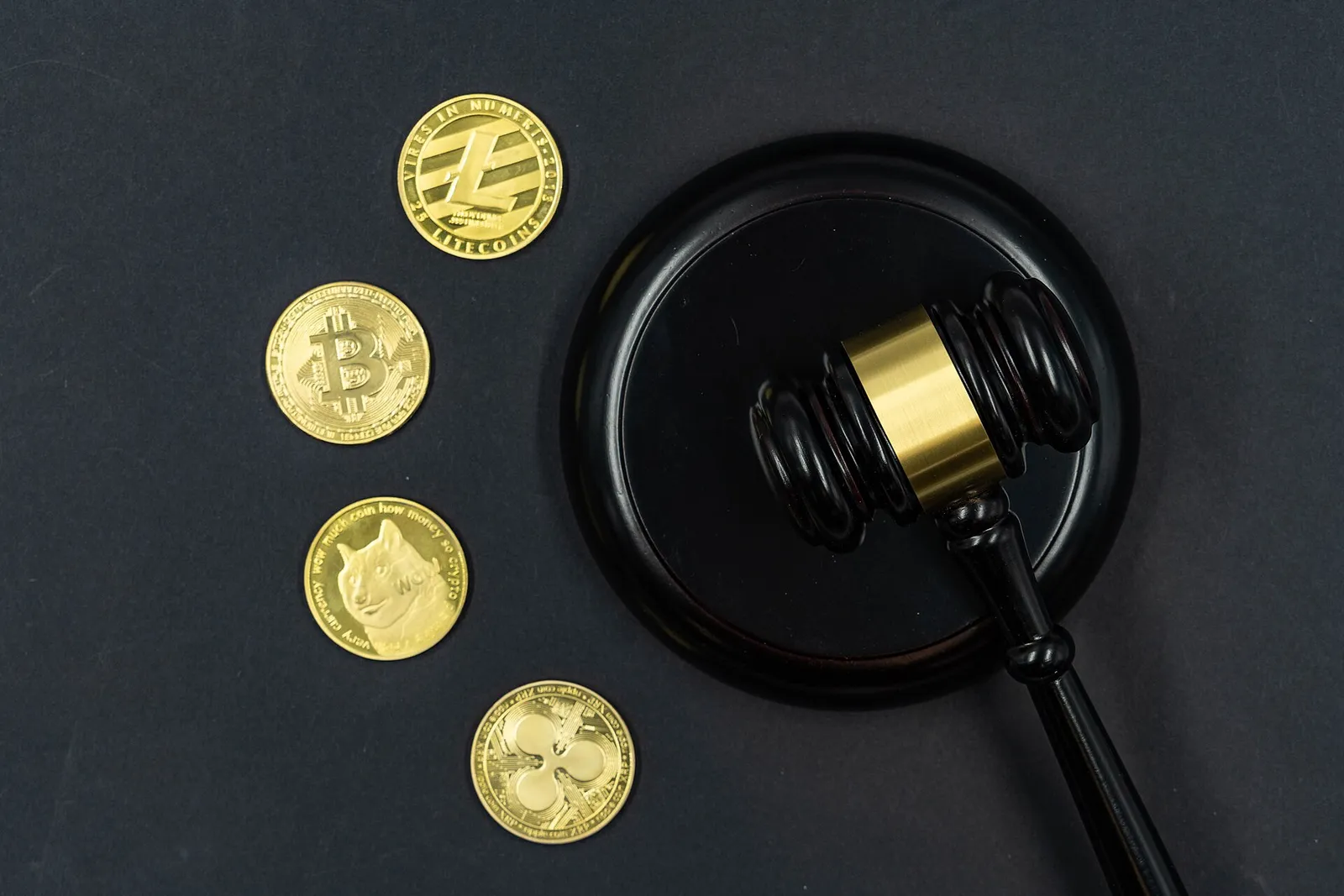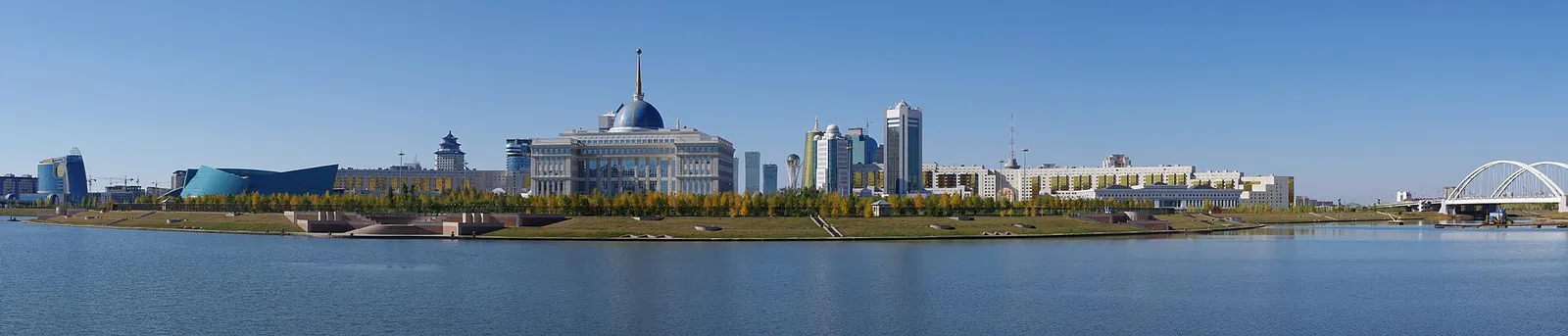
Kazakhstan wants to be a country where crypto is welcome. President Kassym-Jomart Tokayev has signed a decree aimed at accelerating the adoption of digital assets across the economy, Cointelegraph reported, a package of incentives designed to draw capital, miners and crypto businesses to the Central Asian nation.
What the decree does
The measures, developed with Kazakhstan's Ministry of Artificial Intelligence and Digital Development and other bodies, cluster around a few goals. Individuals who conduct digital-asset activity through licensed, regulated platforms would be exempted from personal income tax on the proceeds, a direct sweetener for participation. The decree also envisions using crypto and "stablecoins", tokens designed to track a stable value, in cross-border settlements to support imports and exports.
Crucially for a country built on hydrocarbons, it opens up energy for crypto mining. Gas from oil fields could be used to generate electricity for miners, and a "70/30" arrangement would give data centers and miners access to a large share, up to 70%, of newly built power-generation capacity. The government also wants holders who keep their assets abroad to bring them onshore to approved domestic providers, and to develop tokenized financial instruments and local trading infrastructure.
Two caveats are worth stressing. A decree sets direction; the detailed rules and timelines that determine whether it works still have to follow. And these are incentives to attract activity, not a finished, operating system.
Why Kazakhstan, and why now
Kazakhstan has an unusual history with crypto. After China banned Bitcoin mining in 2021, a flood of miners relocated to Kazakhstan, drawn by cheap, abundant energy; at its peak the country was one of the world's largest mining centers, at times ranking second or third by share of the Bitcoin network's computing power. But that boom strained the electricity grid, prompting power cuts, higher charges and tighter rules, and much of the mining capacity drifted away to cheaper jurisdictions.
The new decree reads as an attempt to win some of that back, on terms that capture more value for the state. Kazakhstan has been building a formal legal framework for digital assets, and this push pairs that structure with fresh incentives, betting that a mix of clear rules and cheap power can make the country attractive again.
Against the global grain
The timing is striking because the world is pulling in different directions on crypto. Only a day earlier, reports indicated that India's central bank was seeking to wall its banks off from crypto entirely. The European Union has imposed a strict, comprehensive licensing regime, while the United States has swung toward a friendlier stance under new leadership. Kazakhstan is planting a flag firmly on the accommodating end of that spectrum, trying to turn openness into an economic advantage.
Why it matters
For the crypto industry, Kazakhstan's move is a reminder that the global map is fragmenting into welcoming and wary jurisdictions, and that miners and exchanges will keep migrating toward the friendliest terms, especially the cheapest power. For Kazakhstan, the bet is that digital assets can become a genuine pillar of a modernizing, resource-rich economy rather than a fringe activity to be tolerated or restrained. The prize is capital and investment; the risk is repeating the strains that ended its last mining boom. Whether the decree delivers will hinge on the details still to come, and on whether the country can offer miners power without straining the grid that everyone else relies on. This article is informational and not investment advice.