On paper, Nike had a good quarter. Look closer, and the "beat" is doing a lot of quiet work.
The headline — and the catch
Nike reported fiscal fourth-quarter revenue of about $10.97 billion and earnings per share of $0.72, both above Wall Street's estimates (roughly $10.86 billion in revenue and far lower on profit), CNBC reported. But most of that profit beat came from a one-time benefit — a roughly $1 billion tariff-related recovery — rather than from selling more shoes. Strip it out, and the underlying quarter looks far softer: revenue was roughly flat to slightly down from a year earlier, and full-year sales showed no growth.
(Explainer: EPS is profit per share; a one-time item is a gain or cost that won't recur, so investors try to look "through" it to the ongoing business.)
Still a turnaround in progress
Nike remains in the middle of a fix-it effort under CEO Elliott Hill, who returned to lead the company. On the earnings call he was candid, saying Nike's "results aren't there yet" and framing the quarter as a "low point" of the turnaround, per the transcript. The company has been unwinding earlier missteps — leaning too hard on direct-to-consumer selling at the expense of wholesale partners, over-relying on classic sneaker franchises, and ceding ground to nimble rivals like On and Hoka. This quarter, its own direct-to-consumer sales shrank while wholesale ticked up — evidence of that strategy reset.
The soft spot remains China, long one of Nike's most important growth markets, where demand stayed weak and the company guided to a further sharp decline in the months ahead.
The tariff squeeze
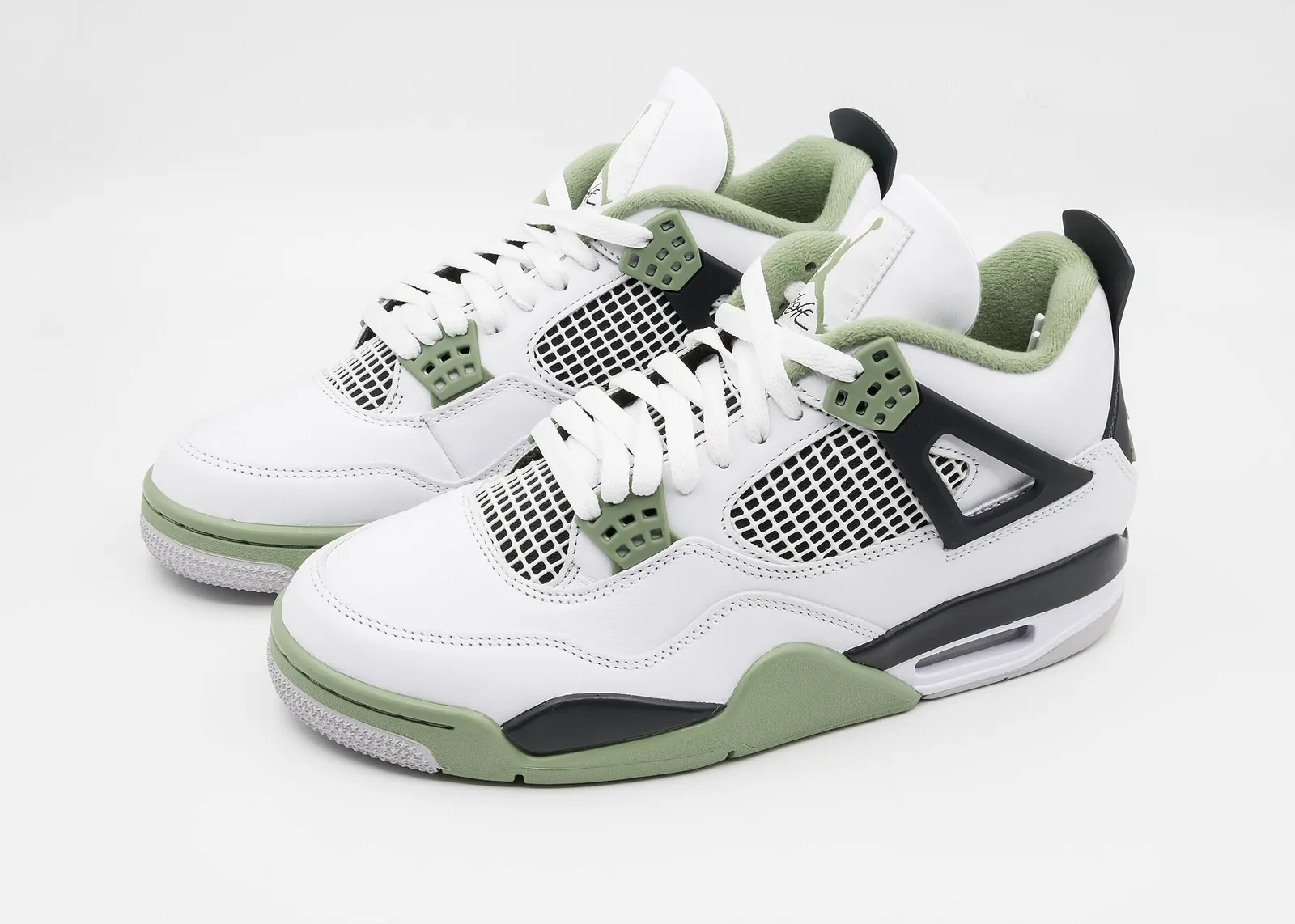
Tariffs cut both ways for Nike this quarter. The one-off benefit flattered the headline — but the ongoing cost is a real headwind. Nike makes the bulk of its shoes in Vietnam and Indonesia, both hit by steep new US import tariffs, and the company has pointed to a tariff hit on the order of $1 billion. Its response: shifting some production to lower-tariff countries and raising prices on some sneakers — which risks testing shoppers already cautious about spending.
The market's verdict
Investors weren't fooled by the flattering headline. Nike shares fell after the results as the market focused on the weak underlying sales and cautious China outlook rather than the reported beat. The stock has been a notable laggard over the past year.
Why it matters
For Nike, the quarter is a reminder that a turnaround takes time — and that an accounting one-off can't substitute for reigniting demand, especially in China. For investors and retail-watchers, it's a case study in reading past a headline "beat" to the quality of earnings. And for the wider economy, Nike sits at the intersection of two big Boursel threads: cautious consumer spending and the tariff era reshaping global supply chains and prices. Boursel offers no view on Nike's stock; the takeaway is that the swoosh beat the number — but mostly for the wrong reason, and the hard work of winning shoppers back is still ahead.