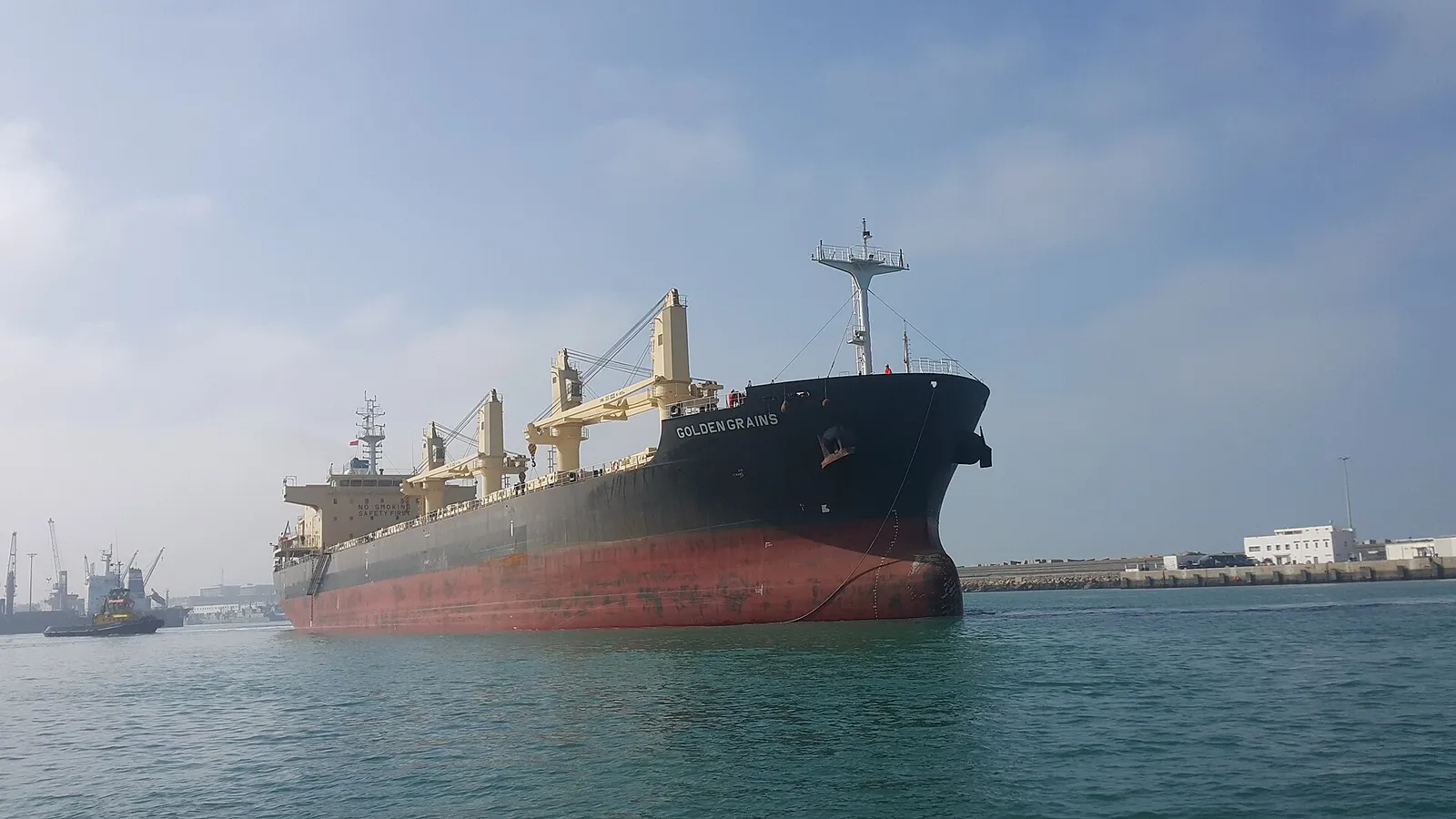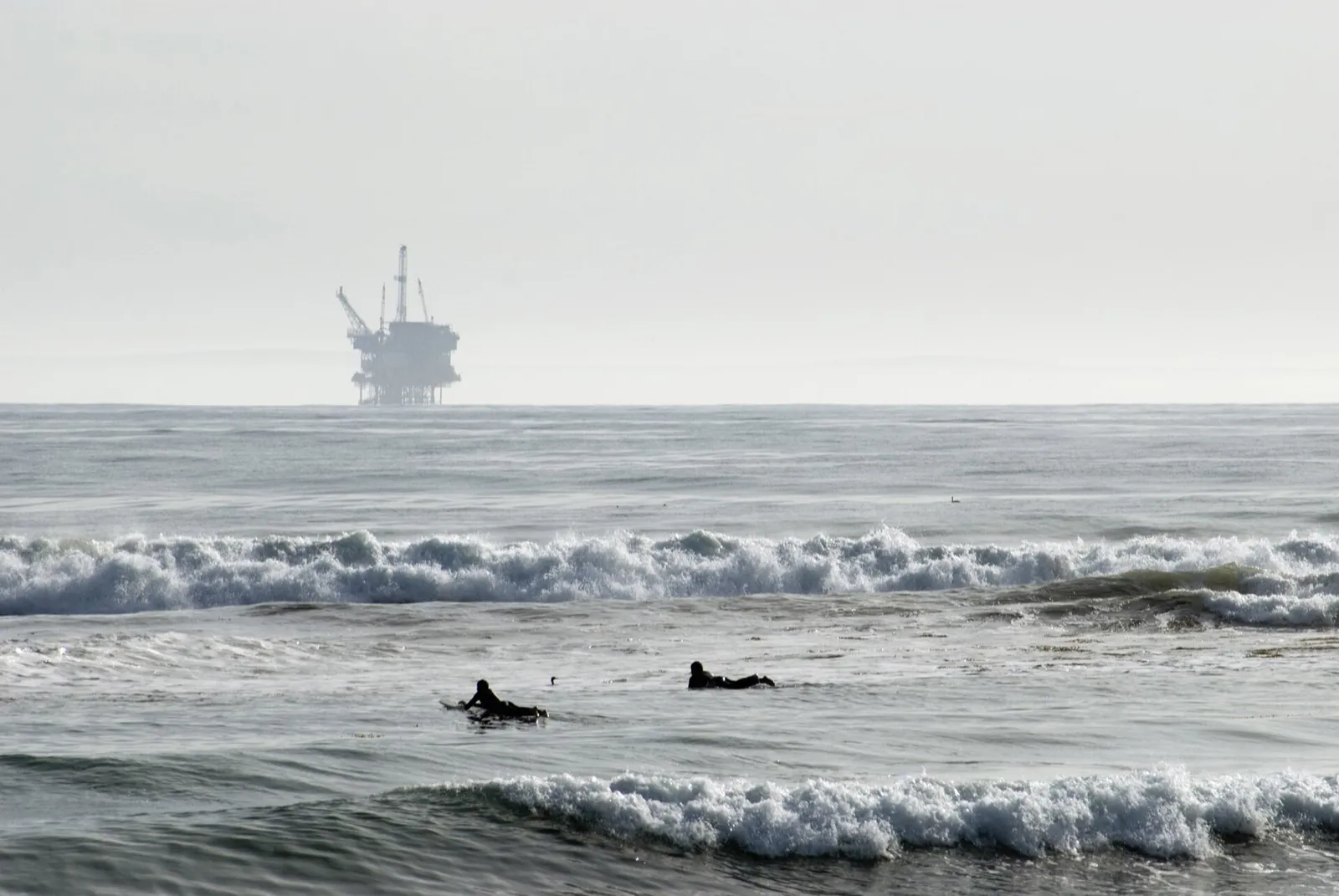
The offshore-drilling business, left for dead a few years ago, keeps signing billion-dollar deals. Transocean — the world's largest offshore-drilling contractor — has agreed to supply three rigs to Norway's Equinor, adding more than $1 billion to its backlog, the company announced.
The deal
The agreement covers three harsh-environment semisubmersible rigs — the Transocean Endurance, Enabler and Encourage — for work on the Norwegian continental shelf, totaling seven "rig-years" of drilling, pending regulatory approval. The base day rate is about $399,000, rising past $400,000 with adjustments once work begins. The Endurance is due to start in 2027, the other two in 2028.
(Explainer: Transocean owns and leases out offshore drilling rigs, charging oil companies a day rate — a fee per day to operate the rig. A semisubmersible floats on submerged pontoons for stability; "harsh-environment" rigs are built to drill year-round in the storms and cold of the North Sea. A "rig-year" is one rig working for one year.)
Why it signals a boom
The deal is a marker of how far the offshore cycle has turned. After a brutal, years-long downturn — when oil companies slashed offshore spending and rigs sat idle — demand has roared back. High-specification rigs in Norway are now essentially fully booked, and global utilization of these floating rigs is running high, Offshore Energy reported. Scarcity has pushed day rates sharply higher — hence the near-$400,000 figure. Equinor, for its part, is investing in offshore Norway, with a busy 2026 drilling program to sustain output from mature fields and tap new finds.
Backlog and debt
For Transocean, the value is visibility. The contract swells its backlog — contracted future revenue — which stood around $7.1 billion in recent filings. That matters because offshore contracts are long-dated (rigs are booked years ahead), giving the company predictable cash flow. Transocean, long weighed down by heavy debt from the last downturn, has been using that cash to pay it down — cutting debt substantially in 2025 and targeting more this year.
Why it matters
For Transocean, the deal deepens a recovery story: rising day rates and a fat backlog are steadily repairing a balance sheet battered by the bust. For the energy market, it's another sign that oil majors are selectively investing in high-return offshore barrels even amid the energy transition — the same disciplined-spending impulse behind Shell's recent Gulf-of-Mexico sale that Boursel covered. And for investors, offshore drilling — one of the most cyclical corners of energy — looks to be mid-upswing, though the cycle always eventually turns. Boursel offers no view on Transocean's stock; the takeaway is that the world still needs deepwater oil, and the rigs that drill it are, for now, in high demand and short supply.