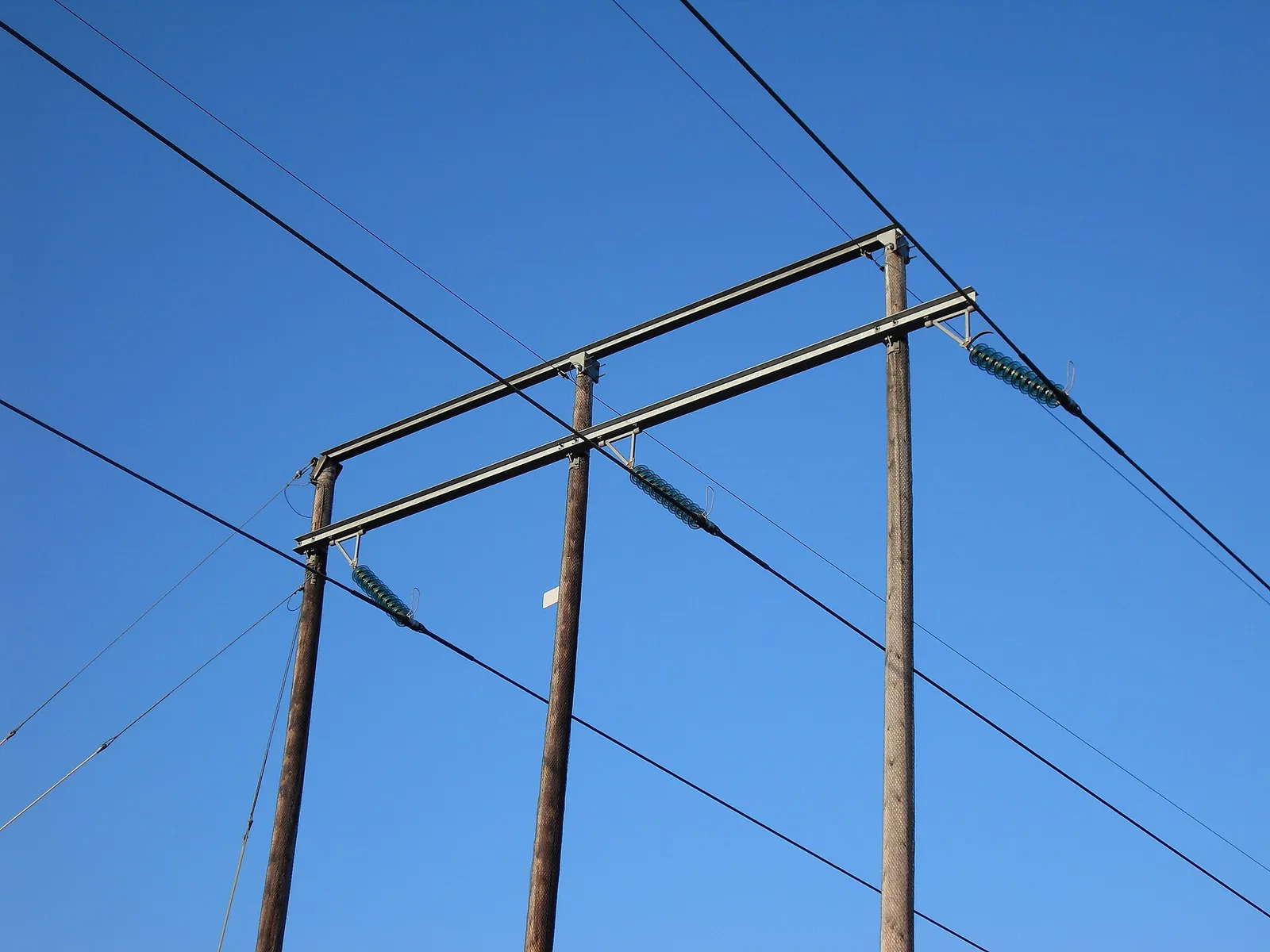
The US just took an emergency step to keep the lights on. The Department of Energy issued an emergency order for PJM Interconnection — the nation's largest grid operator, serving about 67 million people across 13 states — as a punishing heat wave threatened to drive electricity demand to record levels, Bloomberg reported.
What the order does
Using Section 202(c) of the Federal Power Act — a rarely-invoked emergency power — Energy Secretary Chris Wright authorized PJM to run power plants at maximum output, even beyond normal environmental limits, and to take last-resort steps to avoid blackouts, per the DOE. The order runs across the peak-heat days of July 1-2.
The most striking provision: PJM can curtail large data centers with their own backup generators — ordering them to switch to on-site power — as a last resort before cutting power to households.
(Explainer: a grid operator like PJM balances electricity supply and demand across a region in real time; peak demand is the moment consumption is highest — here, a hot afternoon with air-conditioners everywhere running at once.)
Why the grid is on the edge
The trigger is heat: PJM forecast demand approaching 163,000 megawatts, near its all-time record set back in 2006, as temperatures neared the mid-90s Fahrenheit — with some generators already offline for maintenance.
But the deeper story is structural. After two decades of flat US electricity demand, consumption is surging again — and the biggest driver is the AI data-center boom, alongside broader electrification. Those energy-hungry computing hubs are straining a grid that wasn't built for fast growth. The strain shows up in prices: in PJM's most recent capacity auction (which pays generators to be available), prices soared — from roughly $29 per megawatt-day to about $329, the energy think tank IEEFA noted — a jump analysts largely attribute to data-center demand, and one that flows through to household bills.
The trade-off
Emergency orders like this spark a real debate:
- Reliability advocates — including grid regulators — say they're essential: blackouts in extreme heat can be deadly and knock out hospitals and water systems.
- Critics — environmental groups and some state officials — counter that the orders prop up aging fossil-fuel plants and waive pollution limits on smog-heavy days, adding costs that ratepayers ultimately bear, rather than fixing the underlying supply shortage.
Why it matters
For households, it's a warning that summer heat can now push the grid to its limit — and that electricity bills are climbing as demand outruns supply. For the AI industry, the data-center-curtailment clause is a milestone: the very buildout powering the AI boom is now first in line to be switched off when the grid is stressed, a sign that power — not chips — may be AI's binding constraint, a theme Boursel has tracked. And for markets and policymakers, it underscores an enormous coming need for investment in generation and transmission. Boursel takes no side on energy policy; the takeaway is that after 20 flat years, US electricity demand is roaring back — and the grid, for now, is scrambling to keep up.