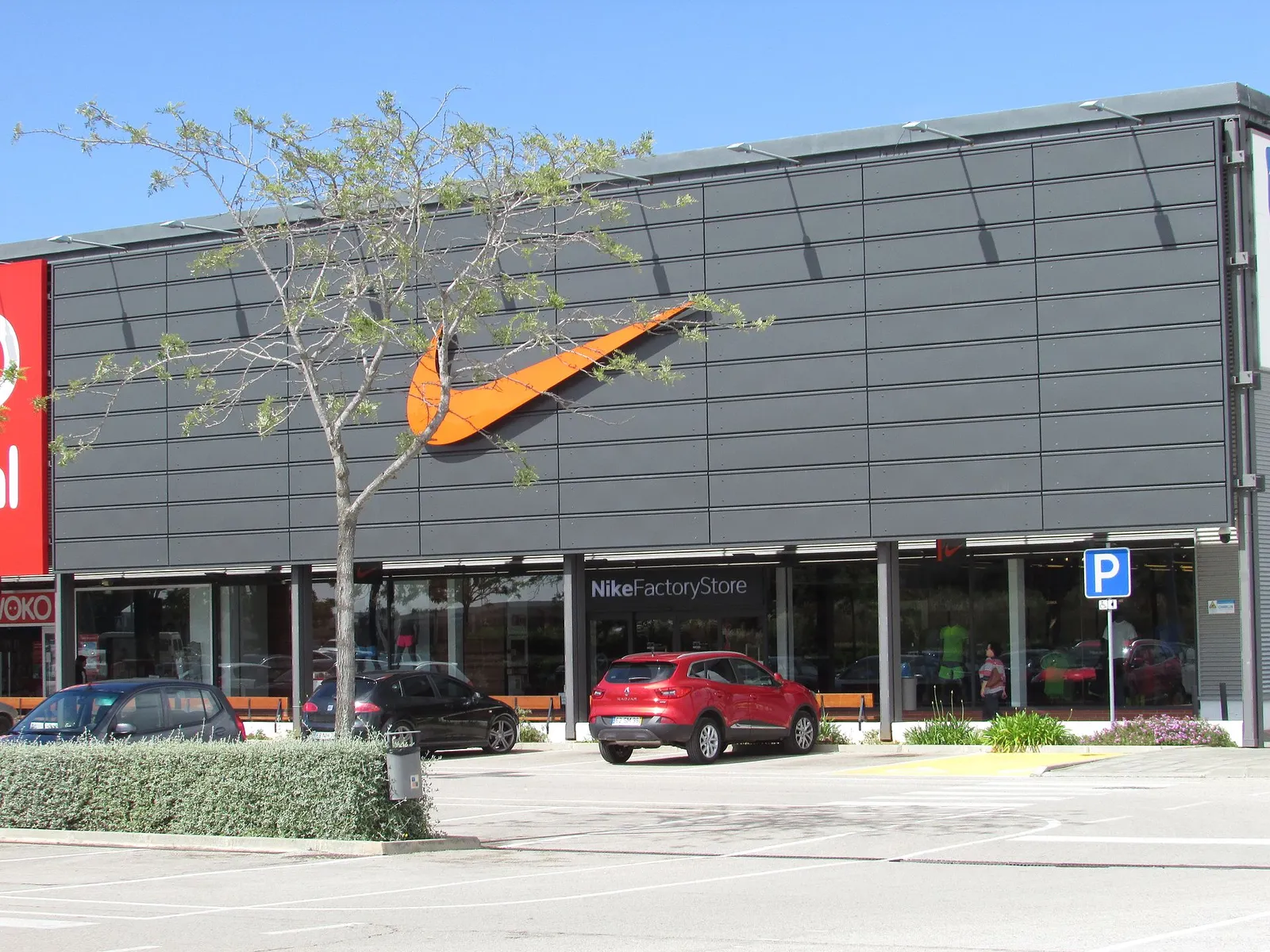
The world's biggest sneaker brand is wearing thin with investors. Nike shares have dropped to their lowest level in more than 11 years — down roughly a third in 2026 — as a pile-up of problems overwhelms what was once a reliable growth machine, Yahoo Finance reported.
What's dragging it down
The latest slide followed earnings that, oddly, beat on the bottom line but came with discouraging guidance: management signaled revenue would decline in the current quarter and flagged continued weakness in Greater China, where sales are expected to fall sharply. Wall Street punished the outlook rather than the quarter. Goldman Sachs cut its rating to neutral and slashed its price target, citing doubts about how fast Nike can stabilize.
China and the new competition
Two structural problems sit underneath the numbers. The first is China, long a growth engine, now a drag: a cautious consumer and aggressive local brands have eroded Nike's premium standing, and its sales there have been falling. The second is competition at home and in running: nimble newcomers like On and Hoka have taken share in the performance category Nike used to own, while Adidas has regained ground. By industry tallies, Nike's slice of the global athletic-footwear market has slipped for several years running.
The tariff squeeze
On top of that comes tariffs. Nike's supply chain is heavily concentrated in Asia, and new US import duties are a meaningful cost — estimated by industry trackers in the billions of dollars annually, a notable hit to gross margins, per Supply Chain Dive. Nike is responding by shifting production toward countries like Indonesia, the Philippines and Mexico and weighing price increases — but reshaping a global supply chain takes time, and raising prices is risky when shoppers are already trading down.
Why it matters
Nike is more than a sneaker company; it's a consumer bellwether. An 11-year low signals that the market has lost confidence not just in Nike's near-term recovery under CEO Elliott Hill's turnaround effort, but reads as a caution flag on discretionary consumer spending more broadly. The combination at work here — China weakness, tariff costs and disruptive competition — is the same trio squeezing other global consumer brands.
For investors, the open question is capitulation versus more pain: whether the stock has finally fallen far enough to reflect the bad news, or whether tariffs and a soft China will keep grinding. Boursel doesn't offer a view on the stock; what's clear is that turning around a brand this size, against these forces, is a multi-year project — and the share price now reflects how little patience the market has left while it waits.