Nvidia's chips get most of the attention, but the hardware around them matters just as much, and there the company has hit a snag. Its next-generation rack system, code-named Kyber, has been delayed by more than a year, to 2028, according to the research firm SemiAnalysis, as reported by CNBC. Nvidia has not publicly confirmed a new timeline, so this stands as a report rather than a company announcement.
What Kyber is
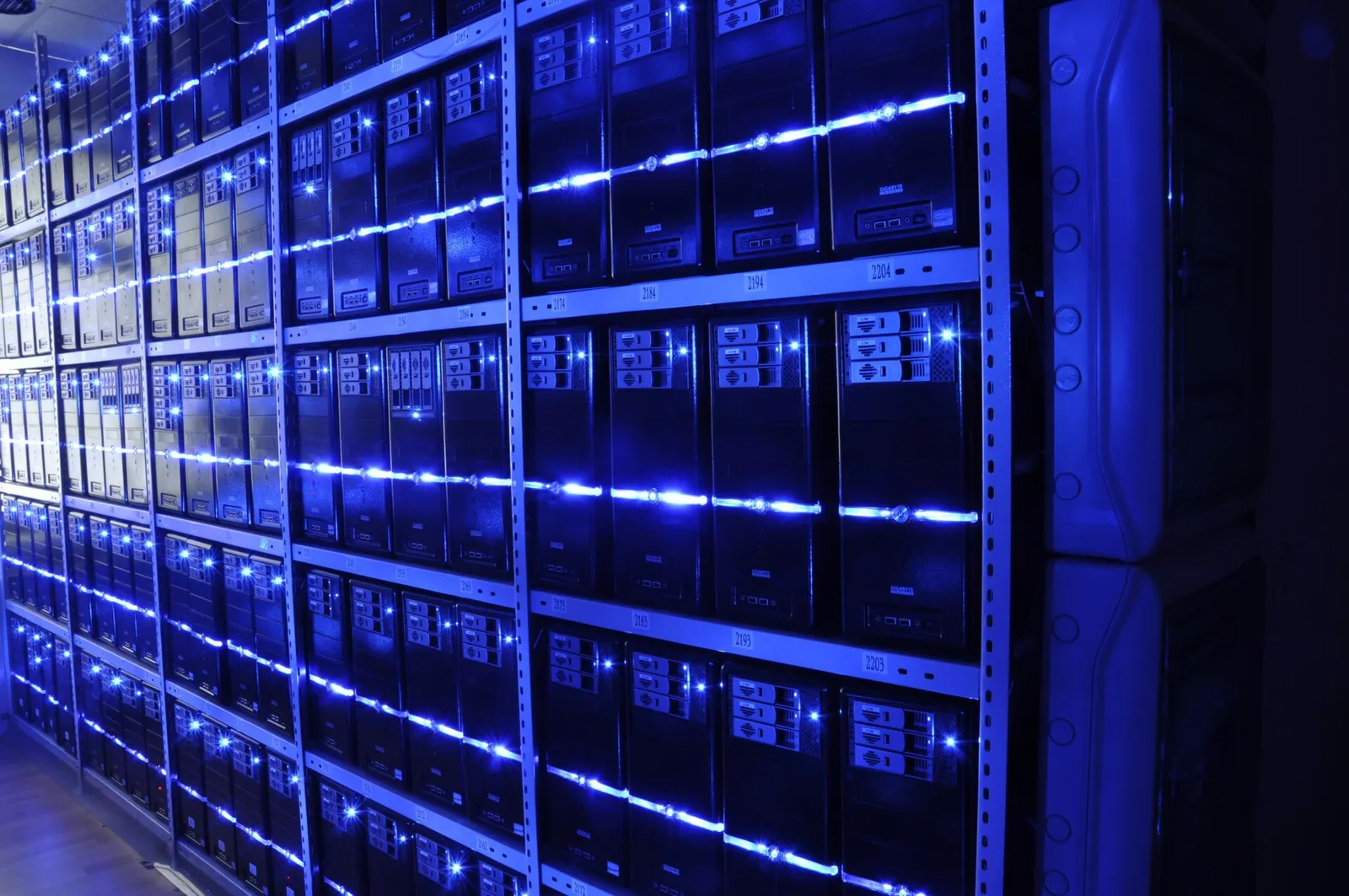
Modern AI computers are not single chips but whole cabinets of them wired to work as one. Kyber is Nvidia's design for the next such cabinet, built to pack 144 of its most powerful GPUs into a single rack that behaves like one giant machine, CNBC reported. It was meant to arrive in 2027 alongside Nvidia's coming "Rubin Ultra" chips, and the company's chief executive, Jensen Huang, showed it off at its GTC conference earlier this year.
What went wrong
The holdup, per SemiAnalysis, is not the chips but the plumbing that connects them. Kyber replaces the tangle of cables used in earlier racks with a single, large multi-layer circuit board, a "midplane," that links all the components together. Manufacturing that board to the required precision, while it carries huge amounts of power and data and sheds intense heat, has proven difficult, SemiAnalysis said. The delay of more than 12 months comes only months after Kyber was shown publicly, an unusually fast reversal.
Why it matters
Nvidia's customers are the giants of AI, the cloud and internet companies building ever-larger data centers, and they have been counting on each new generation of hardware to pack more computing power into the same space and power budget. A slip in the rack that houses the chips, rather than the chips themselves, pushes back that density gain.
It also opens a window for competitors. SemiAnalysis noted that Nvidia currently lacks a proven way to scale its most advanced Rubin Ultra systems, which could let rival designs from AMD and Google's in-house chips close some of the gap at the high end, according to SemiAnalysis. The report also rattled suppliers: shares of companies tied to the affected technology moved on the news, a sign of how closely the market tracks every twist in Nvidia's roadmap.
The bigger picture
The episode highlights a strain inside Nvidia's strategy. The company has promised to ship a new generation of AI chips every year, a punishing pace, but the surrounding systems, the racks, power delivery and cooling, are harder to reinvent on the same schedule. When the bottleneck moves from the chip to the cabinet, the whole roadmap can slow. For a company whose valuation rests on staying a step ahead, executing on the unglamorous engineering around its chips is as important as the chips themselves. Nvidia has room to adjust, but the report is a reminder that even the AI era's dominant supplier is bound by the limits of manufacturing.