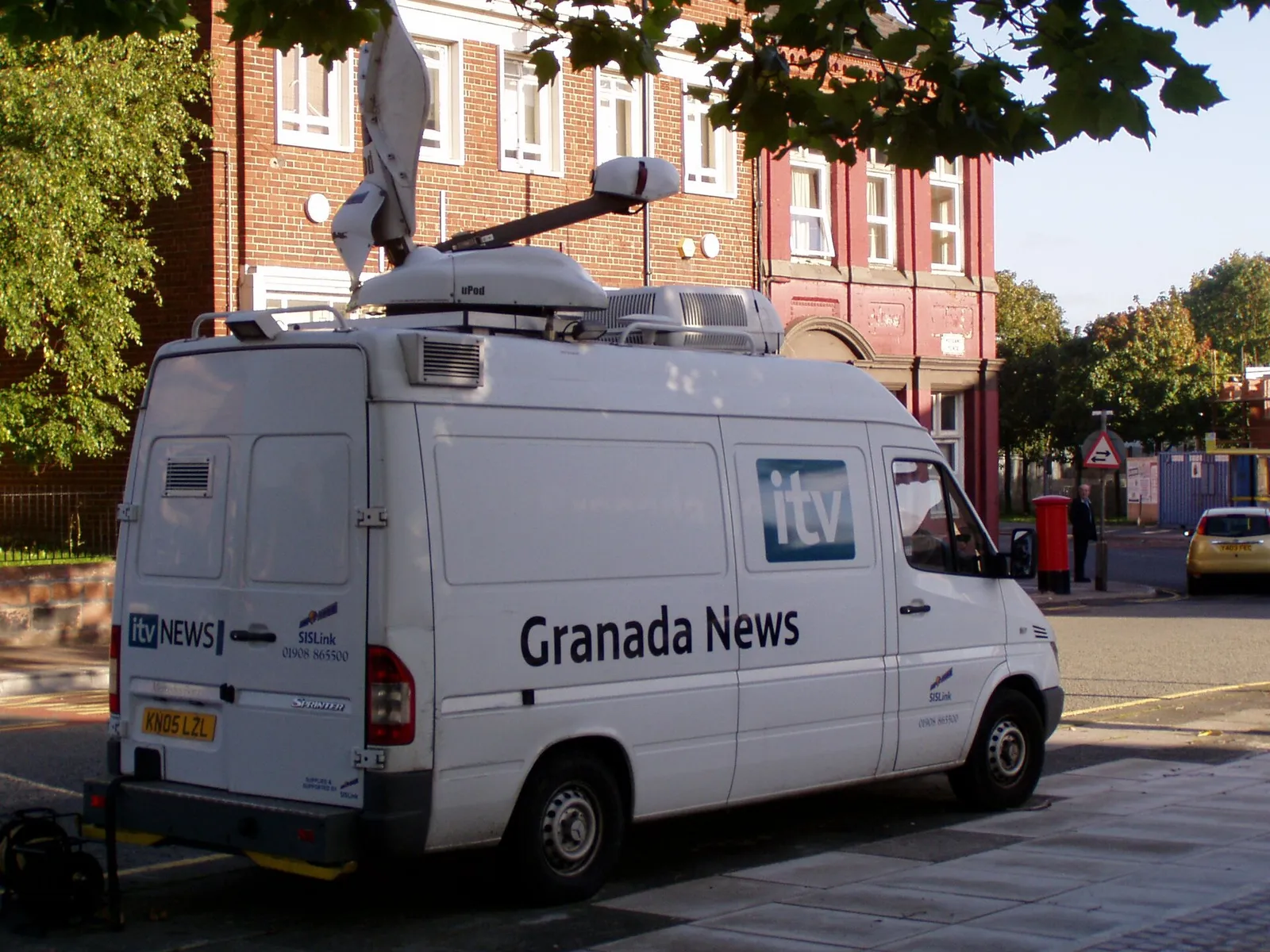
One of Britain's oldest broadcasters is being carved up. ITV said on July 6 that it had agreed to sell its media and entertainment business, its television channels and the ITVX streaming service, to Sky, the pay-TV group owned by the US media giant Comcast, in a deal worth up to £1.6 billion, RTÉ reported. The sale would combine two of the UK's biggest television names as both try to withstand the pull of American streaming services.
What Sky is buying
The deal covers ITV's free-to-air channels and its ITVX streaming platform, ITV said. It does not include ITV Studios, the production business behind programs such as "I'm a Celebrity" and the drama "Mr Bates vs the Post Office."
The price is structured in pieces. ITV would receive £1.2 billion in cash, plus an "earn-out" of up to £200 million more that depends on how ITV's advertising revenue performs in 2027, RTÉ reported. As part of the arrangement, Sky would also hand over Love Productions, the maker of "The Great British Bake Off," which would fold into the retained ITV Studios. Together those elements add up to the "up to £1.6 billion" headline figure.
What ITV keeps
The effect is to break ITV into two. ITV Studios, the part that makes and sells television around the world, stays behind and becomes a standalone, London-listed "pure-play" content company, ITV said. ITV plans to return roughly £950 million of the proceeds to its shareholders, RTÉ reported.
The move also supersedes ITV's own recent idea: only about a week earlier the company had floated plans to spin off ITV Studios itself. Selling the channels to Sky achieves a similar split, but with a large cash payout attached.
Why do it
The logic is defense. Traditional broadcasters like ITV have been squeezed as viewers and advertising money drift to Netflix, Amazon, Disney and YouTube. Bolting ITV's channels and streaming service onto Sky's existing pay-TV and streaming operations creates a bigger combined platform, and a bigger pool of viewers to sell to advertisers, better placed to compete with the American giants than either could alone.
The hurdles
An agreement is not the finish line. A tie-up between two of Britain's largest broadcasters will draw close scrutiny from UK competition and media regulators before it can complete, and rivals are likely to raise concerns about the enlarged group's grip on the television advertising market. Partly for that reason, the deal is not expected to close until the second half of 2027, RTÉ reported. For viewers, little changes immediately. For ITV's shareholders, the payoff is a cash return now and a stake in a more focused content company; for Sky and Comcast, it is a bigger foothold in British living rooms as the battle with streaming grinds on.