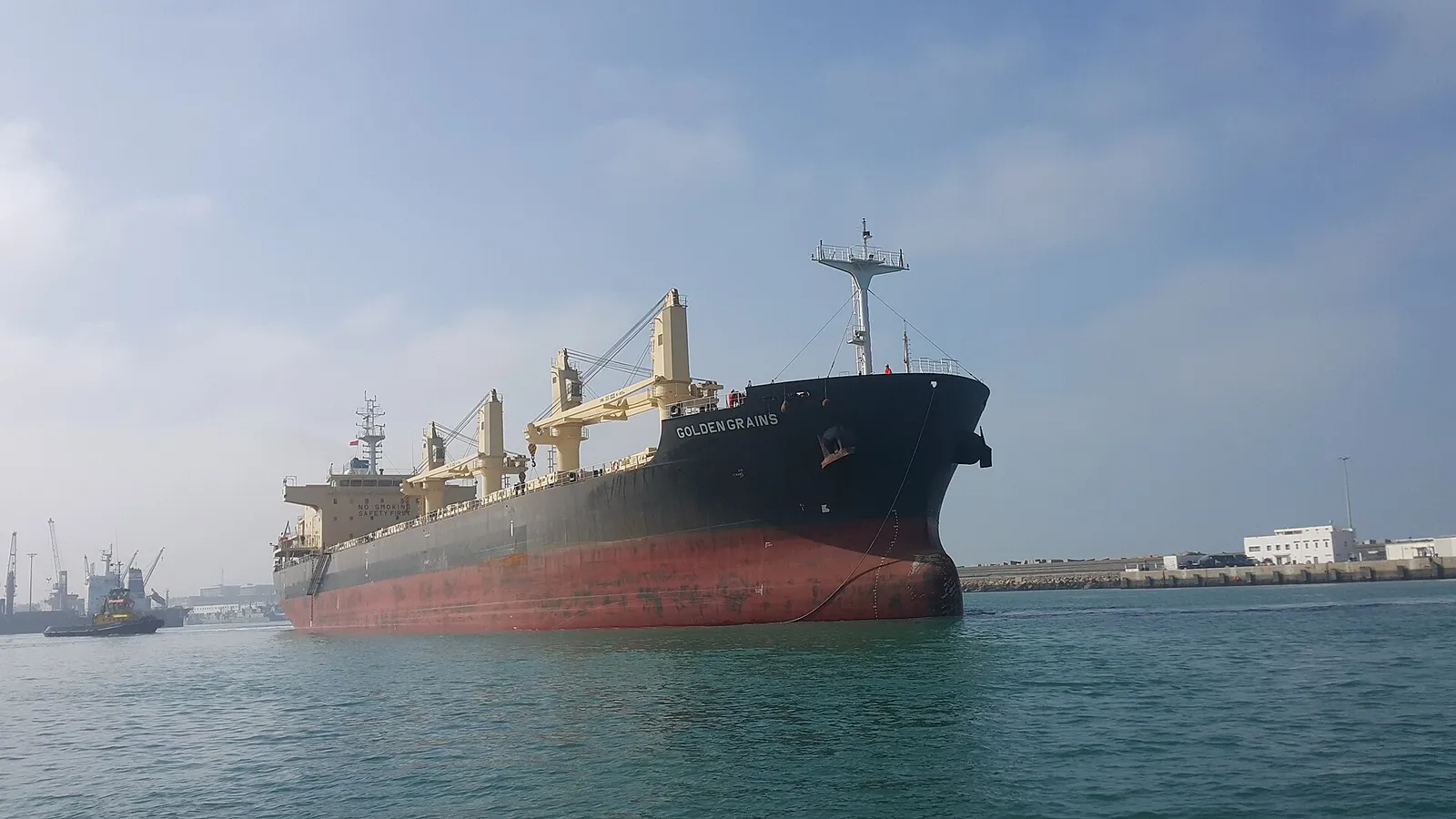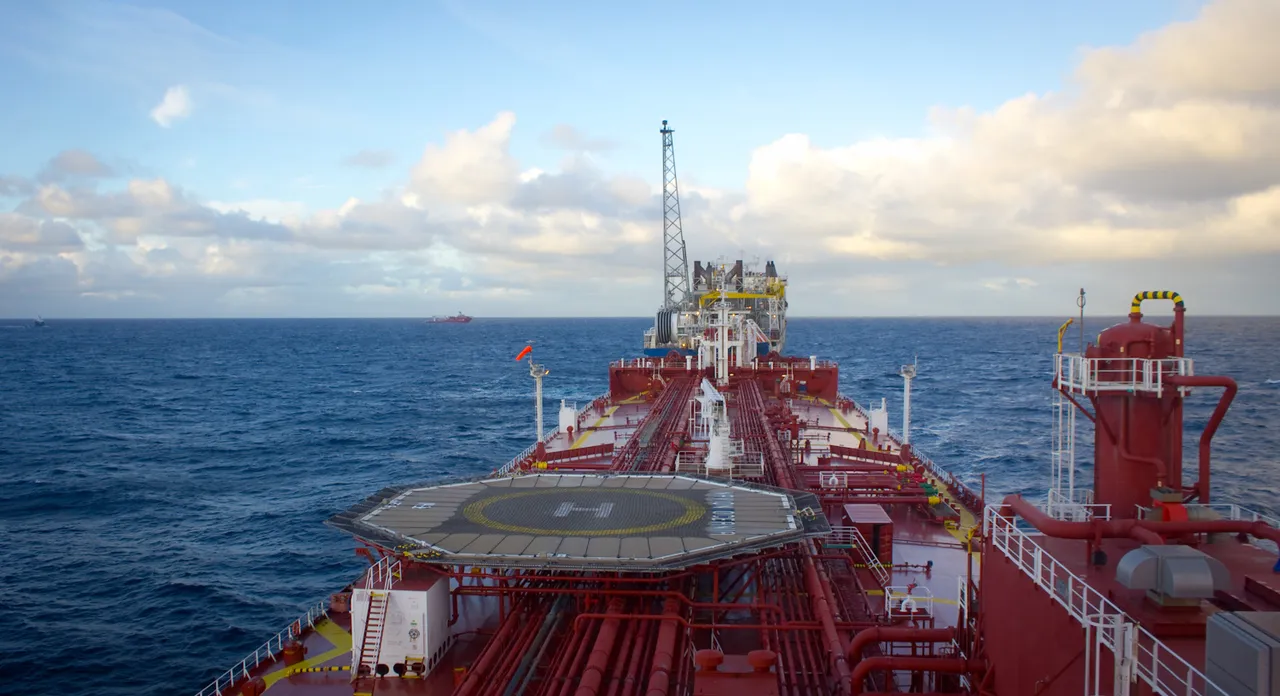
The fear has come out of the oil price. Brent crude, the global benchmark, fell below $74 a barrel — its lowest level since before the U.S.-Iran war — as oil tankers resumed passage through the Strait of Hormuz and a U.S.-Iran agreement to end the conflict held, CNBC reported. Prices are now down roughly 40% from their wartime peak.
Brent, WTI and the "risk premium"
Two benchmarks set the world's oil prices. Brent is priced off North Sea crude and serves as the reference for most internationally traded oil; WTI (West Texas Intermediate) is the U.S. benchmark, priced in Cushing, Oklahoma. The two usually move together, with Brent a few dollars higher.
What drove them up during the conflict — and is now coming out — is a geopolitical risk premium: extra dollars per barrel that traders pay not for any change in the oil actually flowing, but for the risk that future supply could be cut off. The flashpoint was the Strait of Hormuz, the narrow waterway between Iran and Oman through which a large share of the world's seaborne oil passes. Iranian threats to close it during the war raised the prospect of a severe supply shock, and prices spiked accordingly.
Why the premium is fading
That threat has receded. President Trump and Iranian President Masoud Pezeshkian signed a memorandum of understanding to end the war on June 17, CNBC reported, and shipping through Hormuz has resumed, with tankers sailing openly again after the height of the crisis. The United States has also moved to authorize sales of Iranian crude, raising the prospect of additional barrels returning to the market. With the supply scare lifting and more oil potentially on the way, traders have unwound the war premium almost as fast as they had added it.
The supply-and-demand backdrop reinforces the move. The International Energy Agency trimmed its 2026 demand outlook after the price spike and economic disruption of the conflict, and additional non-OPEC supply has been coming online. The result is a market that, for now, is trading on fundamentals rather than fear.
What cheaper oil means
For households, relief is showing up gradually at the pump. The U.S. average retail gasoline price was about $4.15 a gallon as of June 22, down on the week but still well above a year earlier, according to the Energy Information Administration — a reminder of how far the conflict had pushed energy costs up. If crude holds at these lower levels, more of that decline should feed through to drivers in the weeks ahead.
For central banks, lower oil is disinflationary: energy is a major input into consumer prices, and the wartime spike had complicated the rate-setting picture for the Federal Reserve and the European Central Bank. Cheaper crude reduces the pressure to keep policy tight, though core inflation has other drivers that energy alone does not settle.
The risk that remains
The calm is provisional. The agreement is new and untested, and insurers have been slow to drop the war-risk premiums they added on tankers, a sign the market has not fully written off the chance of renewed trouble at the chokepoint. Any fresh escalation in the region would likely send crude sharply higher again. For now, though, the verdict from trading desks is clear: with Hormuz open and the guns quiet, the Iran premium has drained away, and oil has returned to where it stood before the war began.