A parasite outbreak that began as a restaurant problem has moved into the supermarket aisle.
Walmart said it has removed four bagged iceberg lettuce salad products made by Taylor Farms and sold under its Marketside store brand at select locations, according to Bloomberg reporting published by Fortune. The retailer said there have been no confirmed illnesses linked to those items, and a spokeswoman said there is no indication that products sold in its stores are affected by the current cyclospora investigations. The four products were pulled as a precaution after the company received notice from a supplier.
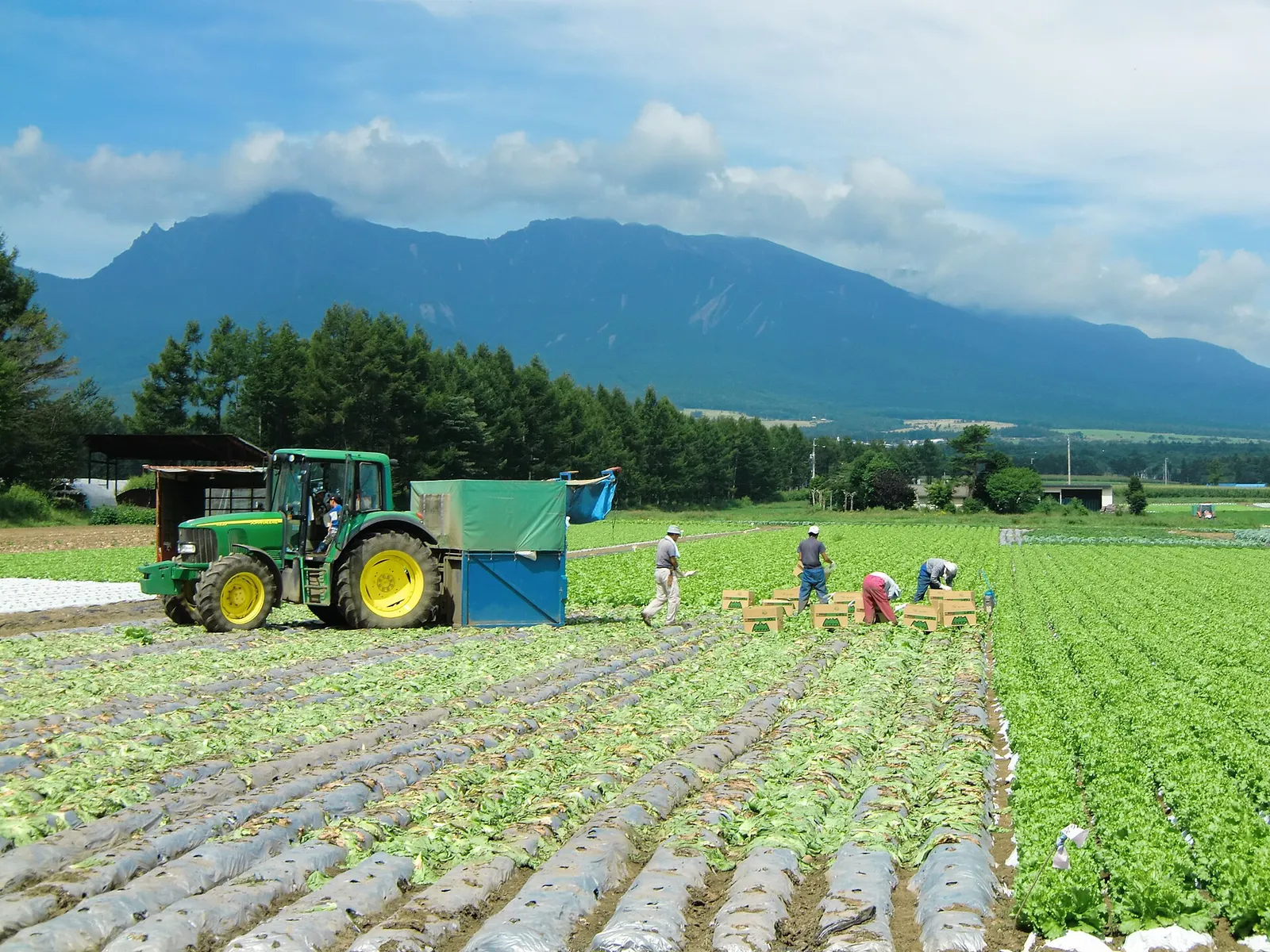
Taylor Farms went considerably further. The company said on Saturday it was recalling all iceberg lettuce because it had the "potential to be contaminated with Cyclospora." It said it had stopped receiving product from the implicated lot, suspended distribution of iceberg lettuce from Central Mexico, notified customers, and was continuing to work with the Food and Drug Administration, the Centers for Disease Control and Prevention and state authorities. The shredded iceberg product was distributed between June 29 and July 16, and product from the Mexican farm was sent to 27 states.
The outbreak is much larger than it first appeared
The scale has shifted substantially. Cyclosporiasis has now infected people across 34 states, according to the CDC. Michigan, the state with the highest count, recorded more than 5,000 illnesses as of July 17. State counts typically run ahead of national tallies, which lag as cases are confirmed.
Earlier in the week, health officials identified a lettuce supplier to Taco Bell locations in the Midwest as the source of most infections. The FDA said on Friday that more states could be added to the recall notice.
Why this pathogen is hard to contain
Cyclospora is a microscopic parasite that causes severe diarrhea and nausea, lasting from a few days up to a couple of months. Symptoms can take as long as two weeks to appear.
That incubation period is the core difficulty. By the time a cluster of illness is recognized, the food that caused it has typically been eaten, discarded or sold on, and patients are being asked to recall meals from a fortnight earlier. Fresh produce compounds the problem: leafy greens have a short shelf life, are pooled and shredded across sources during processing, and are eaten raw, so there is no cooking step to kill the organism. Unlike some bacterial contaminants, cyclospora is not reliably removed by washing.
The result is that investigators are usually working backwards from an outbreak that is already weeks old, which is why recalls in these cases tend to widen in stages rather than arrive complete.
Mexico pushes back on the source question
Mexico's government said it is working with the FDA on an ongoing investigation into the source of the US outbreak, with research institutions from its health and agriculture ministries assisting through what it described as a continuous exchange of technical information.
It also drew a careful distinction. "Identifying the product's country of origin provides a traceability data point, but it does not in itself confirm that the contamination occurred within Mexican territory," the government said. The point is a fair one: produce can be contaminated at multiple stages, including handling and processing after harvest.
The business consequences
Taylor Farms is privately held, so there is no share price to register the damage. The costs show up elsewhere.
Recalls of this kind depress demand well beyond the recalled items. Shoppers have already been avoiding berries and leafy greens in recent weeks, and product removals typically dampen consumer demand for weeks to months. Produce is a disproportionately important category in summer, when households buy more fresh food for holidays and outdoor gatherings, so the timing lands on the industry's strongest season.
For retailers, the calculation Walmart made is the standard one: pulling four products with no confirmed illnesses is far cheaper than being connected to a subsequent case. For a supplier, a suspension of an entire product line from a sourcing region is a more serious matter, affecting every customer that relies on that input.
The wider exposure sits with the restaurant chains and grocers that buy shredded lettuce as a commodity ingredient, often without the end consumer knowing whose product it is. That anonymity works in the supplier's favour commercially and against it in an outbreak, because the recall has to reach across every brand the ingredient was sold into.