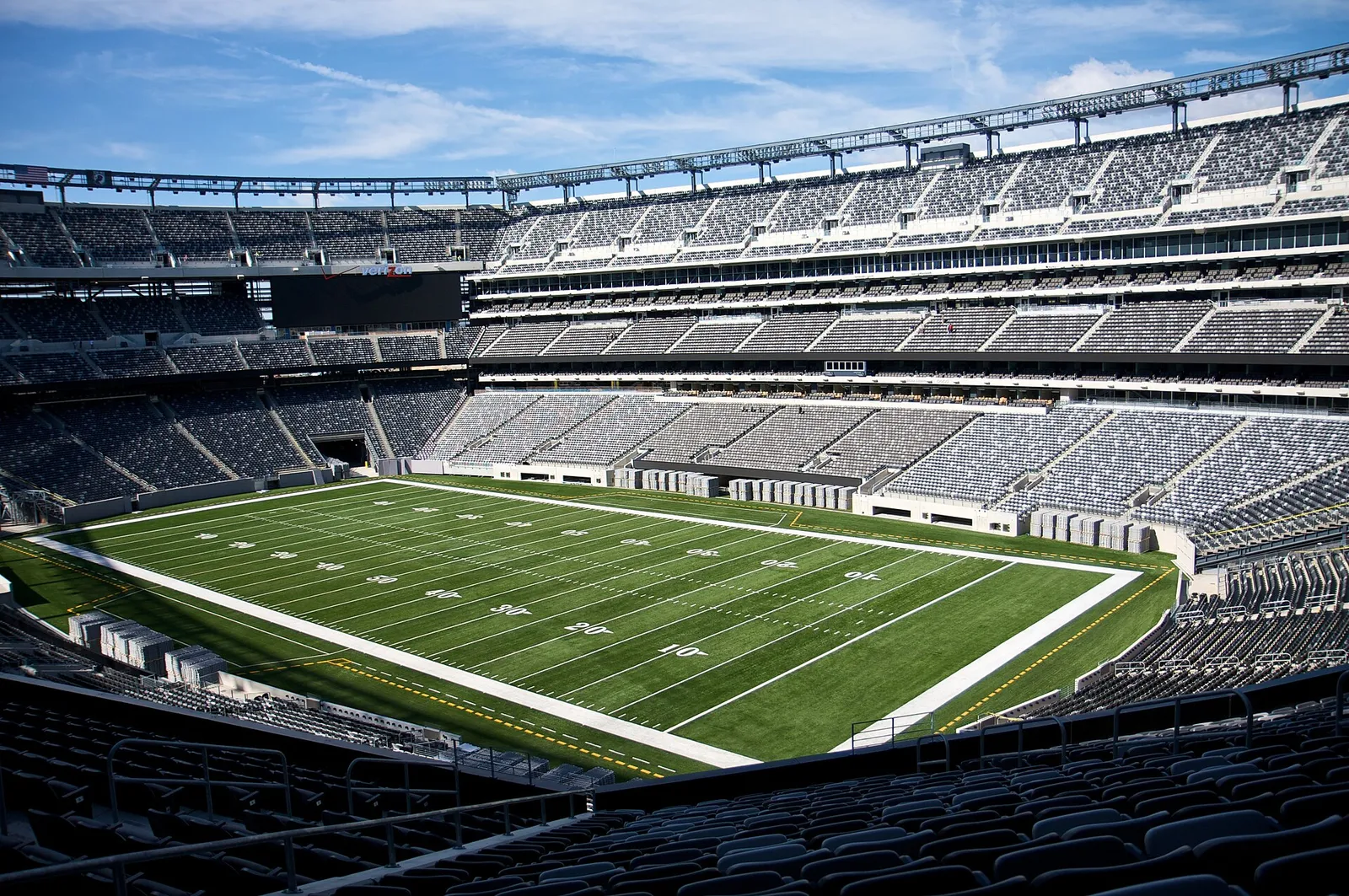
The cheapest way into Sunday's World Cup final, at least for a few hours on Saturday morning, was $6,411.25. That bought a mid-level view from behind the goal at MetLife Stadium in East Rutherford, New Jersey. Those listings were gone by lunchtime, according to the Associated Press.
Prices climbed steeply from there. Tickets in the corners of the upper deck were listed at close to $10,000. Getting meaningfully closer to the field cost around $16,000, and special hospitality seats ran to nearly $60,000 each. On the resale platforms SeatGeek and StubHub, upper deck seats also started around $10,000, with some lower bowl seats approaching $35,000.
A record for an American sporting event
The averages tell the same story. Average purchase price for the final reached $11,327, with a cheapest available price of $6,943 and a single pair of seats in Section 115A going for $28,479 each, according to data from the resale marketplace TickPick reported by Forbes on July 15.
That $11,327 average is the highest TickPick has recorded for any sporting event held in the United States. For comparison, the same data put Super Bowl LVIII in 2024 at an average of $9,411, Super Bowl LV in 2021 at $7,313, Super Bowl LIV in 2020 at $6,546, and Game 3 of the 2026 NBA Finals at $6,308. The World Cup final clears the previous record by roughly $1,900 a seat.
A caveat that matters more here than in most stories: resale prices move continuously, and every figure above is a snapshot from July 15 to 18. A "cheapest available" price is a listing, not a settled market price, and it can vanish in minutes, as the $6,411 seats did.
Why this particular final
Secondary ticket prices are driven less by the event than by who is playing in it, and this matchup concentrates several premiums at once.
Argentina brings Lionel Messi, in what is widely expected to be his final World Cup appearance, and a chance at back-to-back titles. Spain brings Lamine Yamal, the teenage winger who has become the tournament's breakout name. A final pairing a departing all-time great against an emerging one is close to the ideal case for ticket resellers: scarcity of supply meeting a global audience with no substitute product. There is exactly one of these matches, it happens once, and no amount of demand creates additional seats.
The venue caps supply firmly. MetLife Stadium's capacity is fixed, a large share of seats is allocated to national federations, sponsors and hospitality packages before any general sale, and what reaches the open market is a fraction of the building.
How the secondary market works
A quick explanation of the mechanics, since they are widely misunderstood.
The "primary" market is the original sale, where an organizer sets prices and sells to the public. The "secondary" market is resale: a buyer who already holds a ticket lists it, and a platform matches them with a new buyer and takes a fee from the transaction. FIFA operated its own official resale platform for this tournament, which is where the $6,411 listing appeared, alongside independent marketplaces such as SeatGeek, StubHub and TickPick.
The economic consequence is that the gap between the original price and the resale price accrues to whoever holds the ticket and to the platform charging the fee, not to the organizer that priced the seat initially. That is the structural reason organizers across sport and music have moved toward demand-based pricing on the primary sale: it is an attempt to capture value that would otherwise go to resellers.
We were not able to independently verify the specific fee percentages the various platforms charged on final tickets, or how much resale revenue FIFA retained through its official platform, so this piece does not put a number on either. What is documented is the price a buyer had to pay: on the eve of the final, north of $6,400 for the worst seat in the building that was still for sale.