
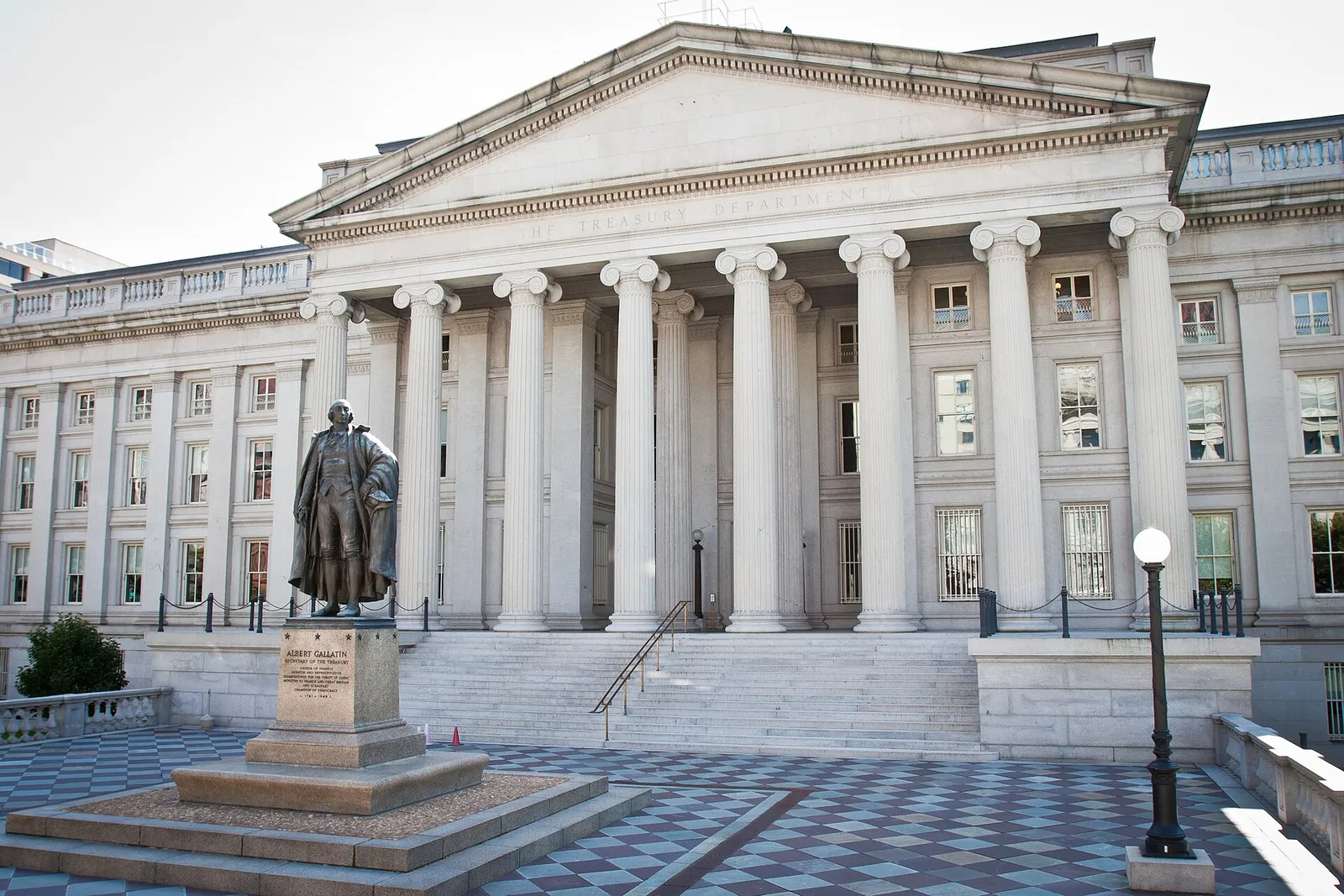
The deadline Congress wrote into America's first federal stablecoin law passed on Saturday without the rules that were supposed to accompany it.
The Guiding and Establishing National Innovation for U.S. Stablecoins Act, known as the GENIUS Act, was signed into law on July 18, 2025. It directed federal regulators to write implementing rules through notice-and-comment rulemaking no later than one year after enactment. That year expired on July 18, 2026, and the agencies involved have issued proposals but no final rules, according to The Block.
What the law was meant to settle
A payment stablecoin is a digital token designed to hold a fixed value, almost always one US dollar, and to be used for payments and settlement rather than as a speculative position. The value is meant to be maintained by holding reserves of safe assets against every token issued.
The GENIUS Act created the first federal regime for these instruments, covering reserve requirements, redemption rights, disclosure, licensing and supervision of issuers. The point of the exercise was to answer the questions that repeated stablecoin failures had exposed: what exactly backs the token, whether a holder can reliably redeem it at par, and who supervises the issuer.
The statute set out the framework. The rules were supposed to make it operational: what specifically counts as an eligible reserve asset, what capital and liquidity an issuer must hold, how custody works, and how supervision is conducted in practice.
Proposals, but nothing final
The agencies have not been idle. The Office of the Comptroller of the Currency put out a broad implementing proposal on March 2, 2026, covering reserves, capital, liquidity, custody and risk management. The Federal Deposit Insurance Corporation followed with a prudential standards proposal on April 10. The National Credit Union Administration issued licensing and operational proposals in February and May. The Treasury Department proposed principles in April for judging when a state regime is close enough to the federal one to substitute for it.
Several remain open for comment. A joint proposal on customer identification is accepting comments through August 21, and an FDIC proposal on Bank Secrecy Act compliance through August 4. A rule cannot be finalized while its comment period is still running, which is the mechanical reason the deadline was always going to be missed.
Why the delay bites
Missing a rulemaking deadline is common enough in Washington, and Congress attached no penalty to this one. What makes this case awkward is that the delay does not move the law's effective date, which remains January 18, 2027.
That leaves issuers roughly six months to build compliance around requirements whose final text does not exist. Firms preparing to operate under the regime have to make decisions now, on reserve composition, custody arrangements and capital, based on proposals that may change before they are finalized. The larger the operational change a rule implies, the more expensive it is to guess wrong.
The practical effect falls unevenly. Established issuers with legal and compliance staff can track dockets and hedge their preparations. Smaller entrants, and banks weighing whether to issue at all, face a choice between committing resources against uncertain requirements or waiting and having less time to comply.
Some obligations do already bite, because they sit in the statute itself rather than in the pending rules. The requirement to hold reserves against tokens in issue and to disclose reserve composition applies as a matter of law, whatever the rulemaking status.
The stakes
The market these rules will govern is now a substantial part of the plumbing of crypto trading and, increasingly, of cross-border payments. Stablecoin issuers have become meaningful holders of short-dated US government debt, which is why bank regulators and the Treasury have taken an interest that goes beyond consumer protection.
That is also the argument for getting the rules right rather than fast. The cost of the delay is uncertainty for firms trying to comply; the cost of a rushed rule written to hit a date would be borne over a much longer period. What the agencies do not have is much room left to do either, with the framework becoming binding in January.