Two of the market's most-watched commodities moved in opposite directions on July 8, and the split says a lot about how investors are reading the moment. Gold, usually the asset people run to in a crisis, fell. Oil, the barometer of supply fear, jumped. The trigger was the same for both: a sharp escalation between the United States and Iran.
What happened
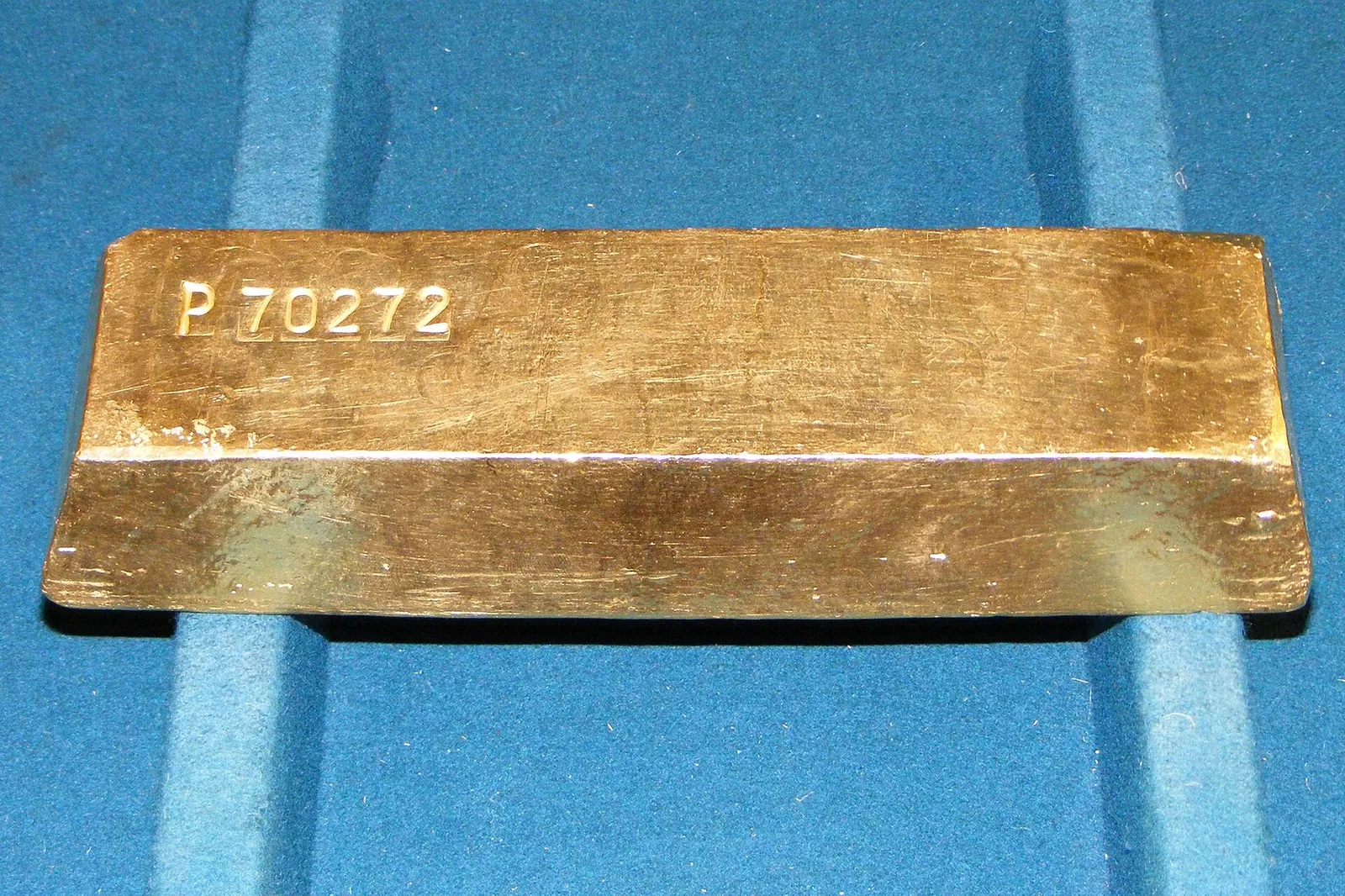
US gold futures for August delivery fell more than 2%, to around $4,043 an ounce, with spot gold easing toward the $4,030-$4,100 range and touching its lowest in about a week, CNBC reported. Crude went the other way: oil prices jumped roughly 5%, with Brent, the international benchmark, climbing toward $77 a barrel and West Texas Intermediate, the US benchmark, rising to around $74.
The catalyst was political. President Trump said that a memorandum of understanding reached with Iran in June, meant to wind down a months-long conflict, was "over," and the US military launched a fresh wave of strikes, CNBC reported. Washington also revoked a license that had allowed Iran to sell oil, after three tankers were hit by projectiles in the Strait of Hormuz.
Why oil rose
Oil's move is the intuitive one. The Strait of Hormuz is the single most important chokepoint in the global oil trade, the narrow waterway through which a large share of the world's seaborne crude passes. Any threat to shipping there raises the risk that supply is disrupted, and traders price that risk in immediately by bidding crude higher. "Brent" and "WTI" are simply the two reference prices the market quotes, one for international grades, one for US crude, and both rose together on the same supply fear.
Why gold fell
Gold is the puzzle. It is the classic "safe haven", the thing investors buy when they are frightened, so a military escalation would normally send it up. This time the safe-haven money went into the US dollar instead. The reason is the second-order effect of the oil spike: costlier energy feeds inflation, and that pushed traders to bet the Federal Reserve keeps interest rates higher for longer. Markets moved to price a greater chance of a September rate increase, to roughly 67% from about 57% a day earlier, CNBC reported, citing the CME FedWatch tool.
That matters because gold pays no interest. When rates and the dollar rise, holding a non-yielding metal becomes relatively more expensive, and gold tends to weaken even amid geopolitical stress, as Business Standard noted. In other words, the inflation-and-rates story overwhelmed the fear story.
Why it matters
The divergence is a reminder that markets do not react to headlines so much as to their consequences. The same event can be bullish for one asset and bearish for another, depending on which channel, supply disruption or monetary policy, dominates. It also shows how tightly geopolitics, energy and central-bank expectations are now wired together: a flare-up in the Gulf becomes, within hours, a bet on what the Fed does in September. If the tensions ease and oil retreats, the calculus can reverse just as fast. This article is informational and not investment advice.