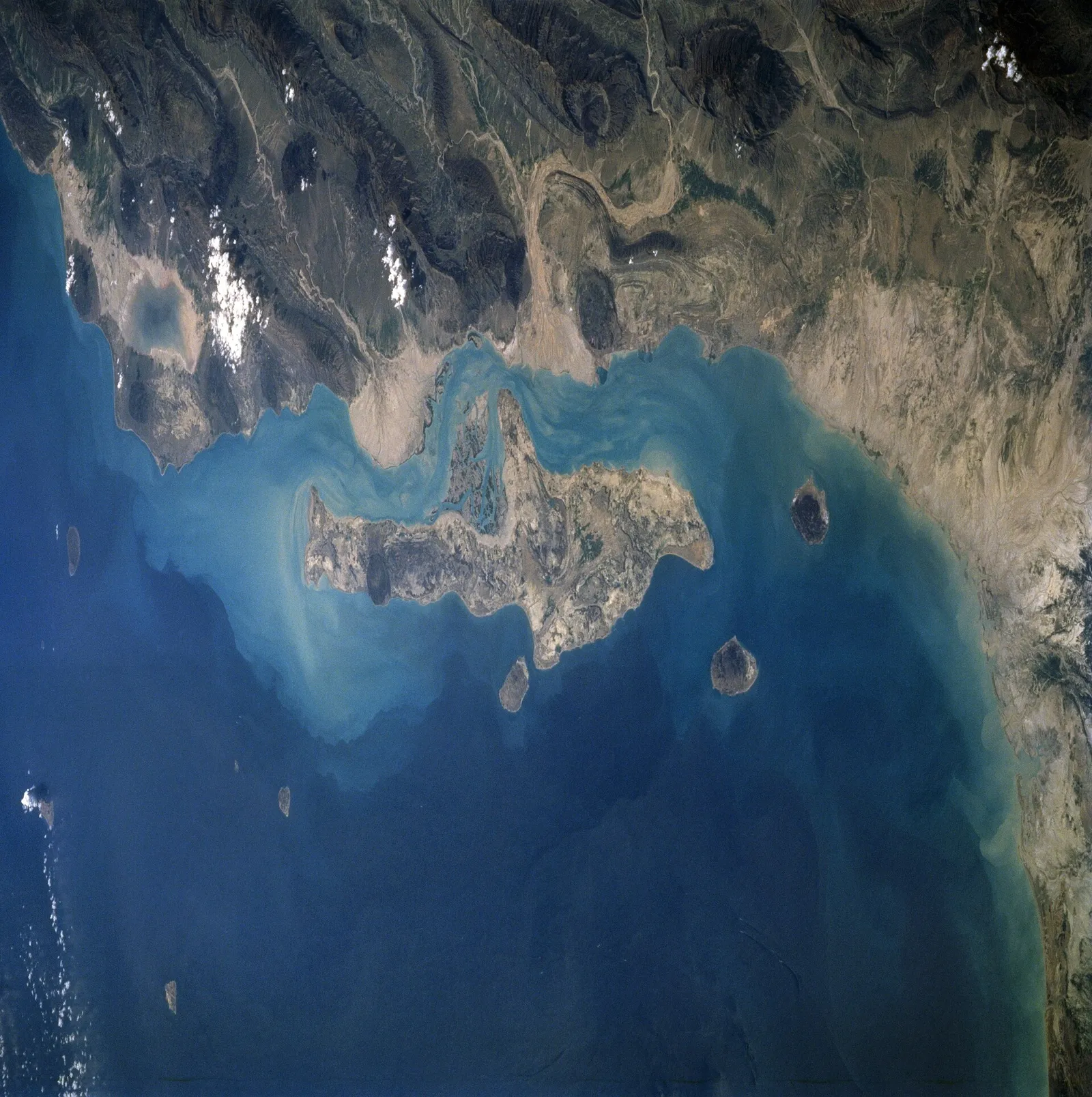
Iran and Oman are discussing a joint temporary navigational corridor through the Strait of Hormuz, which both would clear of mines, after on-and-off talks running for weeks.
Brent fell $4.58, or 5.06 percent, to $85.96. West Texas Intermediate fell 10 cents, or 0.12 percent, to $80.97.
Why one benchmark moved and the other did not
This is the cleanest illustration of what the two prices actually measure that the year has produced.
Brent is priced off North Sea crude but functions as the global seaborne benchmark: it is the reference for barrels that travel by ship, including everything that has to pass through Hormuz. WTI is priced at Cushing, Oklahoma, a landlocked hub in the middle of a continent, and reflects the cost of American crude that never goes near the Gulf.
A credible route through the strait releases seaborne barrels. It does nothing for a barrel already sitting in Oklahoma. So the risk premium that has been sitting in oil for six months was, on the evidence of today, almost entirely in Brent, and today it came out.
The spread between the two has narrowed to about $5, and anyone wanting to know how much Hormuz risk is left in the oil price can watch that spread rather than either benchmark alone.
What is actually agreed
Very little, and the wording matters. Talks are described as on-and-off over weeks. The corridor is temporary, joint and navigational, and both parties would clear it of mines.
None of that is a settlement, a ceasefire or a resumption of normal traffic. It is an arrangement to make one lane passable, negotiated between Iran and a neighbour rather than between Iran and the United States, with the wider impasse unresolved.
The strait handled a fifth of global oil and liquefied natural gas shipments before the war began in February. A single corridor is not that.
Two things that do not sit together
Trump has said all mines in the strait had been cleared, repeating comments he has made before.
Iran and Oman are negotiating to clear a corridor of mines.
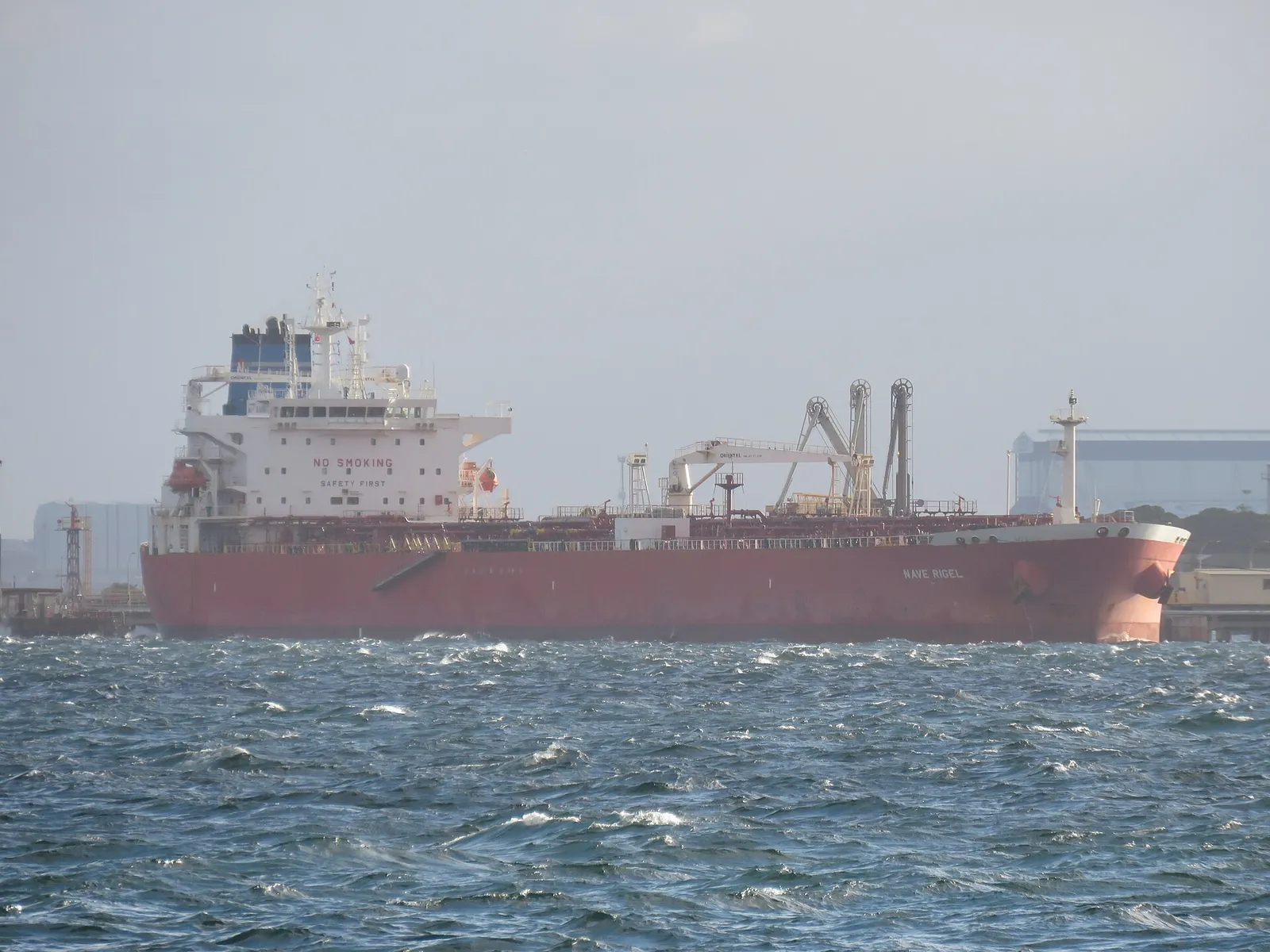
Both statements cannot be straightforwardly true, and the difference is not semantic: it is the difference between a waterway that is safe and one where a specific lane might become safe by agreement. A tanker was struck on Tuesday and disabled about nine nautical miles, 17 kilometres, northeast of Oman's Ash Shishah.
That strike is the most recent hard fact available, and it postdates the claim.
The trade this reverses
We have covered the price on the way up, most recently when Brent sat near $93 ahead of the sanctions announcement and Bjarne Schieldrop of SEB observed that $93 rather than $120 to $150 was the market saying enough oil was flowing.
At $85.96 the market is saying it more emphatically. It is also worth remembering how quickly this has moved in both directions during this conflict, and that a corridor which is temporary by name can close as fast as it opened.
The number worth watching over the next week is not Brent. It is whether vessel transits actually rise, because a corridor that exists on paper and carries no traffic will show up in the shipping data long before it shows up in a communiqué.