The business of small, lethal drones is booming, and AeroVironment's latest results show it. The US defense contractor reported fiscal fourth-quarter revenue of $641.6 million, beating analyst estimates of about $556 million by roughly 15%, with adjusted earnings of $1.84 a share — well above the ~$1.46 consensus, according to the company's results. Shares rose after the report. (The stock has been volatile, so we'll note the beat rather than a precise intraday move.)
For the full fiscal year, revenue reached roughly $1.98 billion, up about 141% — a jump inflated by AeroVironment's 2025 acquisition of BlueHalo, which added space, directed-energy and counter-drone capabilities and contributed a big slice of the quarter's sales.
What AeroVironment makes
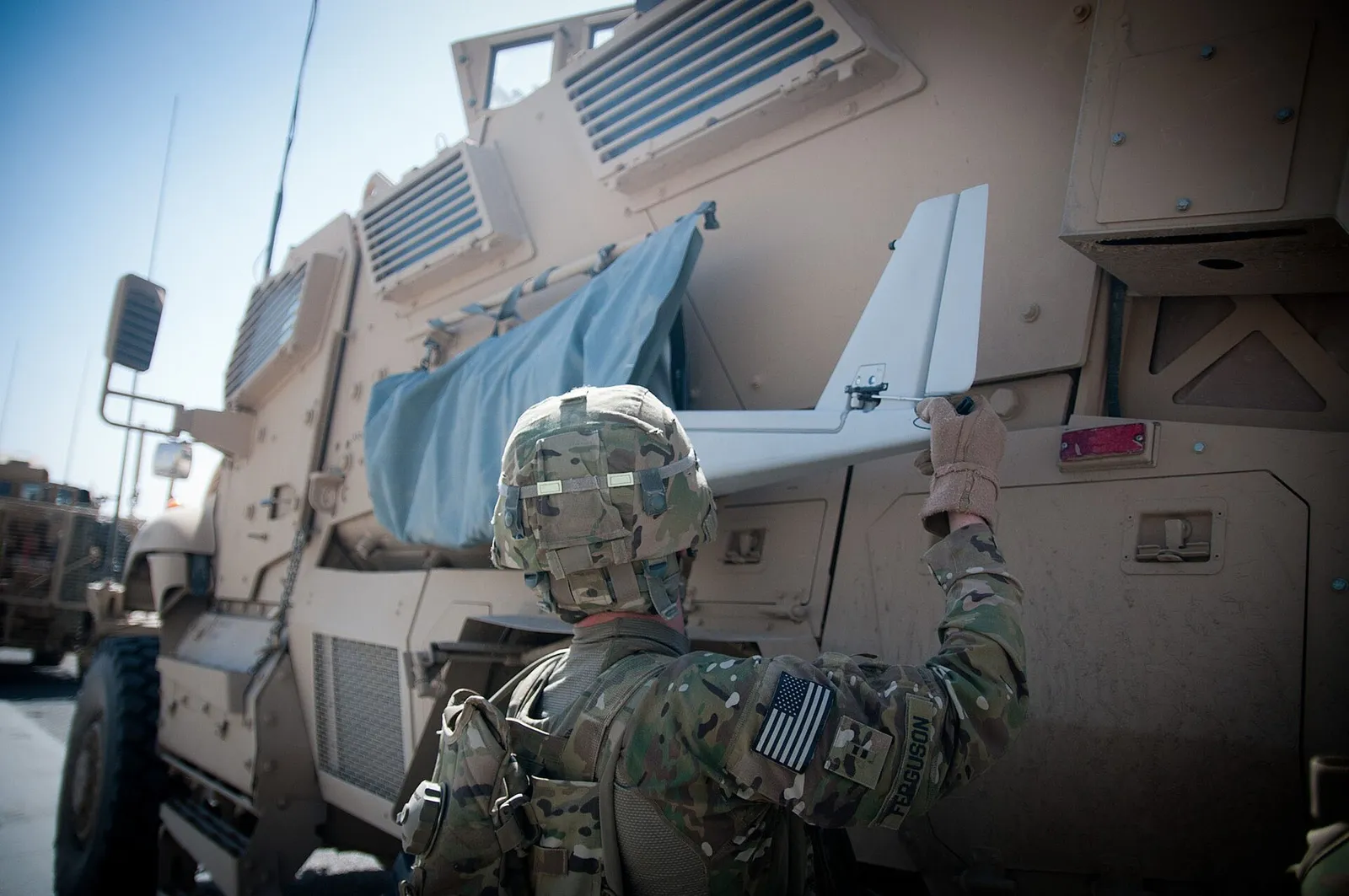
AeroVironment builds unmanned aircraft systems for the US military and allied forces. Its best-known products: the Switchblade, a "loitering munition" — a small, expendable strike drone that circles an area before diving into a target — and the hand-launched Puma and Raven surveillance drones. These systems have been used extensively in Ukraine, where cheap, attritable drones have reshaped modern warfare and become a template other militaries are racing to copy.
Why the beat: drones go mainstream
The results reflect a structural shift in defense spending. The war in Ukraine has validated drone warfare as a core capability, and allied governments are buying. As Boursel covered with Sweden's Saab submarine deal, Europe is rearming at a pace not seen in decades, with EU defense budgets running in the hundreds of billions of euros a year. AeroVironment is a direct beneficiary.
The clearest signal is the order book. Funded backlog hit about $1.2 billion, up from roughly $727 million a year earlier, and the company reported a book-to-bill ratio above 1 — meaning it's signing new orders faster than it's recognizing revenue, a sign of demand visibility. It also won an $874 million, multi-year US Army contract for drones and counter-drone systems tied to foreign military sales, as reported — effectively a pipeline of allied purchases.
The caveats
It's not all clean. AeroVironment's stock has, by some accounts, lagged the broader defense rally this year, and the company has faced setbacks in its newer space business — including a reported cancellation of a large US Space Force antenna program that prompted a goodwill write-down. Investors will watch whether the fast-growing drone and counter-drone lines can offset bumps in the BlueHalo-acquired space and directed-energy units. The company guided to fiscal-2027 revenue of roughly $2.1–2.2 billion.
Why it matters
For investors, AeroVironment has become a pure-play proxy for one of defense's hottest themes: the explosion in demand for unmanned and counter-unmanned systems. The beat and the backlog say the demand is real and multi-year, powered by Ukraine's lessons and Europe's spending surge. The risks are execution (integrating a big acquisition), lumpiness (defense revenue arrives over years and programs can be cancelled), and valuation (expectations are high). Boursel offers no view on the stock; the through-line is that the drone build-out is now a core part of the rearmament trade — and AeroVironment's order book is one of the clearest places to watch it.