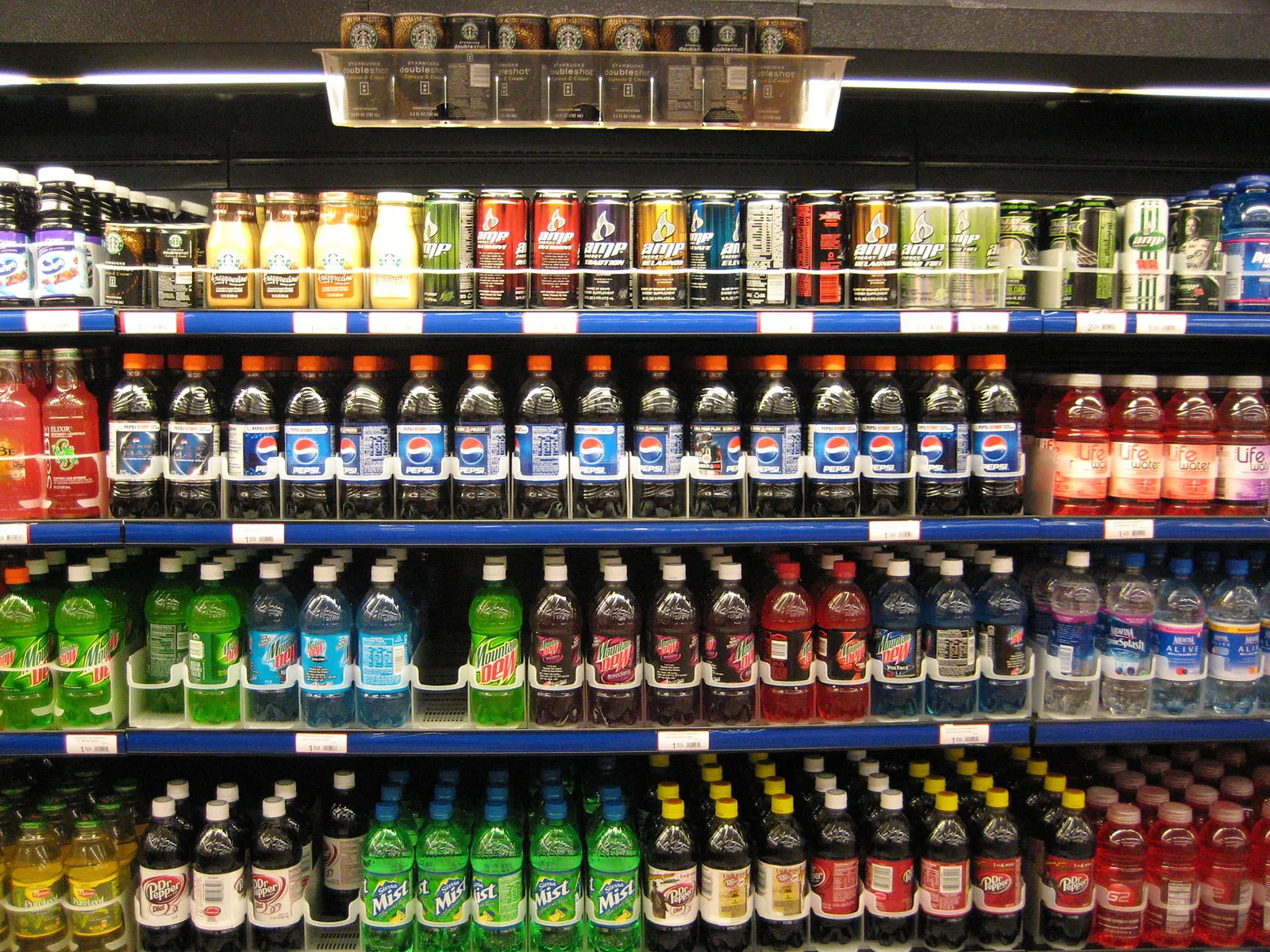
A familiar fight over fizzy drinks has reached Germany. More than 300 beverage companies have signed a joint open letter opposing the government's planned sugar tax on soft drinks, Yahoo Finance reported — arguing it would pile costs on businesses and consumers without delivering the promised health gains.
The plan
Germany's government has moved to introduce a tax on sugar-sweetened drinks, with reports of a draft approved earlier this year and implementation targeted for around 2028. It's designed as a tiered levy based on sugar content — modelled on Britain's soft-drinks levy — and is expected to raise on the order of hundreds of millions of euros a year to help fund the health system. (Exact structure and timing are as reported; treat specifics as provisional.) The stated goal is public-health: cut sugar intake and the obesity and diabetes that follow.
The industry's case
The signatories — reportedly including Coca-Cola, Capri-Sun, Carlsberg and Paulaner, plus German beverage trade groups — framed their objection in economic terms. They called it a heavy additional burden on companies and consumers "during economically challenging times," argued the revenue projections are overstated and collection costs understated, and said many makers are small and mid-sized family firms already squeezed by higher energy, packaging and labor costs. Their bottom line: a tax "might partially influence consumption, but it will not achieve a lasting improvement in public health."
What the evidence says
The crucial question — do sugar taxes work? — has a real-world test case: the UK's Soft Drinks Industry Levy, introduced in 2018. Its most striking effect wasn't higher prices but reformulation: faced with the levy, manufacturers cut the sugar in their drinks, and a large majority of products dropped below the tax threshold within a couple of years. Studies have linked the UK levy to less sugar purchased from soft drinks and some measurable health benefits, especially among children — though some research suggests the effect can fade over time as habits adjust. The design lesson: these levies are built to nudge companies to change recipes, not simply to raise money.
The business angle
For big multinationals like Coca-Cola and PepsiCo, a German levy is less an existential threat than part of a spreading trend: health-related taxes are becoming a routine policy tool across Europe and beyond. The companies have reformulated before and can do so again — but they resist new taxes on principle, preferring voluntary measures and warning of costs. The practical upshot tends to be lower-sugar recipes and some price and margin adjustment, rather than a collapse in sales.
Why it matters
For Germany, it's a test of whether public-health goals override industry objections — and notably, surveys suggest a majority of Germans back a sugar levy, which may matter more politically than the corporate pushback. For the beverage industry, it's another data point in a global shift toward taxing sugar, and a reminder that reformulation and regulatory risk are now permanent features of the business. And for other European governments weighing similar moves, Germany — Europe's largest economy — will be a closely watched bellwether. Boursel takes no side on the policy; the takeaway is that the sugar-tax model, pioneered elsewhere, is now landing in Europe's biggest market — and the drinks industry is fighting it the way it always has.