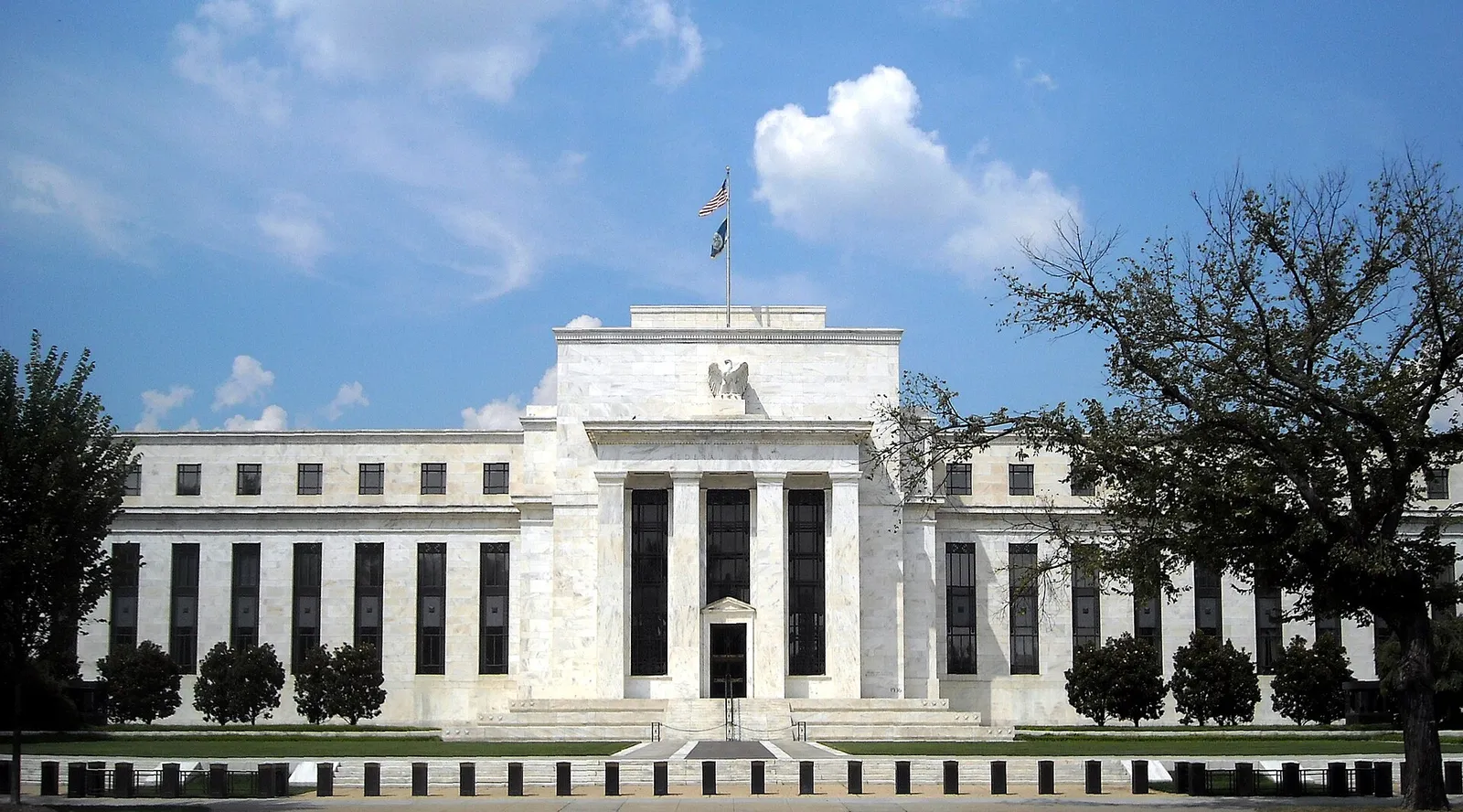
The world's most important central banker is talking tough on inflation — and Wall Street isn't sure whether to believe him. Kevin Warsh, who took over as Federal Reserve chair this spring, says he is determined to defend price stability and rebuild the Fed's credibility. But because President Trump chose him in the expectation of lower interest rates, investors are left parsing a hard question: will Warsh actually hold the line when the pressure comes?
How he got here
Warsh — a former Fed governor and a long-standing monetary hawk — was confirmed in May in the most divisive Fed-chair vote in the central bank's history, a narrow, near-party-line Senate vote, and sworn in days later, succeeding Jerome Powell. The handover was unusually fraught: it followed a pressure campaign by the Trump administration against the Fed — part of the broader fight over the central bank's independence that Boursel has tracked, including the Supreme Court clash over governor Lisa Cook. In an unusual twist, Powell has stayed on the Fed's board, keeping a vote on the rate-setting committee.
The credibility problem
Here's the tension at the heart of the story. Warsh now insists the Fed's commitment to its 2% inflation goal is firm. Yet he was picked by a president who wants rate cuts, and he had earlier been associated with a more dovish, cut-friendly view — so some analysts read his hawkish turn as partly performative, a way to assert independence and distance himself from the White House. At his confirmation, the "is he his own man or the administration's instrument?" question was asked bluntly.
His early actions, though, lean genuinely hawkish: Warsh overhauled the Fed's communications — a shorter post-meeting statement, less forward guidance — and the Fed's own projections shifted, with a chunk of policymakers now penciling in a rate hike rather than cuts this year. That's a real signal, not just rhetoric.
Why inflation makes it harder — and easier
The backdrop is sticky inflation. US consumer prices have been running near 4% (around 3.8% in a recent month), with core inflation near 2.8% — both above target, lifted partly by energy costs tied to the Middle East tensions Boursel covered. (Figures are as reported; treat them as the latest prints.)
That cuts two ways. It makes the Fed's job harder — supply-driven energy spikes aren't easily fixed by rate moves. But it also gives Warsh political cover: with inflation above 4%, even an administration that wants cuts has eased its public pressure for now, reporting suggests. The real test comes if growth slows or unemployment rises — the moment when the pressure to cut returns and his resolve gets measured.
What it means for markets
Fed credibility is priced into everything. When Warsh signaled his hawkish stance, stocks fell and bond yields rose — the market's way of saying "higher for longer." The logic: if the Fed convincingly holds rates up until inflation retreats, that weighs on stock valuations and raises borrowing costs; if it caves to political or economic pressure and cuts, equities get relief but inflation risk lingers. Investors are essentially handicapping those two paths — and every Warsh speech is a data point.
The bottom line
Boursel makes no prediction on rates. The story to watch is whether words become deeds. A Fed chair installed to cut rates, now vowing to fight inflation, is a genuine credibility test — for him and for the institution. After years of above-target inflation and a bruising fight over the Fed's independence, markets will judge Warsh not on what he says about slaying inflation, but on what he does when holding firm starts to hurt.