This is an explainer, not investment advice.
Gold has been on a tear, trading around $4,000 a troy ounce — near record highs and well above where it traded a few years ago. That's prompted a simple question with a not-so-simple answer: what actually moves the price of gold? It isn't one thing. Several forces push at once, sometimes in opposite directions. Here are the main ones.
1. Real interest rates
Gold pays no interest and no dividends — hold it and you give up the yield you'd earn elsewhere. That "opportunity cost" is gold's most consistent driver. The key gauge is the real interest rate (the bond yield after subtracting inflation). When real rates are high, parking money in gold is expensive versus interest-bearing bonds, and gold tends to fall. When real rates are low or negative, gold's zero yield looks competitive, and it tends to rise.
2. The US dollar
Gold is priced in dollars worldwide. A stronger dollar makes gold more expensive for buyers using other currencies, denting demand; a weaker dollar makes it cheaper for the rest of the world, boosting demand. So gold and the dollar often move in opposite directions — and the soft dollar of recent times has been a tailwind.
3. Central-bank buying
This is the big structural story. Central banks have been buying gold at a heavy clip — on the order of 1,000 tonnes a year recently, roughly double the pace of the prior decade, per the World Gold Council. The trigger, as Boursel reported in this morning's lead, was partly the 2022 freeze of Russia's reserves: it taught reserve managers that dollar assets can be frozen or sanctioned, so many are diversifying into gold, which no other government controls. That steady official demand puts a floor under the market.
4. Geopolitics and safe-haven demand
When the world feels risky — wars, crises, trade ructions — investors reach for assets seen as rock-solid, and gold has played that "safe haven" role for millennia. Heightened tension (the Middle East, US-China friction, tariff uncertainty) adds a risk premium to the price.
5. Inflation expectations
Gold is a classic inflation hedge — a way to try to preserve purchasing power when a currency is losing value. When people expect higher inflation, gold's appeal rises. (This links back to real rates: if inflation expectations climb faster than bond yields, real rates fall and gold can rally.)
6. Investment and jewelry demand
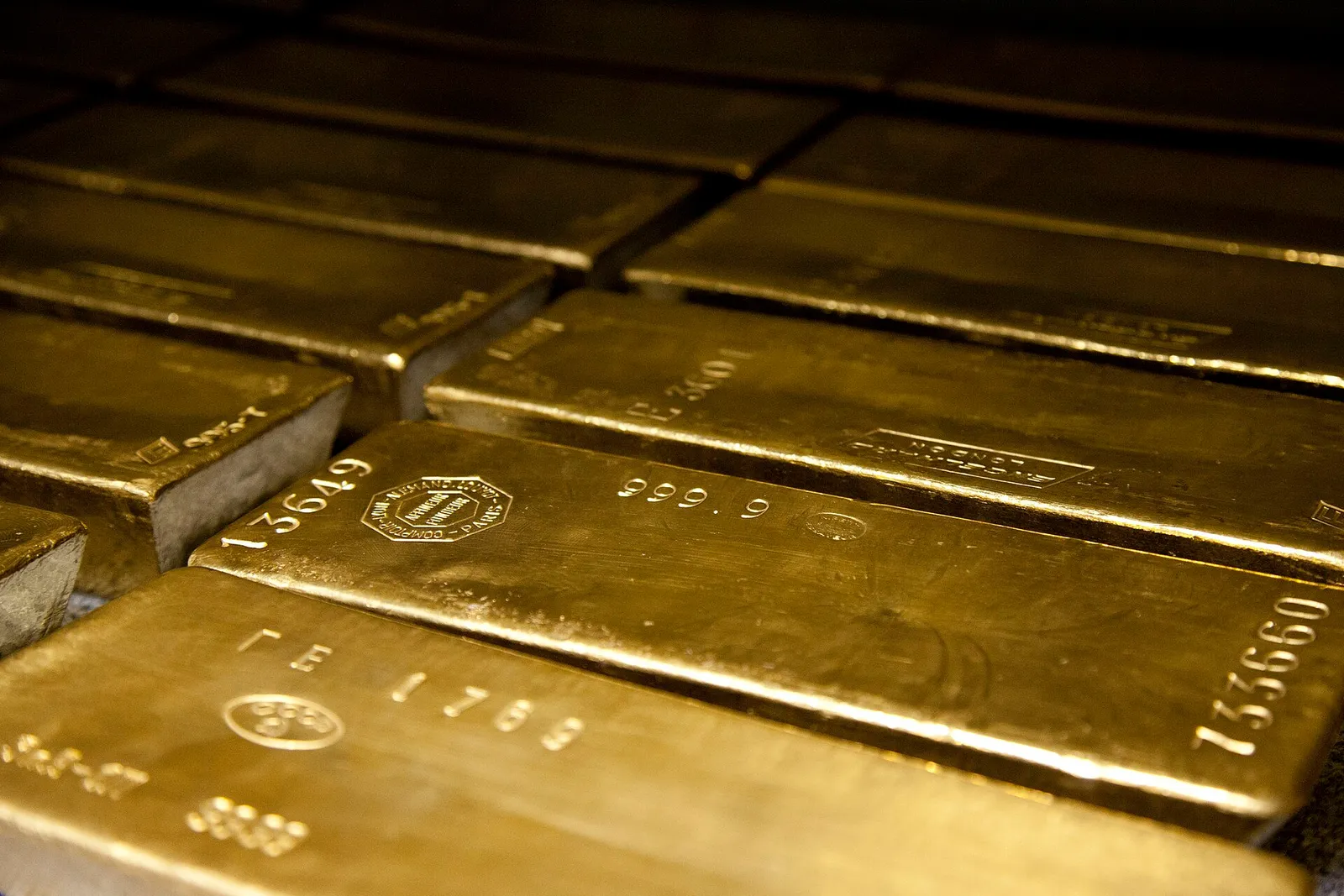
Beyond officials and traders, everyday demand matters: coins and bars, gold ETFs (funds that hold bullion for you), and jewelry (a huge share of physical demand, though high prices tend to dampen it). Rising prices can pull in more investment buyers even as they push away jewelry buyers — a built-in tug-of-war.
Why it's been rising
The recent run reflects these forces lining up together: relentless central-bank buying, a softer dollar, growing expectations of rate cuts (lower real yields), and elevated geopolitical risk. Remove or reverse a few of those and the picture can change quickly.
How investors get exposure — and the caveats
There are three common routes, and they behave differently: physical gold (bars/coins — direct, but you handle storage and insurance); gold ETFs (liquid and easy to trade, tracking the metal closely); and gold-mining stocks (which tend to amplify gold's swings and add company-specific risk). Boursel makes no recommendation among them.
The caveats matter:
- Gold generates no income — no dividends, no interest, no earnings. You're betting on price and insurance value, not productive cash flow.
- It can be volatile and has endured long flat or losing stretches.
- "Safe haven" doesn't mean "can't fall" — in some crunches gold has dropped alongside stocks.
- Past performance doesn't predict the future, and the very forces lifting gold (low real rates, weak dollar, official buying) can reverse.
The bottom line: gold's record run isn't magic or mania — it's the sum of real rates, the dollar, central-bank demand, geopolitics, inflation and investor appetite, all pulling at once. Understanding those levers won't tell you where the price goes next — nothing reliably does — but it explains why the world's oldest money is back at the center of the conversation.