The first half of 2026 is in the books, and on the scoreboard it looks strong. The S&P 500 rose roughly 8–9%, its best first half since 2021, with the tech-heavy Nasdaq up about 11% and the Dow about 8–9% — all touching records along the way, Yahoo Finance reported. But the calm surface hid real cross-currents. Here's how the half actually played out — and the themes Boursel tracked all the way through.
The AI trade wobbled at the end
The dominant story was the "Magnificent Seven" — the mega-cap tech stocks that powered 2025 — and the doubts that crept in by June. As capital-spending on AI ballooned, investors began asking when the returns would arrive, and the group shed trillions in the final stretch of the half (a selloff Boursel covered). Tellingly, the rest of the market held up better: the other 493 stocks in the S&P 500 broadly outpaced the Magnificent Seven, a sign the rally was — belatedly — broadening beyond a few names.
Among the half's standout individual winners were names tied to the AI build-out's hardware: memory-chip maker SanDisk, for instance, soared on a NAND flash-memory shortage and data-center demand, per MarketWatch's tally. (Individual movers are illustrative, not recommendations.)
Gold's big half
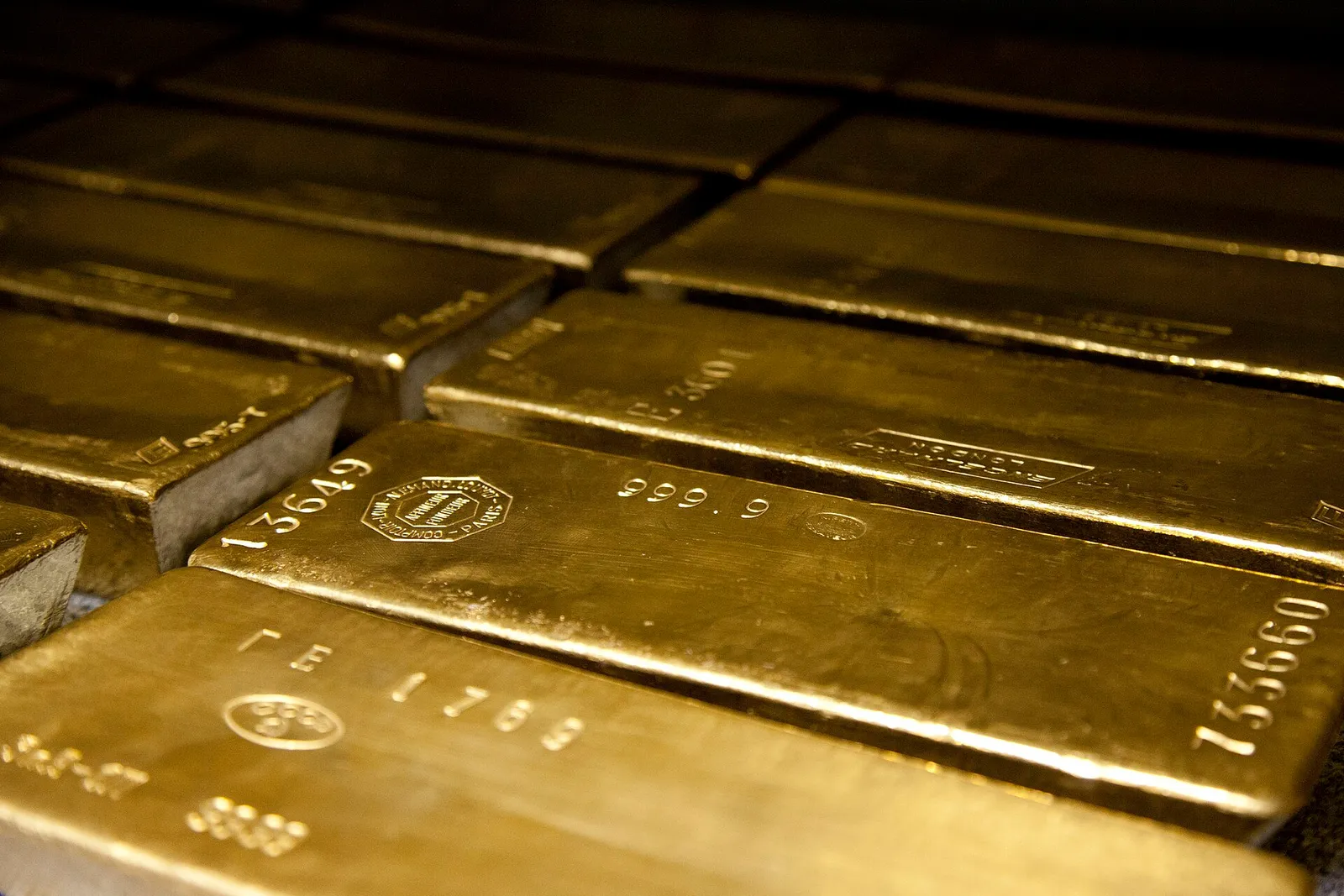
The other defining trade was gold. Bullion pushed to record territory — trading around $4,000 an ounce — as central banks kept diversifying away from the dollar (the survey Boursel led with this morning found a net plan to add gold and trim dollar holdings). Steady official buying gave the metal a structural bid that few assets enjoyed, and gold miners rode the move.
Oil's scare, then relief
Energy wrote the half's most dramatic chapter. Crude spiked in the spring as the Israel–Iran and US–Iran confrontation threatened the Strait of Hormuz, before retreating as the conflict cooled and tankers kept flowing — Brent has since eased back toward the low-$70s, as Boursel reported. The episode was a reminder of how fast geopolitics can move the inflation outlook, and how quickly a feared shock can fade.
The catch: it was a narrow market
Beneath the records sat concentration risk. The biggest handful of companies now make up an outsized share of the S&P 500 — by some measures the top 10 are around a third of the index's value — so the whole market's fate rests heavily on a few stocks. Market breadth (how many stocks are participating) narrowed at points during the half, a classic late-cycle warning that gains were leaning on too few shoulders.
On policy, the Federal Reserve spent the half holding rates and signaling patience, with markets repeatedly pushing rate-cut expectations further out rather than pulling them forward — a more cautious backdrop than bulls had hoped for.
What to watch in H2
Three questions carry into the second half, and Boursel offers them as questions, not forecasts:
- Does the AI spending pay off? The capex is enormous and still climbing; the returns remain mostly a promise.
- What does the Fed do? A pivot to cuts would help risk assets; "higher for longer" — or worse, hikes — would not.
- Does the rally broaden or crack? Narrow, concentrated markets can keep climbing — until the leaders stumble.
The first-half gains are real. So are the conditions that produced them: an AI arms race of uncertain payoff, a gold rush born of dollar diversification, geopolitics that flared and faded, and a market leaning on a few giants. The second half will test whether the cracks in breadth and concentration stay hairline — or widen. Boursel makes no market forecast; the takeaway is that 2026's strong first half was narrower and more fragile than the index levels alone suggest.