Two of the biggest names in driverless cars have unwound a marriage of convenience — in one city. Waymo and Uber have ended their robotaxi partnership in Phoenix, where Uber's app could previously dispatch Waymo's autonomous rides, TechCrunch reported. The arrangement wound down in May, about three years after it began. Importantly, this is a Phoenix-only split: the two still partner in Austin and Atlanta, per Bloomberg.
What changed
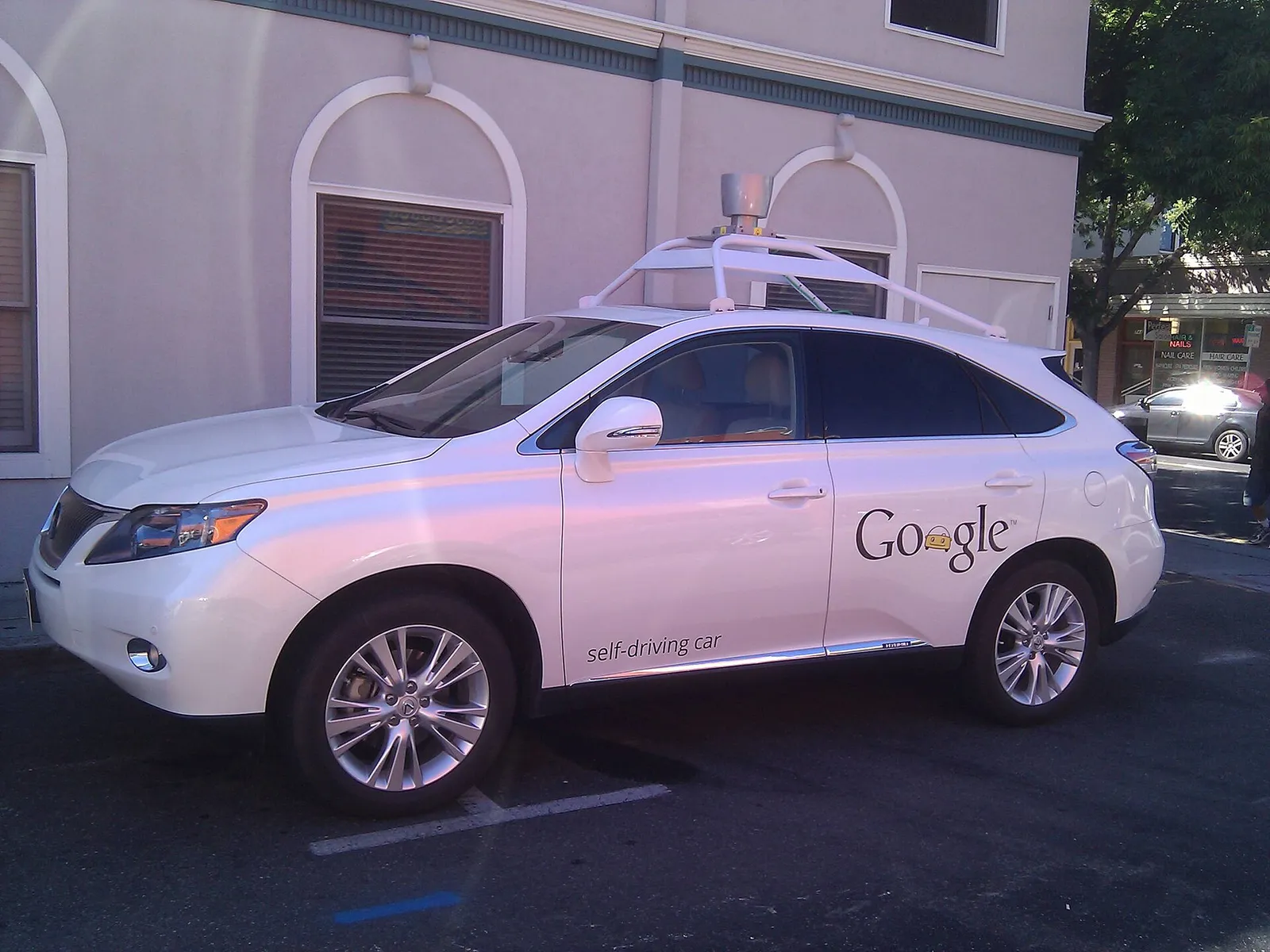
Waymo — Alphabet's self-driving unit and the leading US robotaxi operator — has folded the vehicles it had run through Uber back into its own Phoenix fleet, where they now operate only via the Waymo One app. That makes sense: Phoenix is Waymo's most mature market, the place it launched the first fully driverless public robotaxi service back in 2020. With its direct service well established there, it has less need for Uber as a middleman.
Uber, for its part, said it's lining up a new autonomous-vehicle partner in Phoenix but hasn't named it. After shutting its own self-driving division years ago, Uber's strategy has been to partner with many AV companies rather than build its own — so swapping one provider for another in a given city fits the playbook.
Frenemies, by design
The relationship has always been complicated. Waymo and Uber were once legal adversaries — Alphabet's Waymo sued Uber in 2017 over alleged theft of self-driving trade secrets, a case that settled. They later turned partners in 2023, once Uber had exited the business of building autonomy itself. The result is a classic "frenemy" dynamic: rivals in the race to automate driving, collaborators where it suits both.
The bigger picture
The Phoenix split is less a rupture than a sign of diverging models in a fast-moving market. Waymo is increasingly comfortable going it alone — owning the app, the fleet and the rider relationship in cities where it's established, and rolling out new vehicles (including a next-generation van built on a Zeekr platform). Uber is betting on being the aggregator — the app that stitches together robotaxis from whichever AV companies it can sign, avoiding the enormous cost of owning fleets. Both companies called the Phoenix pilot a success.
Why it matters
For the robotaxi business, this is a useful tell about where the economics are heading. Waymo's move underscores that, in a mature market, the operator with the technology may prefer to capture the full fare itself rather than share it. Uber's response — replace, don't retreat — shows it still sees value in being the front door to autonomy, even without a single anchor partner. As Tesla and others push into robotaxis too, the contest is increasingly about who owns the rider — the company with the cars, or the app on the phone. Phoenix just offered an early data point: in Waymo's backyard, the car company wants the customer.