Health insurance is not the same as health coverage. Even well-insured households can be blindsided by big medical bills, because some of the most expensive needs sit outside what a standard health plan pays for. Knowing which ones — and planning ahead — is the difference between a budgeting item and a financial shock. (Coverage varies by plan, so always check your own policy; the figures below are typical ranges, not quotes.)
Four big costs insurance often skips
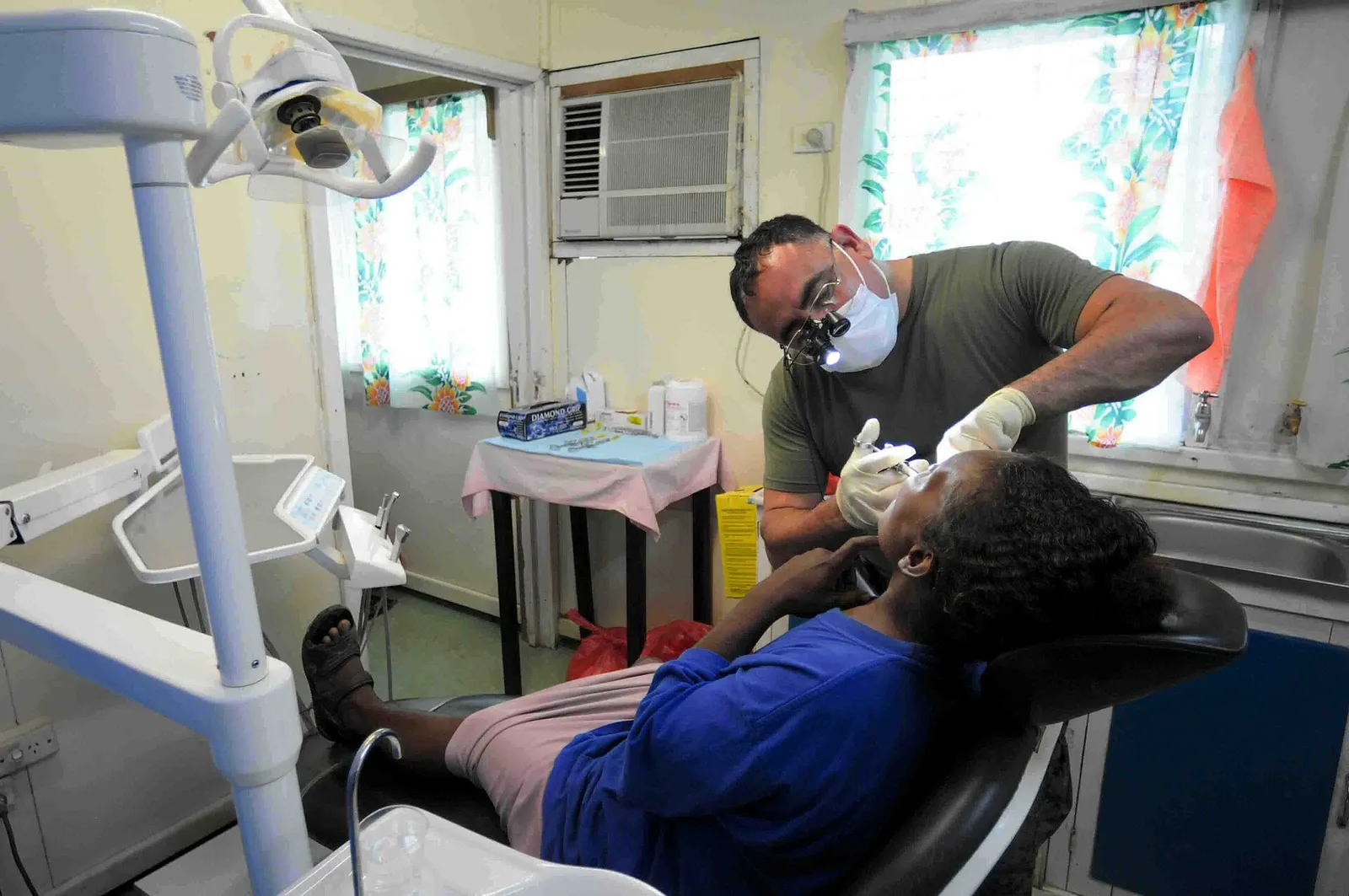
Major dental work. Health insurance and dental insurance are usually separate products — and dental plans typically cap benefits around $1,000–$1,500 a year, as consumer guides note. Against that, a single implant can run several thousand dollars (often $3,000–$6,000 with the crown), and full-mouth work can exceed $20,000. The cap means much of a big job comes out of pocket.
Hearing aids. Often not covered by traditional Medicare or many private plans, and they're not cheap — commonly $4,000–$6,000 a pair. (Lower-cost over-the-counter devices exist, roughly $500–$1,500, with less customization.)
LASIK and elective vision. Routine vision plans cover exams and basic glasses, but LASIK is classed as elective and is rarely covered — typically $2,000–$5,000 per eye, per GoodRx.
Fertility treatment (IVF). Frequently excluded or only partly covered. A single IVF cycle averages around $20,000-plus before medications, and many patients need more than one. State mandates are expanding, but they generally don't apply to "self-funded" employer plans (how a large share of US workers are covered), leaving many to pay themselves.
Why insurance leaves these out
The common thread: insurers treat these as separate categories (dental, vision), elective/cosmetic (LASIK), or not standard medical care (much fertility treatment). That classification — not the size of the need — is what determines coverage, which is why a medically meaningful procedure can still get little or no help.
How to plan and pay — without gimmicks
There's no magic product here, just sound mechanics:
- Use tax-advantaged accounts. An HSA (Health Savings Account) or FSA (Flexible Spending Account) lets you pay with pre-tax dollars, an instant discount equal to your tax rate. Both can cover dental, vision, hearing aids and fertility costs, per IRS rules. HSAs (available with high-deductible plans) roll over year to year and have higher limits — for 2026, on the order of $4,400 for individual coverage; FSAs are smaller and mostly use-it-or-lose-it. An HSA is one of the most tax-efficient accounts in the code: contributions, growth and qualified withdrawals can all be tax-free.
- Save ahead in a dedicated fund. For a planned procedure (implants, IVF, LASIK), set money aside 6–12 months in advance rather than financing it after the fact.
- Ask about cash prices and payment plans. Many providers offer a discount for paying cash or an in-house, interest-free payment plan — ask before you book.
- Get an itemized bill and negotiate. Errors are common, and a meaningful share of people who challenge a bill get it reduced. Hospitals must now post prices, so you can compare.
- Check "medical necessity." Coverage can change if a procedure is deemed medically necessary (for example, certain vision or dental work tied to an injury or condition) — worth asking your plan.
Key terms, plainly
- Deductible: what you pay before insurance starts paying.
- Out-of-pocket maximum: the yearly ceiling on your in-network costs; past it, the plan covers 100%.
- Exclusion: a service your plan flatly doesn't cover.
- HSA/FSA: pre-tax accounts for eligible medical expenses.
The bottom line
The expensive surprises in US health care are often the predictable ones — the categories insurance was never going to cover well. The fix isn't a financing product; it's knowing the gaps, checking your specific policy, and pre-funding with tax-advantaged dollars where you can. For households, treating these costs as a planned line item — not an emergency — is what keeps a $20,000 dental job or an IVF cycle from turning into long-term debt.