The institution that sits at the center of the world's central banks has put a flashing yellow light on the AI boom. In its flagship Annual Economic Report, the Bank for International Settlements (BIS) warned that the enormous sums Big Tech is spending on AI data centers have grown large enough to pose a financial-stability risk, the BIS said and Fortune reported. It's a notable intervention: this is the central banks' own forum cautioning that the AI build-out is a macro story, not just a tech one.
What the BIS said
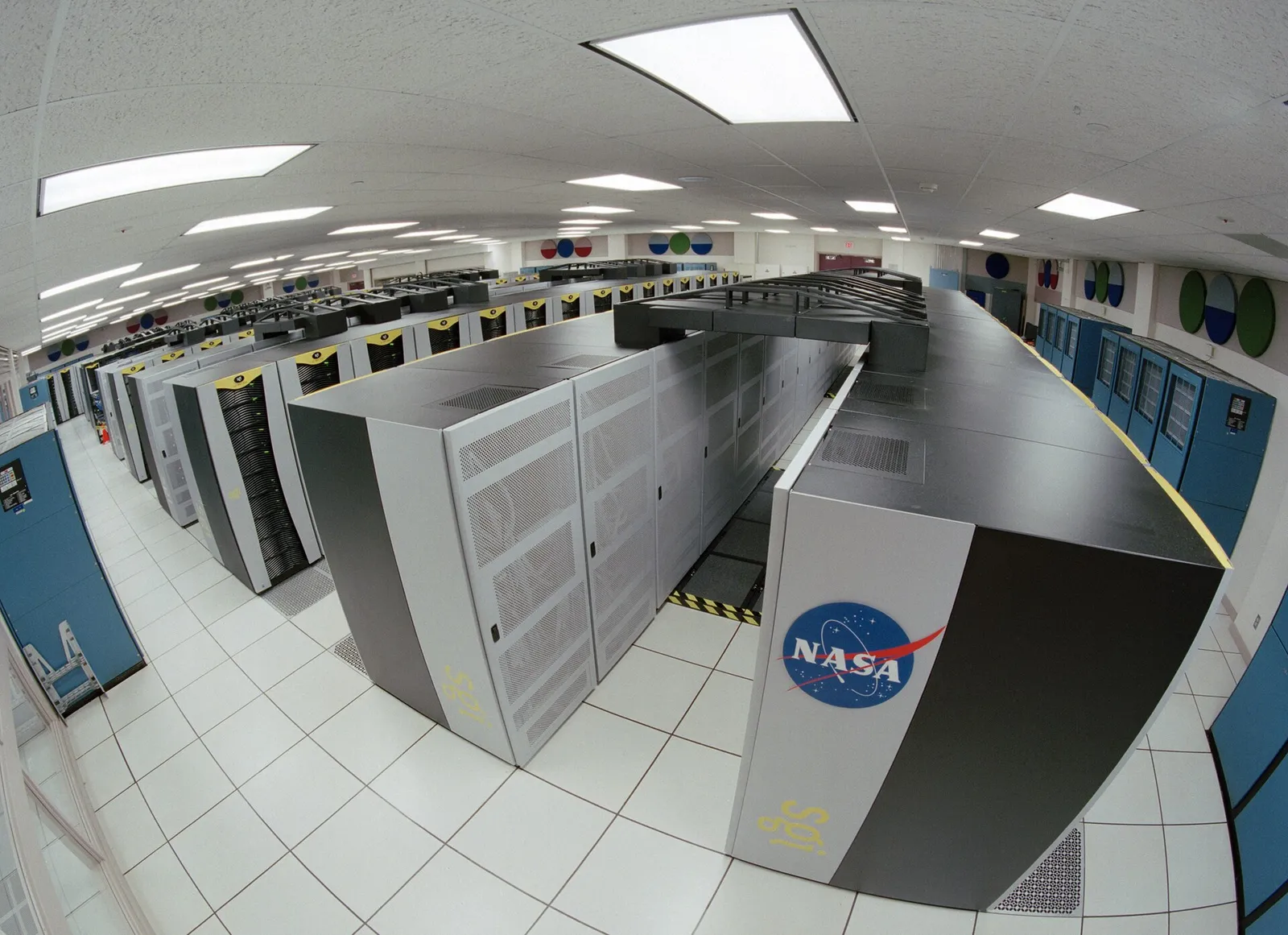
The numbers are the starting point. The five biggest "hyperscalers" — the giant cloud-and-AI spenders, including Alphabet, Amazon, Meta, Microsoft and Oracle — are on track to spend more than $1 trillion on AI-related capital expenditure ("capex") across 2025 and 2026, the report says. Crucially, that spending now exceeds their combined earnings and free cash flow, pushing some to borrow to fund it.
The BIS's worry isn't whether AI is useful. It's about scale and timing: if the productivity and revenue payoff disappoints, the report cautions, "disappointment could trigger a sudden pullback in financing and turn the capex boom into a protracted investment bust" — a reversal that would ripple well beyond Silicon Valley. (The Basel-based BIS is owned by central banks and acts as their bank and forum; its annual report is read closely in finance ministries.)
The hidden plumbing
What makes the BIS nervous is how interconnected the boom has become. It flags a "complex web of private arrangements" — including circular financing, where a cloud provider takes a stake in a chipmaker that, in turn, commits to buying that provider's services or chips. It notes that the construction and engineering firms building the data centers often have weak balance sheets, so a capex slowdown would hit them hard. And it warns that the debt behind the build-out is opaque — assets pledged to multiple lenders, terms poorly disclosed — the kind of hidden leverage that only becomes visible under stress.
Echoes of past manias
To make the point, the BIS reached for history, drawing parallels to railway mania in the 1840s, earlier canal-building booms, and the dot-com crash of 2000 — episodes where firms raced to grab first-mover advantage, overbuilt, and suffered painful reversals when the returns didn't show up on schedule. The comparison isn't a prediction of doom; it's a reminder that transformative technologies and overinvestment have often gone hand in hand.
Not the only worry
The AI capex risk sits alongside the BIS's other perennial concerns: sticky inflation, record-high government debt in rich economies, and stretched asset valuations. The report notes how concentrated markets have become — US equities now make up a large majority of global stock-market value — and that households are more exposed to stocks than in the past, which means a sharp market drop could hit consumer spending harder than before.
Why it matters
Boursel has chronicled the AI-infrastructure gold rush from many angles — Alphabet's soaring capex, chipmakers' and even bitcoin miners' pivot to AI compute. The BIS report reframes all of it through a financial-stability lens: the same spending that's powering the AI era is also building interdependencies and leverage that central banks now feel they must watch. The takeaway isn't that AI will fail. It's that the bill for the build-out is now big enough, and tangled enough, that the people who manage the financial system are telling everyone to pay attention — because if the AI bet sours, the damage wouldn't stay contained to tech.