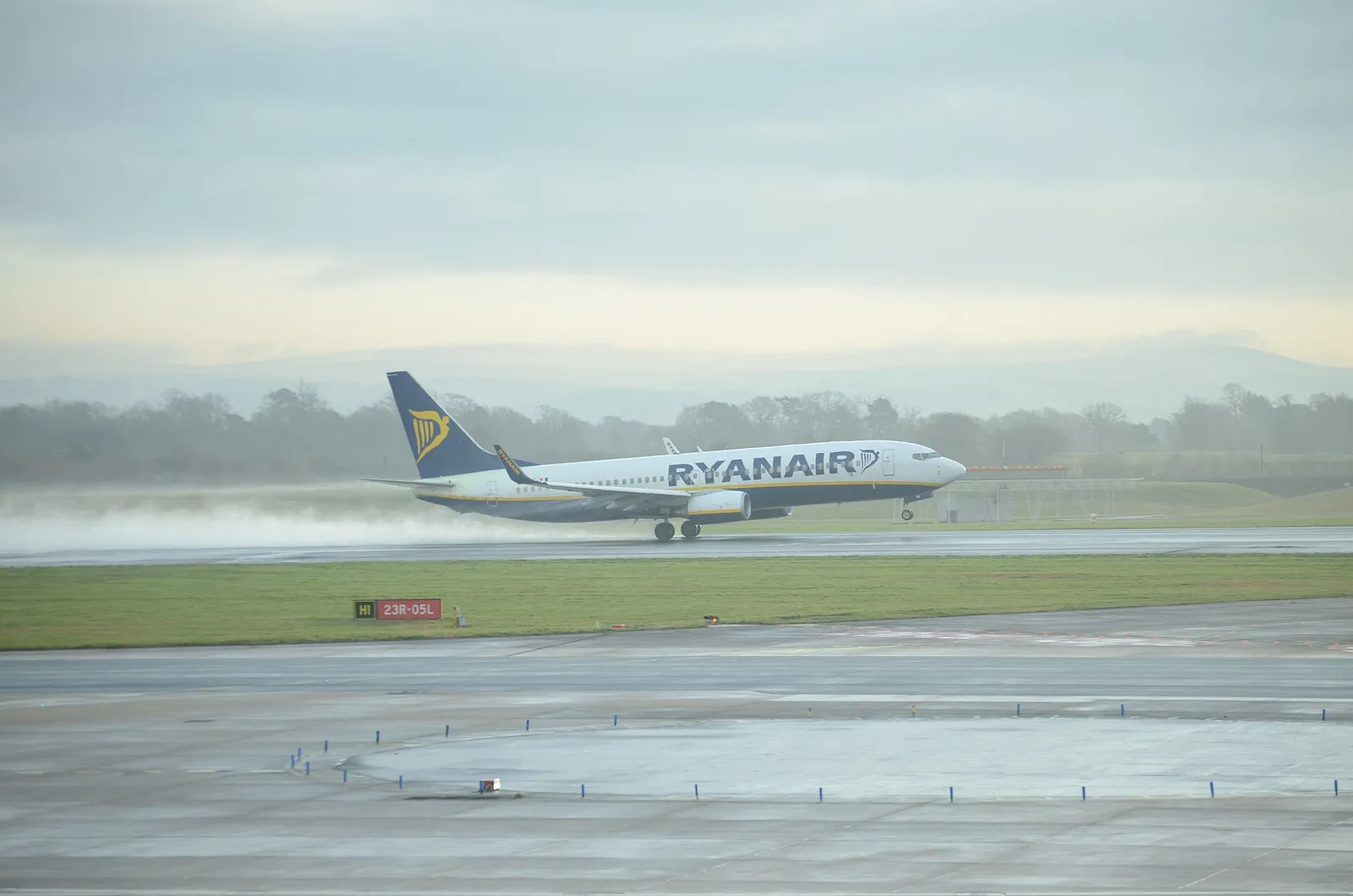
Ryanair is dropping one of its more contentious charges — the fee parents effectively had to pay to sit next to their small children — while making clear it does so under protest.
What's changing
From June 25, Ryanair will assign adjacent seats to parents traveling with children aged 2 to 11 at no extra cost, RTÉ reported. Previously, while the child's seat was free, guaranteeing a parent sat beside them meant buying a reserved seat — typically around £8 (about €9) each way. Under the new approach, families who don't pay for seat selection will be allocated seats together automatically after check-in, with up to four children placed beside one paying adult.
There is a catch: families using the free option are likely to be seated toward the back of the cabin, and Ryanair says adjacent seats aren't guaranteed if space is tight. The airline called the move a "minor policy tweak" that brings it into line with most other EU carriers, while complaining it "responds to the desire of Europe's regulators to stifle innovation," and said the change is revenue-neutral.
Why now: pressure from regulators
The shift comes under pressure on two fronts. In the UK, the Competition and Markets Authority opened an investigation into whether Ryanair's mandatory family-seat fee amounted to unfair "drip pricing" — advertising a low headline fare and then adding compulsory charges before checkout, Euronews reported. Ryanair had dismissed the probe as "bogus."
In the EU, negotiators reached a provisional deal in mid-June on the first major overhaul of air-passenger rights in more than two decades, according to RTÉ. A central element bans airlines from charging extra for parents to sit with children under 14. The text still needs a European Parliament vote, expected in July, with the rules likely to take effect in the second half of 2027. By acting now, Ryanair pre-empts a law that looks all but certain — a common pattern once a regulatory outcome is clear.
What "ancillary fees" are — and why they matter to Ryanair
Ancillary fees are the charges airlines levy beyond the base ticket: seat selection, priority boarding, checked bags, onboard food. For low-cost carriers they aren't a sideline — they are the model. The advertised fare is kept low to win bookings, while add-ons recover costs and generate profit.
The scale is significant. Ryanair's ancillary revenue rose 10% to €4.72 billion in the year to March 2025 — roughly a third of its total revenue, per the airline's results. Seat selection is one component of that pool, though Ryanair doesn't disclose the family-seat fee on its own.
What it means
For families, the practical win is the end of a charge critics argued was unavoidable: a parent of a toddler can't realistically choose to sit apart, so the fee functioned as a surcharge on family travel rather than a genuine optional extra. The limit is the mechanics — free seats are assigned only after check-in, from whatever is left, and tend to be in the least-desirable rows, so families wanting a specific spot will still pay. That, and Ryanair's insistence the change costs it nothing, suggests the upsell incentive largely survives. Once the EU rule is formally adopted, the same protection — extended to children under 14 — will apply across all carriers operating in the bloc, leaving no airline at a competitive disadvantage for having moved first.