Tesla has put a run of bad news behind it, at least for one quarter.
The company delivered 480,126 vehicles in the three months to June 30 and produced 451,758, according to its filing with the U.S. Securities and Exchange Commission. That is up roughly 25% from the 384,122 vehicles Tesla delivered in the same quarter of 2025, as it reported at the time — and it comfortably cleared the analyst consensus of about 406,000 deliveries, a beat of some 74,000 cars.
Why the number matters
For Tesla, quarterly deliveries are the headline statistic investors watch most closely, because they arrive weeks before the full financial results and set the tone for the stock. This time the number was unambiguously strong, reversing a demoralizing trend: Tesla's annual deliveries fell in both 2024 and 2025, sliding to about 1.64 million last year, its first back-to-back declines as a large-scale automaker. A 25% jump breaks that losing streak.
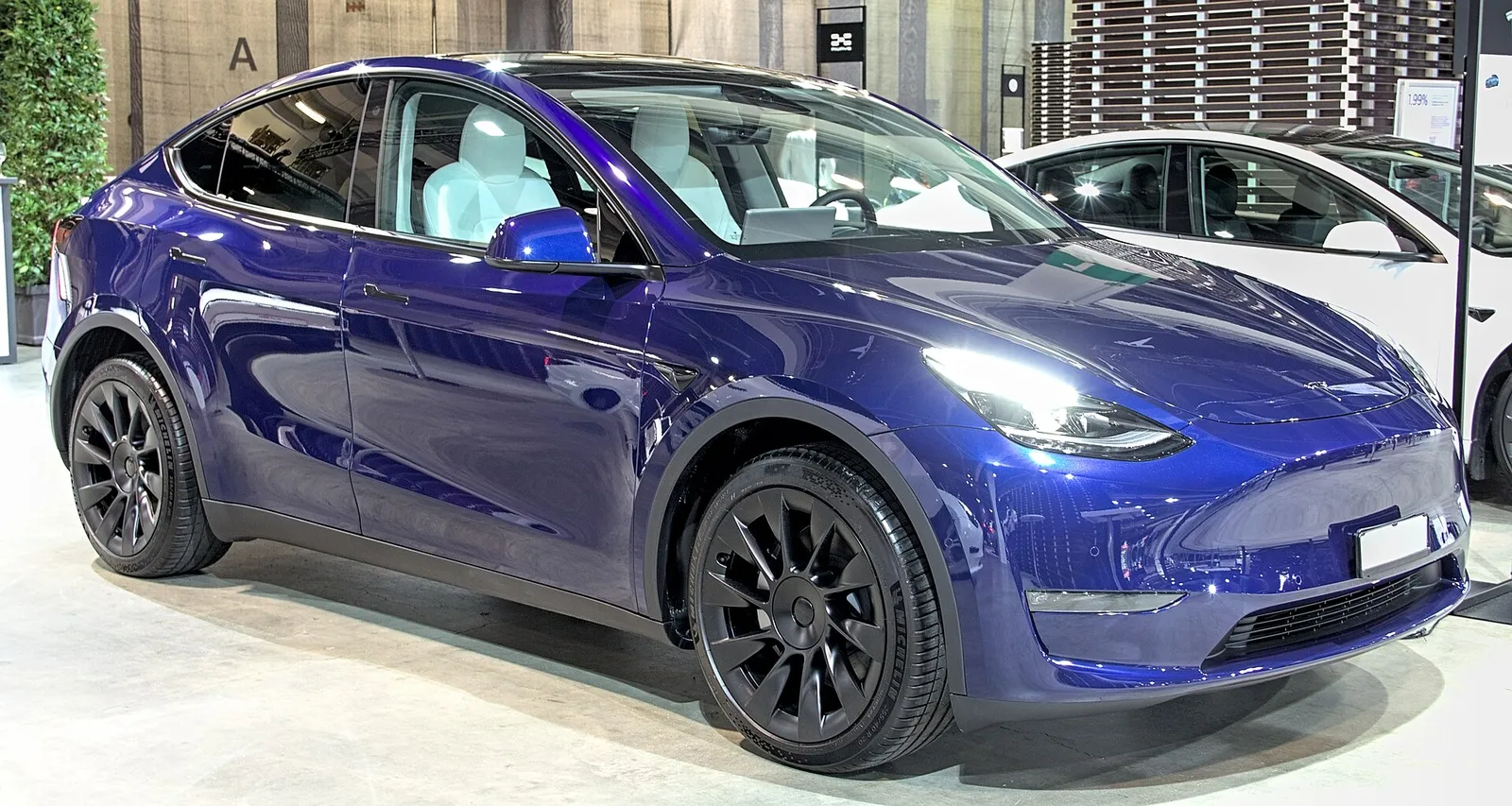
The mix was familiar. The mass-market Model 3 and Model Y did nearly all the work, accounting for 467,762 of the deliveries, with the pricier Model S, Model X and the Cybertruck making up the remaining 12,364. Tesla also deployed 13.5 gigawatt-hours of energy-storage products, a smaller but fast-growing part of its business. (A delivery is a car actually handed to a customer in the quarter; production counts cars built, which can differ as inventory shifts.)
The comparison base helps
Some perspective is warranted. Part of the eye-catching 25% gain reflects how weak the year-ago quarter was: Tesla's sales in mid-2025 were depressed by an aging model lineup, tougher competition and a consumer backlash tied to Chief Executive Elon Musk's political activities. Measuring from a low base makes the rebound look larger. Even so, beating expectations by 18% is a genuine operational result, not just an accounting quirk — demand and output both improved.
The competitive backdrop
Tesla remains under pressure from below. China's BYD has overtaken it as the world's biggest seller of electric vehicles, helped by a broad, lower-priced lineup, and legacy automakers are recalibrating their own EV plans as U.S. demand for battery-only cars softens. Tesla is leaning on newer drivers of growth, including a gradual rollout of robotaxi services in several U.S. cities, though that business is still early and unproven at scale.
Why it matters
For investors, the delivery beat removes — for now — the immediate worry that Tesla's volumes were in structural decline, and it reframes the debate around whether the company can sustain the momentum. For the EV market, Tesla's rebound alongside a soft quarter at rivals like Ford suggests demand is concentrating among a narrower set of popular electric models rather than lifting the whole field. And for Tesla itself, the quarter buys credibility ahead of its July 22 financial report, where margins and the outlook — not just the car count — will be judged. Boursel gives no investment advice; the takeaway is that after two hard years, Tesla delivered its strongest quarterly comparison in some time, though it did so against an unusually low bar.