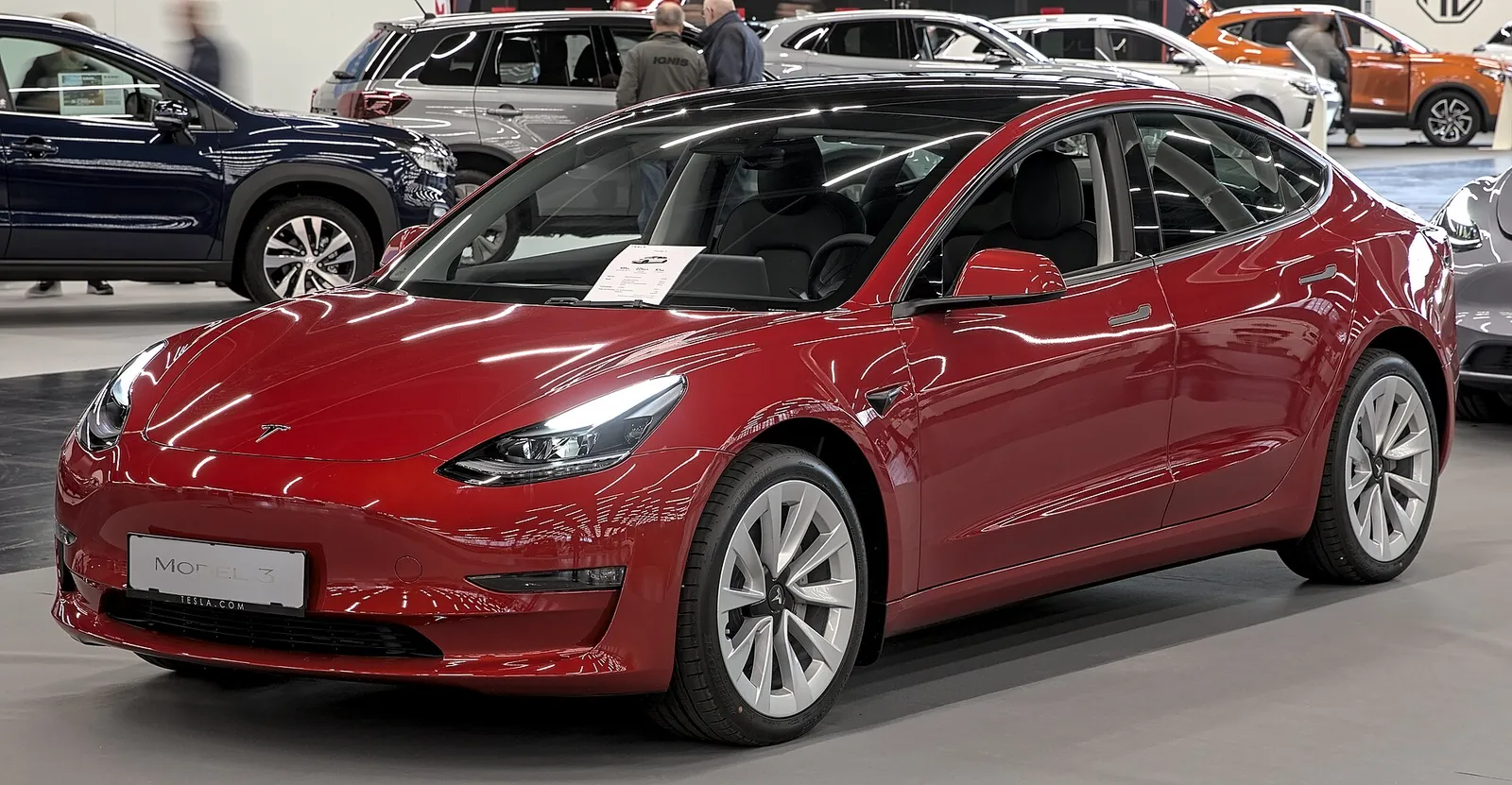
A Tesla Model 3 left a residential street in Katy, Texas, on June 19 and crashed into a home, killing 76-year-old Martha Avila Mantilla, who was inside, according to coverage of the Harris County Sheriff's Office account. The driver, identified in news reports as 44-year-old Michael Butler, told deputies the car was driving itself at the time.
Tesla disputes that. Ashok Elluswamy, the company's head of AI and Autopilot, said vehicle data shows the driver "manually overrode self-driving by pressing the accelerator all the way to 100%" in the residential area, with the Model 3 reaching 73 mph through the impact, Electrek reported. That is a claim by a Tesla executive, not an established finding; the underlying data has not been independently verified.
The family has retained an attorney and signaled a lawsuit may follow, though none had been filed at the time of reporting. "Nothing's been proven yet," a relative told ABC7, urging the public not to jump to conclusions.
What FSD (Supervised) is
Tesla markets the feature as "Full Self-Driving (Supervised)." Despite the name, Tesla states it is a driver-assistance system, not an autonomous one: it requires, in the company's words, "a fully attentive driver who is engaged in the driving task at all times," with hands ready and eyes on the road. Tesla also treats a collision as FSD-involved if the system was active within five seconds before impact, per its own reporting policy, Electrek noted. The central contested question — whether FSD was engaged, and how a manual accelerator input interacted with it — is what investigators must resolve.
Regulatory backdrop
The National Highway Traffic Safety Administration has opened a Special Crash Investigation into the Katy incident and will independently retrieve the event data recorder and onboard logs, separate from Tesla's public interpretation, Electrek reported.
The crash lands amid broader federal scrutiny. In October 2025, NHTSA's defects office opened a preliminary evaluation covering roughly 2.9 million Tesla vehicles equipped with FSD, citing 58 reported events and 23 injuries tied to behaviors such as running red lights and improper lane changes, according to CBS News. That followed an earlier 2024 probe into about 2.4 million Teslas over crashes in low-visibility conditions.
Legal exposure
The case bears on Tesla's autonomy liability at a sensitive moment. In August 2025, a Miami federal jury found Tesla 33% liable in a 2019 Key Largo crash despite driver fault, producing a roughly $243 million judgment that a judge later upheld, Electrek reported. That outcome established that Tesla can be held partly responsible even where a driver erred — context that sharpens the stakes of the override dispute in Texas.
What is documented is sobering and limited: a person is dead, Tesla blames a driver's manual input, the driver says the car was driving itself, and a federal investigator now holds the data that may settle it.